
A pair of GTA post-secondary institutions have joined forces to power the future of the nuclear energy workforce.
Ontario Tech University in Oshawa and Humber Polytechnic in Toronto have partnered to prepare the next generation of talent that will be capable of supporting Canada’s largest and most critical nuclear developments.
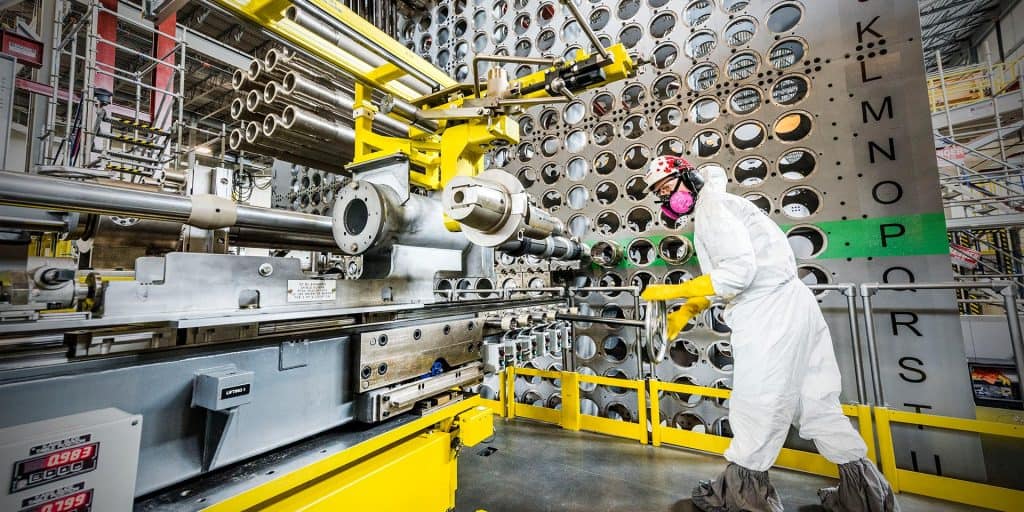
With major nuclear projects happening in Durham Region and in the works in nearby Port Hope, refurbishments on the go in three power plants in the province and Ontario lending its considerable nuclear expertise to facilities around the world, the demand for a highly skilled nuclear workforce to power the clean energy transition is greater than ever, said Ontario Tech President Dr. Steven Murphy.
“By combining Ontario Tech’s nuclear engineering research expertise, reputation for outstanding academic programming, and leading infrastructure with Humber’s trades training capabilities, we’re generating a workforce pipeline to meet the energy needs of tomorrow, while driving job growth, innovation, and international partnerships.”
These collaborative efforts will keep Canada at the forefront of clean energy innovation, he added, while positioning nuclear power as a key pillar of the net-zero future.

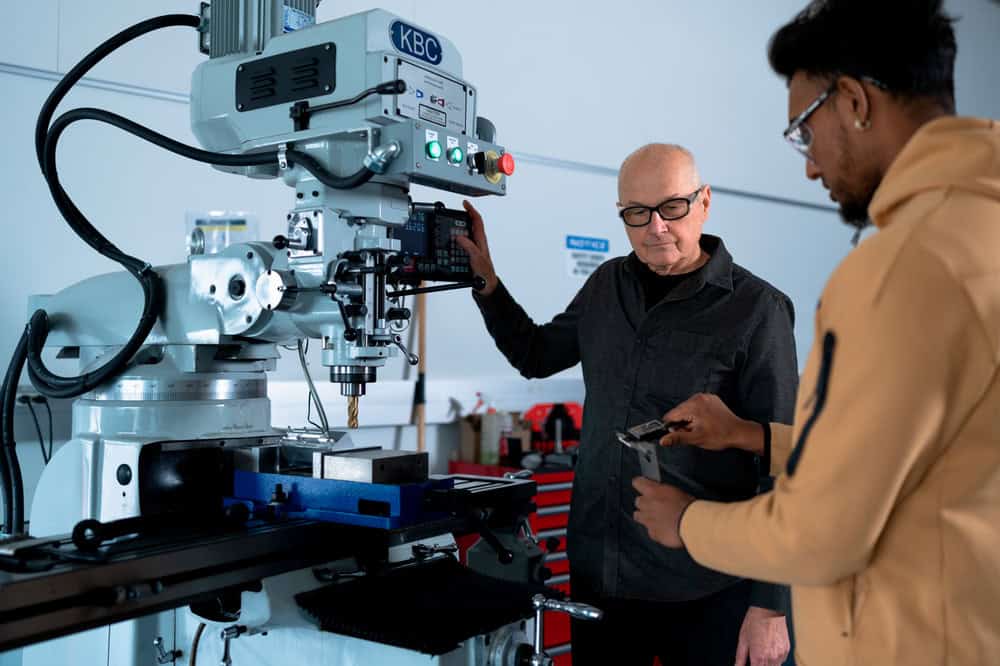
Ontario Tech offers Canada’s only accredited undergraduate Nuclear Engineering degree, ensuring that the workforce is equipped with both advanced technical expertise and hands-on experience. Humber complements this with its expertise in training and applied research and its leadership in delivering clean energy programming that is essential for building, maintaining and expanding the nuclear energy infrastructure supply-chain.
No stranger to innovative partnerships, Ontario Tech was the build and design partner for Canada’s first zero-emissions electric concept vehicle, Project Arrow.
Humber offers more than 40 industry-aligned programs, including eight-semester degree programs in their Faculty of Applied Sciences, as well as training in nuclear-related topics such as microgrid power management, power distribution in electric infrastructure and home energy retrofitting.
“Canada has a legacy in nuclear energy. As the demand for clean, reliable energy continues to rise, the nuclear energy industry is experiencing a period of unprecedented growth and transformation. We recognize that meeting this demand requires a highly trained workforce proficient in nuclear technology, safety protocols, and emerging innovations,” said Humber President Dr. Ann Marie Vaughan. “Humber and Ontario Tech are proud to work together to advance our country’s energy future and lead the advancement of nuclear energy on the global stage. Together, we are shaping the next generation of nuclear professionals.”

Vaughan said Canada has been a global leader in nuclear energy for generations, with a reputation built on safety, sustainability, and innovation.
“As the demand for clean, reliable energy continues to rise, the nuclear industry is experiencing a period of unprecedented growth and transformation. At Humber, we recognize that meeting this demand requires a highly trained workforce proficient in nuclear technology, safety protocols, and emerging innovations such as small modular reactors and advanced nuclear fuels.”
“We are proud to be collaborating with Ontario Tech University to shape the next generation of nuclear professionals,” she said, adding that the partnership will promote cooperation in academic training, teaching and collaborative research.
Other initiatives at Humber include developing modular learning programs for engineers, technicians, and tradespersons; sharing best practices with and from industry partners; assisting in transitional training for power workers to nuclear; and using a ‘train the trainer’ model to enable companies, countries and regions to be self-sufficient in nuclear training.
Murphy noted Canada is “uniquely positioned” to address the growing global demand for clean, reliable power. “With decades of expertise in CANDU reactor technology, recent advancements in small modular reactors, world-class safety and regulatory standards and specialized workforce development programs, Canada has the knowledge and capability to support international energy transitions.”
PollView All
WIN A $100 GIFT CARD
Subscribe to INsauga’s daily email newsletter for a chance to win a $100 Amazon gift card.