
The March break travel season has come to an end, but some Canadians enjoy a vacation during off-peak times.
There are a few deals out there for travellers this spring, but people may want to take note of an insect-borne disease spreading in some tourist countries.
The warning comes on Canada’s Travel Advice and Advisories website. The advisory page helps travellers make informed decisions and travel safely outside the country.
An update for Spain, Italy and Morocco includes an advisory on visceral leishmaniasis. Visceral leishmaniasis, also called kala azar, is a low for most travellers, the advisory states.
The infection spreads through the bite of an infected sandfly. Symptoms can appear weeks or months after infection and may include fever, weight loss, an enlarged liver or spleen, and anaemia. Without treatment, visceral leishmaniasis can be fatal.
There is no vaccine for visceral leishmaniasis, and travellers who believe they have contracted the disease should speak to a health care provider as soon as possible.
Here is more information on countries with advisory updates:
Spain
Risks: Threat of terrorism.
Reasons: There is a threat of terrorism in Europe. Terrorists have carried out attacks in several European cities. In Spain, attacks causing deaths and injuries have taken place. Further attacks in Spain cannot be ruled out. Further attacks elsewhere in Europe are likely.
The Spanish government maintains a public alert system on terrorism and communicates threat level changes online and through local media. The current threat level for Spain is level 4 (“high”) on a scale of 5.
Petty crime, such as pickpocketing and bag snatching, is common, especially in larger cities like Madrid and Barcelona. Thieves often target tourists, particularly during weekends, holidays and festivals.
Thieves work alone or in groups and may use various techniques to distract you and steal your belongings, such as asking for directions or informing you of a stain on your clothes.
Italy
Risks: Threat of terrorism.
Reasons: Terrorists have carried out attacks in several European cities. Terrorist attacks in Italy cannot be ruled out.
Targets could include government buildings, schools, places of worship, airports and other transportation hubs and networks, and public areas such as tourist attractions, restaurants, bars, coffee shops, shopping centres, markets, hotels and other sites frequented by foreigners.
Petty crime, such as pickpocketing and bag snatching, occurs frequently. Thieves often target tourists. Criminals may try to distract you and take your attention away from your valuables or belongings. Be cautious of distraction tactics, including people who spill drinks on you or your belongings, engage you in lengthy conversations, persistently offer to assist you, and attempt to distance you from your personal belongings.
Morocco
Risks: Threat of terrorism.
Reasons: There’s a threat of terrorism, and attacks have targeted foreigners. In December 2018, two Scandinavian tourists were found dead in a mountainous area of southern Morocco, 10 km from Imlil, a village in the High Atlas. Moroccan authorities have described the killing as a terrorist act. Terrorist attacks could occur at any time.
There’s a threat of kidnapping against Westerners in remote regions of Morocco and in areas bordering Algeria and Mauritania.
Petty crime, such as pickpocketing, purse and drive-by snatching, scams and other types of thefts occur, especially in medinas, market areas, parks and beaches.
Türkiye
Risks: Threat of terrorist attacks and the possibility of demonstrations throughout the country.
Reasons: There is ongoing military activity in the region. Missiles, drones and other projectiles could strike targets in the region. There could be disruptions to air traffic, including flight cancellations and airspace closures.
Despite counter-terrorism operations conducted by Turkish and Iraqi security forces, a risk of terrorism subsists at the border between Türkiye and Iraq. Violent attacks on sites held by terrorist groups or against Turkish and Iraqi security forces have occurred. Extremist groups have carried out attacks at border crossings and other locations in Syria and Iraq close to the Turkish border.
Demonstrations may occur. Large-scale demonstrations may result in heightened police presence, road closures, and public transportation and traffic disruptions. They could turn violent at any time.
Netherlands
Risks: Threat of terrorism.
Reasons: Terrorists have carried out attacks in several European cities. Attacks in the Netherlands cannot be ruled out. Further attacks elsewhere in Europe are likely.
The Dutch government maintains a public alert system on terrorism. The current threat level for the Netherlands is level 4 (“substantial”) on a scale of 5.
Petty crime, such as pickpocketing and bag snatching, occurs, particularly in larger cities.
Organized groups of pickpockets often use distracting techniques. Typically, a member of the group will distract someone by spilling something on them or by asking for directions, while others rob the victim.
Individuals posing as plain-clothes police officers have also approached foreigners to verify their documents or foreign currency with the intent to rob them. In a similar situation, politely decline to cooperate or offer to go to the nearest police station.
For a complete list of advisories and additional information, see the federal website here.
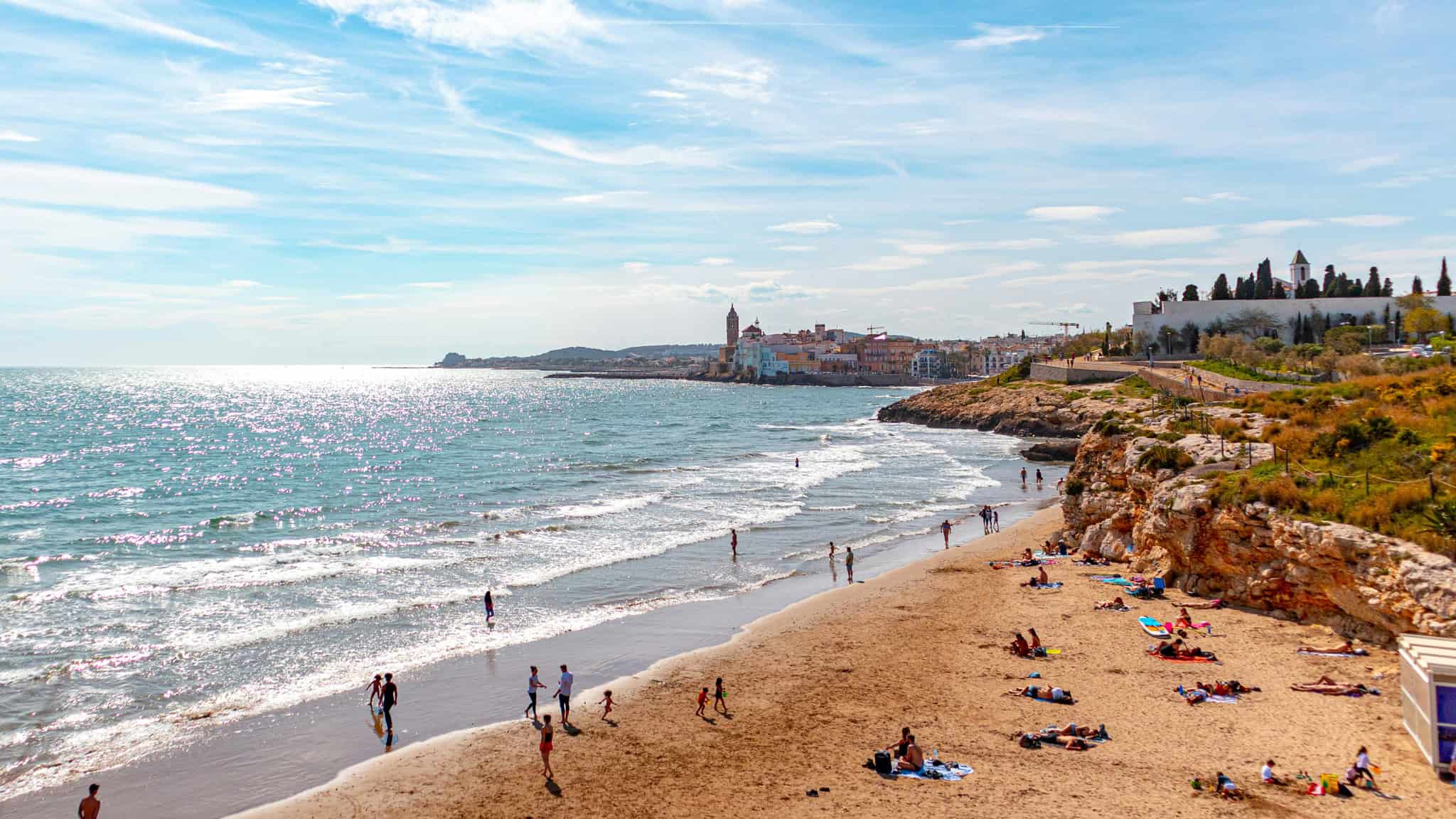
Lead photo of Sitges, Spain: chan lee
INsauga's Editorial Standards and PoliciesPollView All
WIN A $100 GIFT CARD
Subscribe to INsauga’s daily email newsletter for a chance to win a $100 Amazon gift card.