
The busy summer travel season is nearly here, and those planning a trip may want to check out Canada’s travel advisories.
Travel may be more expensive with rising fuel prices as the standoff at the Strait of Hormuz between the U.S. and Iran continues.
There are also concerns about jet fuel shortages. The head of the International Energy Agency, Fatih Birol, told AP news agency that Europe has about six weeks of jet fuel left and there could be flight cancellations soon.
Those who manage to get away in the coming months may want to check out the latest travel advisories.
Canada’s Travel Advice and Advisories help travellers make informed decisions and travel safely outside the country.
The federal government analyzes trends and incidents affecting international travellers, monitors global events and collects updated reports from various sources.
Here are five popular destinations with advisory updates:
Dominican Republic
Risks: Crime
Reasons: Crime, including violent crime, occurs across the country, especially in major cities.
The police are often unable to respond quickly to calls for assistance, especially outside of resort and tourist areas.
Petty crime, including pickpocketing and bag-snatching, occurs frequently. Tourists are common targets for theft.
Crime of opportunity is common. Thieves may try to snatch visible money, valuables, or grab your phone from your hands. Crime tends to rise during holiday periods.
Credit and debit card, as well as ATM fraud, occur frequently. Card reader tampering, also known as skimming, is a common scam. Businesses could try to save your credit or debit card information when you make a legitimate purchase through a compromised card reader. Be cautious when using debit or credit cards.
Colombia
Risks: High levels of crime, yellow fever
Reasons: There has been an increase in deaths related to online dating applications used by criminals to identify and lure foreigners looking to meet people in Colombia. Incidents occur most frequently in larger cities.
Online dating applications are often used by criminals to identify and lure foreigners travelling alone and looking to meet local people. Victims often build virtual relationships and attend multiple dates with the same person, often in public places. Once trust is established, the victim is drugged with scopolamine or another incapacitating drug and is robbed and/or kidnapped. Drugging of victims has led to overdose and death.
Colombia is reporting higher than expected numbers of yellow fever. Yellow fever is a disease caused by a virus that can spread to humans by the bite of an infected mosquito. Illness can range from a fever with aches to severe liver disease with bleeding and yellowing of the skin and eyes.
Travellers should protect themselves from mosquito bites at all times. A vaccine to prevent yellow fever infection is approved in Canada.
Jamaica
Risks: High level of violent crime, particularly outside tourist areas.
Reasons: Violent crime, including armed robbery and murder, has decreased in recent years but is still an issue in large cities, including parts of Kingston and Montego Bay. Police are present in locations popular with tourists, including resorts. Although violent crime rates are lower in these areas, incidents of assault and robbery occur.
Certain areas of Kingston, Montego Bay, St. Catherine and the town of May Pen have a significant gang population and high incidences of violent crime.
If you’re threatened by robbers, do not resist and hand over your cash and valuables. Resistance may result in robbers using violence.
Tourists have been targets of lottery scams. Scammers convince targets that they have won a prize or the lottery but must pay a fee to claim their winnings.
Madagascar
Risks: High crime rate and the potential for political instability.
Reasons: Petty crime, such as pickpocketing and purse snatching, is common throughout the country. Be particularly vigilant in areas frequented by tourists in Antananarivo.
There are reports of violent crime across all regions of Madagascar. Armed gangs are known to commit home invasions, carjackings, robberies, and kidnappings. Foreigners have been targeted in urban areas as well as in rural and isolated areas. Theft from vehicles occurs frequently. Thieves target cars stuck in traffic for smash-and-grab robberies.
There have been reports of attacks and robberies by persons representing themselves as “guides”, particularly on beaches and in coastal tourist areas.
Demonstrations are frequent in Madagascar. Violent clashes between demonstrators and police have occurred.
Brazil
Risks: High crime rates and regular incidents of gang-related and other violence in urban areas.
Reasons: Tourists are mostly affected by theft, but could also become victims of violent crime.
Robberies occur regularly and often involve weapons such as guns and knives. Thieves generally target people who appear wealthy, such as those using cell phones and laptops.
Drive-by snatching by armed thieves on motorcycles occurs regularly, particularly in São Paulo and Porto Alegre.
Mass robberies “arrastões” involve a group of criminals that swarm public places and snatch valuable items such as cash, jewellery and cell phones.
For a complete list of advisories and additional information, see the federal website here.
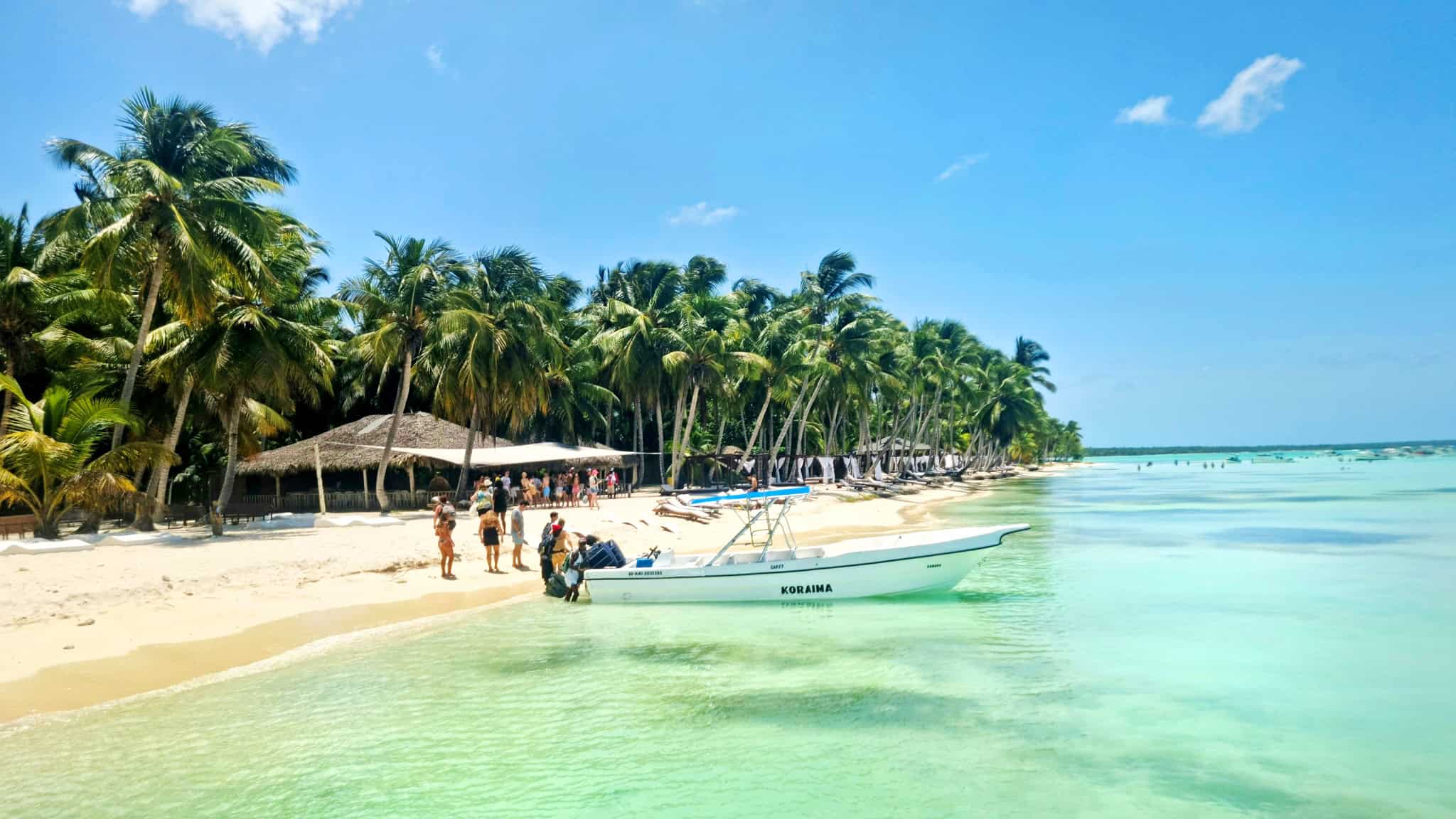
Lead photo of Saona Island, Dominican Republic: Kevin Foster
INsauga's Editorial Standards and PoliciesPollView All
WIN A $100 GIFT CARD
Subscribe to INsauga’s daily email newsletter for a chance to win a $100 Amazon gift card.