
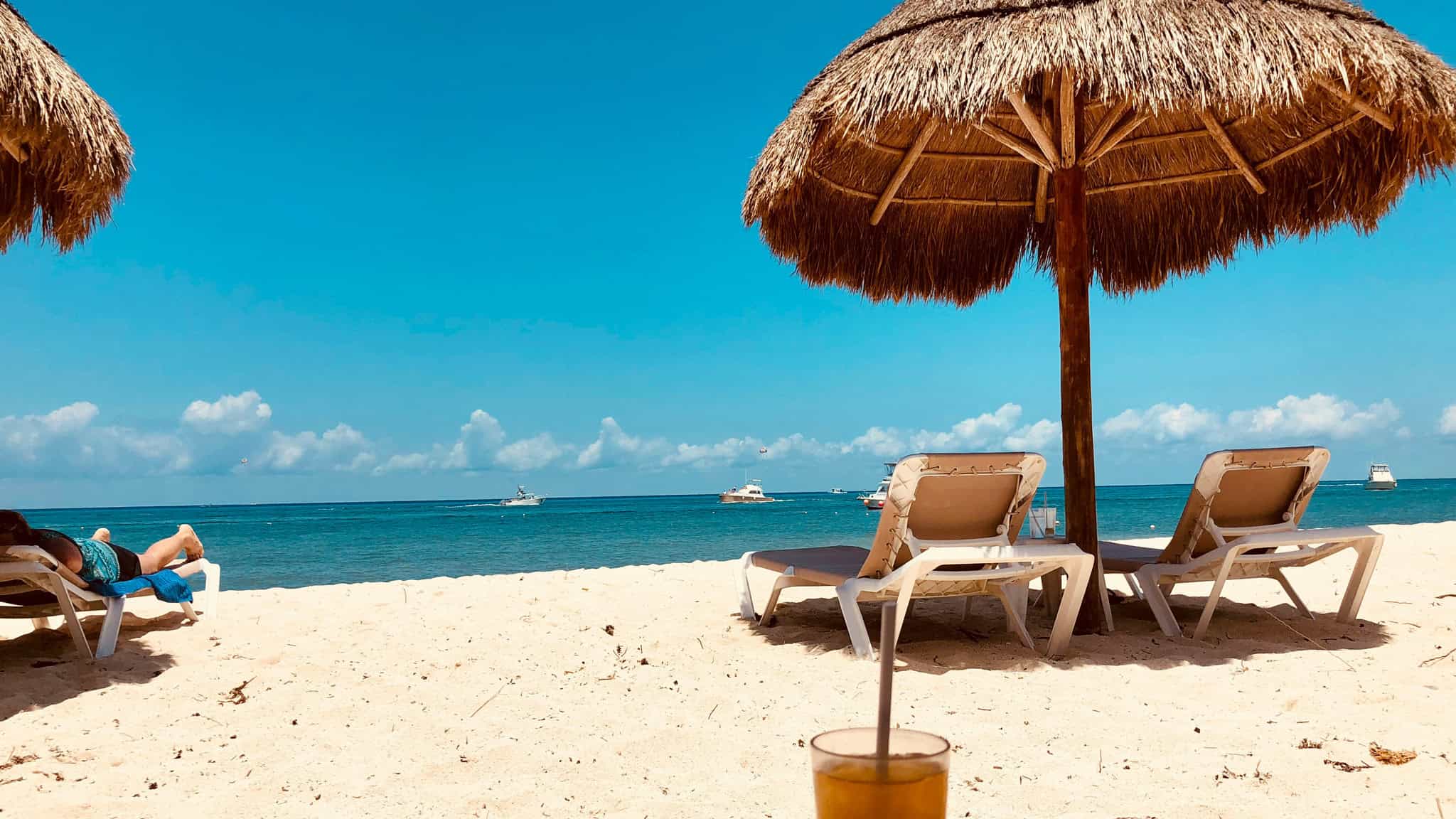
Winter weather has arrived in Ontario and many people will be dreaming of a tropical beach vacation.
It feels like it could be a long winter as the snow started early this year and parts of Ontario could get up to 60 cm of snow today and tomorrow. Long-range forecasts suggest a cold winter in most of Canada.
Those thinking of a winter escape may want to check out the latest advisories.
Canada’s Travel Advice and Advisories website page helps travellers make informed decisions and travel safely outside the country.
They analyze trends and incidents affecting international travellers, monitor world events and collect updated reports from different sources.
Here are five countries with advisories:
Costa Rica
Risks: Crime.
Reasons: Crime against property, such as house burglary, theft from cars, and vehicle theft, is frequent. Passport theft is also extremely common and increases in frequency during the peak tourist seasons, from November to May and from July to August.
Thieves often work in teams, in which one thief diverts the victims’ attention while the other snatches their possessions.
When leaving your vehicle, always manually check that the doors are locked since “key jammers” could be used to interrupt signals from key fobs, preventing car doors from locking.
Outdoor activities, such as white-water rafting, scuba diving, bungee jumping, canopy touring and other adventure sports can be dangerous if unprepared. Trails are rarely marked, and weather conditions can change rapidly, even in summer.
Jamaica
Risks: High level of violent crime, particularly outside tourist areas.
Reasons: Jamaica’s advisory was updated recently. After Hurricane Melissa, tourism was halted for the entire country, but travellers are now advised to avoid non-essential travel to certain regions that were hardest hit, including Westmoreland, Manchester, St. Catherine, St Elizabeth, excluding Treasure Beach, and St. James, excluding Montego Bay.
Crime tends to be concentrated within what the police refer to as “traditional hot spots” or “high-risk communities”. The availability of firearms is widespread, and most violent drug- and gang-related crimes, especially murder, involve firearms.
Certain urban areas of Kingston, Montego Bay, St. Catherine, and the town of May Pen have a significant gang population and high incidences of violent crime.
Brazil
Risks: High crime rates and regular incidents of gang-related and other violence in urban areas.
Reasons: Crime rates are high throughout the country, particularly in Belém, Fortaleza, Manaus, Recife, Rio de Janeiro, Salvador and São Paulo. Tourists are mostly affected by theft, but incidents of violent crime also occur.
Robberies occur regularly and often involve weapons such as guns and knives. Thieves generally target people who appear wealthy, such as those using cell phones and laptops.
Robberies can occur anywhere, including in all touristic areas in Rio de Janeiro (such as Lapa, Santa Teresa and Copacabana beach). Exercise caution in crowded areas.
Drive-by snatching by armed thieves on motorcycles occurs regularly, particularly in São Paulo and Porto Alegre.
Mexico
Risks: High levels of criminal activity and kidnapping.
Reasons: Petty crime, such as pickpocketing and purse snatching, is common in Mexico. Remain vigilant in airports, bus stations, buses and the Mexico City metro system, the advisory suggested.
Mexican authorities have made efforts to protect major tourist destinations, resulting in lower levels of gang-related violence in these areas. However, incidents of violent crime still occur in major cities, popular tourist areas and resorts.
Disputes over timeshare arrangements occur. Timeshare sales representatives may be very persistent and often use pressure tactics to make a sale. Members of criminal groups often pose as real estate representatives offering to buy your property for large amounts for use as a timeshare. They may never pay for the property or charge high administrative fees.
Belize
Risks: High levels of violent crime throughout the country.
Reasons: Gang violence is a significant concern in Belize, especially in Southside Belize City. Gang members often use weapons to resolve disputes. Clashes occur frequently between gangs to gain control over territories for illegal activities.
Police capacity to respond to violent incidents is limited, and many crimes remain unsolved. Tourists are not usually targeted, but you could be in the wrong place at the wrong time.
Never leave your food or drinks unattended or in the care of strangers. Avoid accepting snacks, beverages, gum or cigarettes from new acquaintances, as these items may contain drugs that could put you at risk of sexual assault and robbery.
Belize has an updated advisory on dengue as one of many countries reporting higher than expected numbers of cases. Mexico, Cuba and Guatemala are also reporting more cases than expected.
Dengue is a disease caused by a virus that can spread to humans by the bite of an infected mosquito. Symptoms can range from none or mild, to severe or even fatal illness. If you have had a previous dengue infection, you may be at higher risk of severe disease.
In Canada, there is no vaccine available to prevent dengue. A vaccine is available to travellers in some countries outside of Canada. Travellers to areas with a risk of dengue should prevent mosquito bites at all times.
For a complete list of advisories and additional information, see the federal website here.
Lead photo of Cozumel, Mexico: The Travel Nook
INsauga's Editorial Standards and PoliciesPollView All
WIN A $100 GIFT CARD
Subscribe to INsauga’s daily email newsletter for a chance to win a $100 Amazon gift card.