
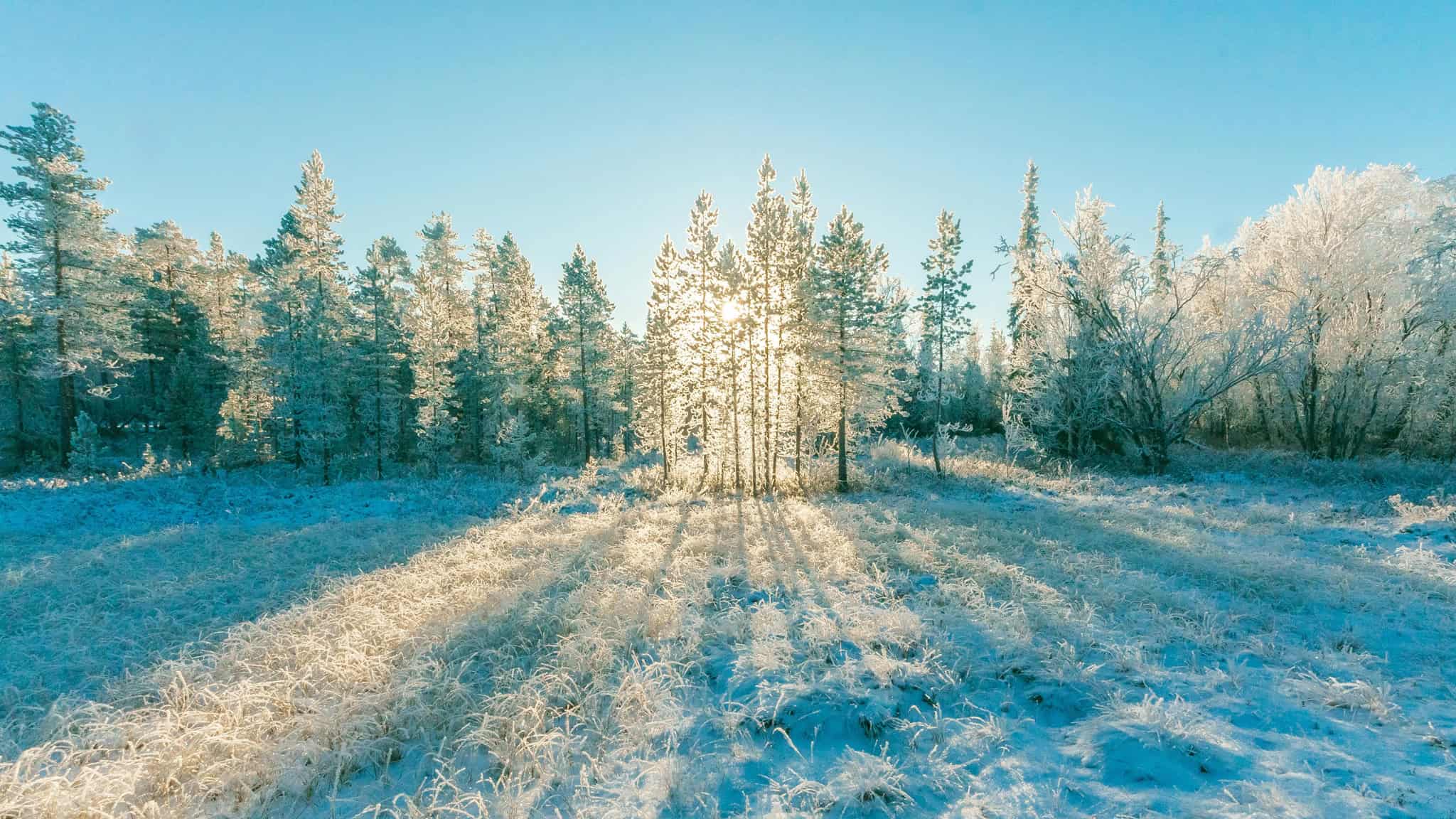
What will winter be like in southern Ontario this year? When will we get our first snowfall?
One part of southern Ontario got a light dusting of snow today — but other parts of the province will likely have to wait a few weeks.
While it’s too soon to say with 100 per cent certainty, forecasters can come up with general outlooks for the winter season.
Environment and Climate Change Canada has a provisional seasonal outlook for the winter season out today, said climatologist David Phillips. Phillips, now officially retired, still provides commentary and analysis.
So far, the outlook for this winter is looking much like last winter, Phillips said. That is average, seasonable temperatures in the Great Lakes area, he said.
“Right now, if we look at southern Ontario for the months of December, January and February, what is showing is warmer than normal, milder than normal,” Phillips told INsauga.com. “It shows normal to a little cooler than normal out west, which is what you’d expect with La Niña.”
Phillips added that this doesn’t mean there won’t be “bone-chilling cold days.”
“This is telling you the nature, the character, of what the winter is going to be,” he said.
Phillips suggested we might see a lot of freezing and thawing in southern Ontario, which can wreak havoc on the roads and increase the size of potholes.
“It might be a pothole kind of a winter.”
First snow in the Greater Toronto Area
As for the first snowfall in the GTA, it could be around mid-November.
The first snowfall for the season last year in Toronto was on Nov. 28, but it was a light dusting and melted quickly.
“Typically, we get our first kind of dusting of snow, our first kind of flurries in the air to little snow on the ground, what we call a trace of snow by Remembrance Day,” Phillips said.
Heavier snow likely won’t arrive until December, with snow staying put sometime in January.

El Niño and La Niña patterns
Climatologists look to ocean temperatures and El Niño and La Niña patterns for seasonal outlooks, he said.
“The atmosphere gets its trigger from the oceans,” Phillips said. “I mean, let’s face it, more than two-thirds of the planet is ocean. And, there is a dance that goes on between the oceans and the atmosphere. When the oceans are warm, they try to warm the air above them.”
El Niño is the warm phase, characterized by warmer-than-average sea surface temperatures in the tropical, Pacific Ocean, and weaker trade winds, while La Niña is the cool phase, with cooler-than-average ocean temperatures and stronger trade winds.
Climatologists have looked a weather patterns based on the El Niño and La Niña phases for the last 70 years or so, said Phillips.
An El Niño year typically brings warmer and drier conditions with less snow in Ontario. The 2023/2024 winter was El Niño with warmer-than-normal temperatures and 60 per cent of the normal snowfall.
A La Niña year typically brings colder, snowier weather to Western Canada, but in the Great Lakes area, it tends to be average, Phillips said.
Last year, 2024/25, was a weak La Niña winter, which went from cooler than normal to neutral. In Toronto, there was 18 per cent more snow than we normally would get.
In the southern U.S., a La Niña year tends to be milder than normal with fewer storms, less precipitation and sunnier.
“So ideal kind of holidaying or vacationing kind of weather for people along the southern tier of the United States,” Phillips said.
The blob and other climate factors
This year is looking to be a La Niña winter, but there are a couple of other factors that might throw a wrench in these predictions.
In the Pacific coast, between Japan and Vancouver, there is now what’s known as a blob. A blob is a kind of heatwave bringing warmer-than-normal sea surface temperatures to that area.
“I know it sounds like a Hollywood disaster flick, La Niña fighting it out with the blob,” Phillips joked.
The blob has a big impact on marine life, but it could also influence weather patterns, he added.
Another factor is climate change, which has changed Canada’s temperatures over the last 78 years.
“Winters are not what they used to be,” Phillips said. “Canada’s winters are now about three, almost four degrees warmer, and Ontario is about 2.5 degrees warmer than it used to be.”
Patterns used to be easier to read.
“La Niña used to be the blueprint for telling you how the winter was going to be, but it’s kind of mixed-up now,” he said.
Lead photo: Margerretta
PollView All
WIN A $100 GIFT CARD
Subscribe to INsauga’s daily email newsletter for a chance to win a $100 Amazon gift card.