
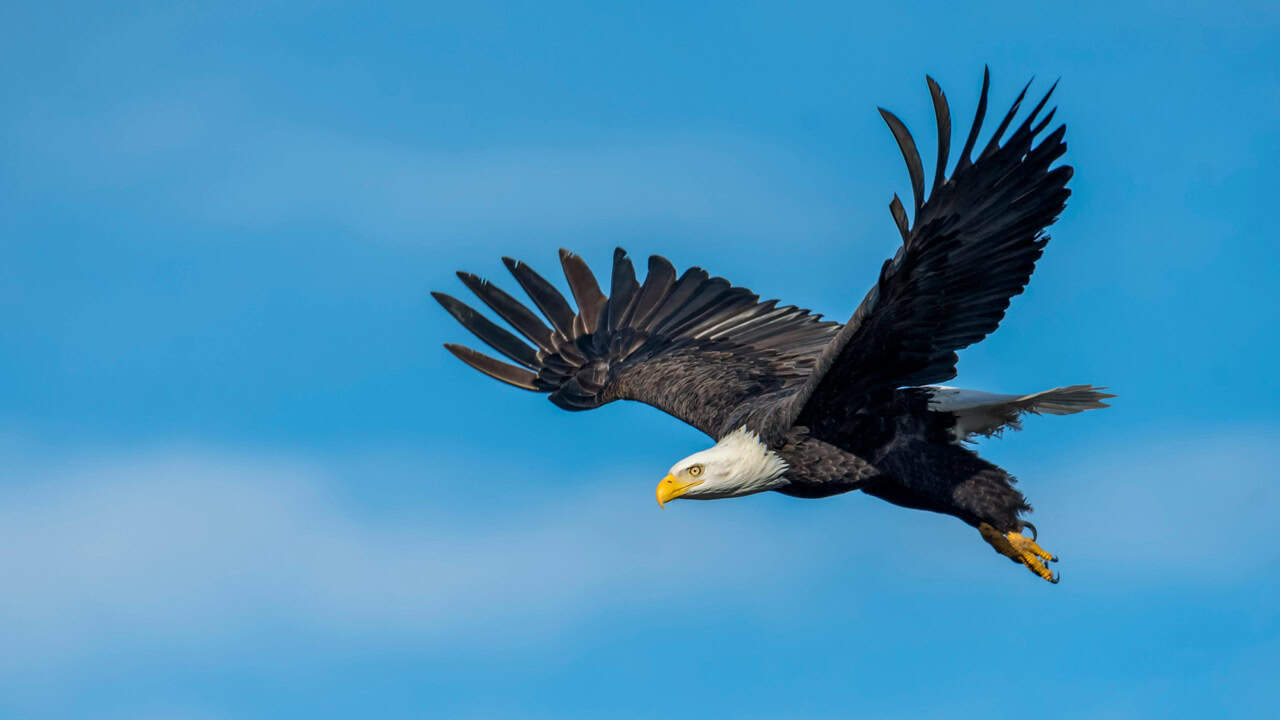
As it winds through Mississauga, Brampton, Caledon, Halton Hills and Orangeville, the Credit River Watershed offers an abundance of wildlife for animal and nature lovers to enjoy.
The news gets better for people in search of a peek or two at several creatures that don’t make their presence known in these parts all that often — Credit Valley Conservation, which works to protect, restore and enhance the watershed area, says four species rare to the area are making a comeback.
“We are thrilled to share that over the past few years our staff have either spotted or received reports of four species in the Credit River Watershed that had no previously confirmed records of presence or breeding,” CVC officials said in their latest online newsletter/update. “The species we believe are making a comeback are: fisher, river otter, bald eagle and Atlantic salmon.”
Fisher
The fisher, a member of the weasel or mustelid family, is often mistaken, conservation authority officials say, for its more common family counterparts spotted across the watershed: the American mink, short-tailed weasel and, more recently, the river otter.
“The secretive and solitary hunting nature of fishers makes them difficult to see. They are most active at dawn, dusk and night during the summer and more active during the day in winter to hunt,” CVC said. “Fishers avoid people and large animals, making them difficult to spot. They prefer forested areas and use forest edges, avoiding open habitats.”
CVC believes the decline in fishers across the watershed was due to the loss and degradation of forest habitats. In the past, they were also known to be hunted and trapped for their valuable brownish black fur, the conservation authority noted.
However, CVC said it has received reports dating back to 2019 that fishers have returned to the area in possibly greater numbers.

Fisher
River otter
Similar in appearance to the fisher is the river otter, also a member of the weasel/mustelid family.
“River otters are known for their playful nature and adorable appearance. They are dark brown with lighter brown bellies and faces,” CVC said. “Their streamlined bodies, short legs, webbed feet and dense water-repellent fur make them excellent swimmers.”
River otters prefer a solitary lifestyle and are well adapted for semi-aquatic living, inhabiting and travelling across much of Canada and the United States, conservation officials said.
The biggest threat to river otters continues to be humans, CVC officials said.
“Over-harvesting for their sleek fur and water pollution led to a significant decline in their populations throughout the late 1800s and decades beyond that time.”
Through conservation management and reintroduction efforts, their populations are now considered stable or increasing, CVC added, noting trail cameras have captured images of river otters in the watershed.
Additionally, river otter tracks were found in winter 2020 and there have been confirmed sightings both in the watershed and other areas along the Lake Ontario shoreline, officials noted.
While they cannot say for certain why the creatures have returned, CVC officials suspect one reason may be results of the late 1990s reintroduction of river otters to western New York.
Improved water quality may also have played a role, the conservation authority said.
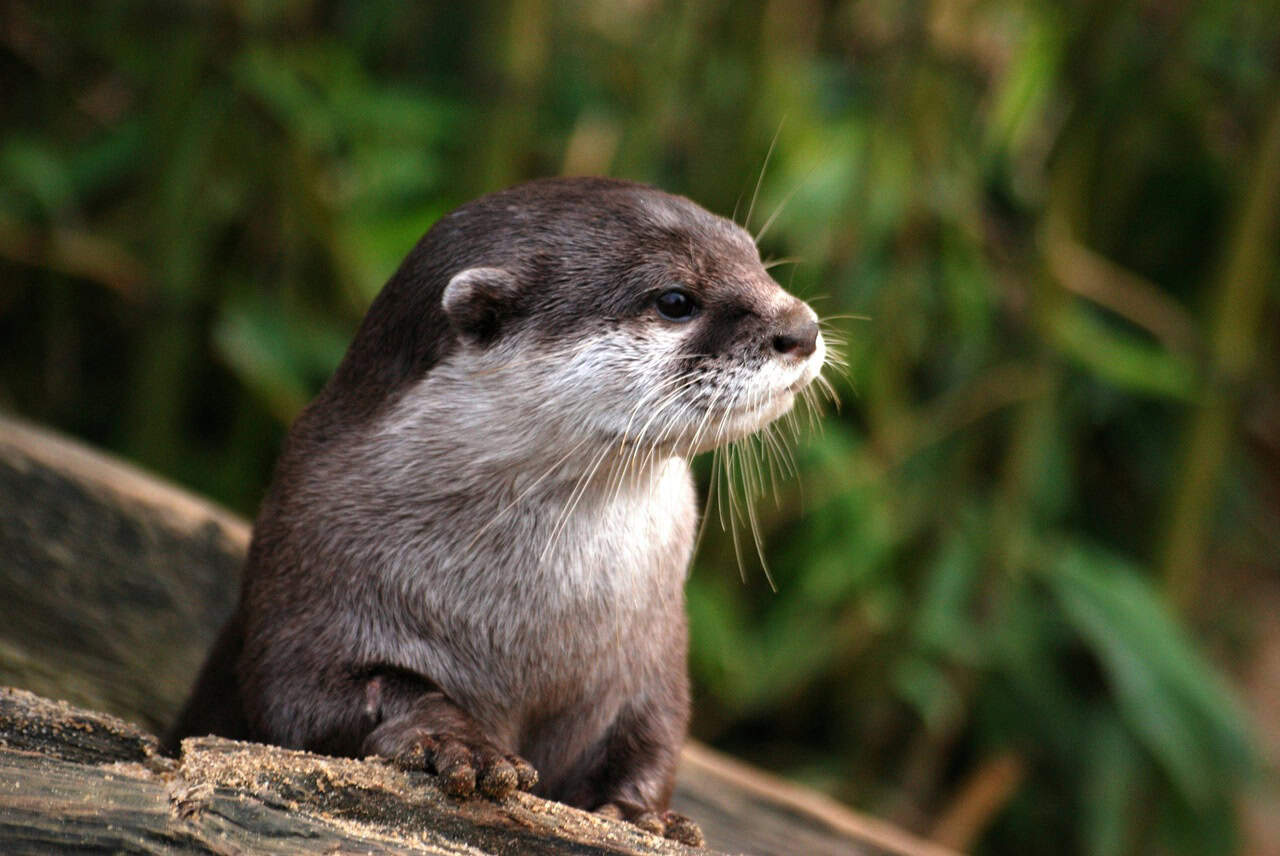
River otter
Bald eagle
The bald eagle (see story’s cover photo), widely known for both its majestic appearance and intimidating demeanour, is one of the largest birds in North America, CVC officials point out, and they can live to be more than 30 years old.
“Despite their name, bald eagles are not bald. Instead, their white-feathered heads shine in contrast to their dark-brown body and wings,” CVC said of the iconic bird that’s become synonymous with the United States.
Bald eagles can be found throughout most of North America, according to the local conservation authority, and within the Credit River Watershed they are most often sighted near Lake Ontario or the Credit River because of their affinity for water.
Some bald eagles stay in the same general area for the entire year while others are migratory, CVC said, adding September and October are the best time of year to spot migratory bald eagles in southern Ontario.
“As we do not monitor bald eagles specifically, we do not have formal data on their whereabouts in the Credit River Watershed,” CVC said. “However, nesting has been documented recently close to Port Credit and also confirmed in Hamilton, Toronto, Oakville and several other locations around the Greater Toronto Area.”
The conservation authority noted actions that may have increased the local population of bald eagles include:
- the banning in Canada in 1985 of the pesticide DDT
- habitat restoration and improved water quality
- protection of greenspaces, forests and wetlands
- protection under the Endangered Species Act in Ontario
“Populations increased and stayed stable from these conservation efforts to a point that they were removed from the Ontario Endangered Species Act in 2023,” CVC said.
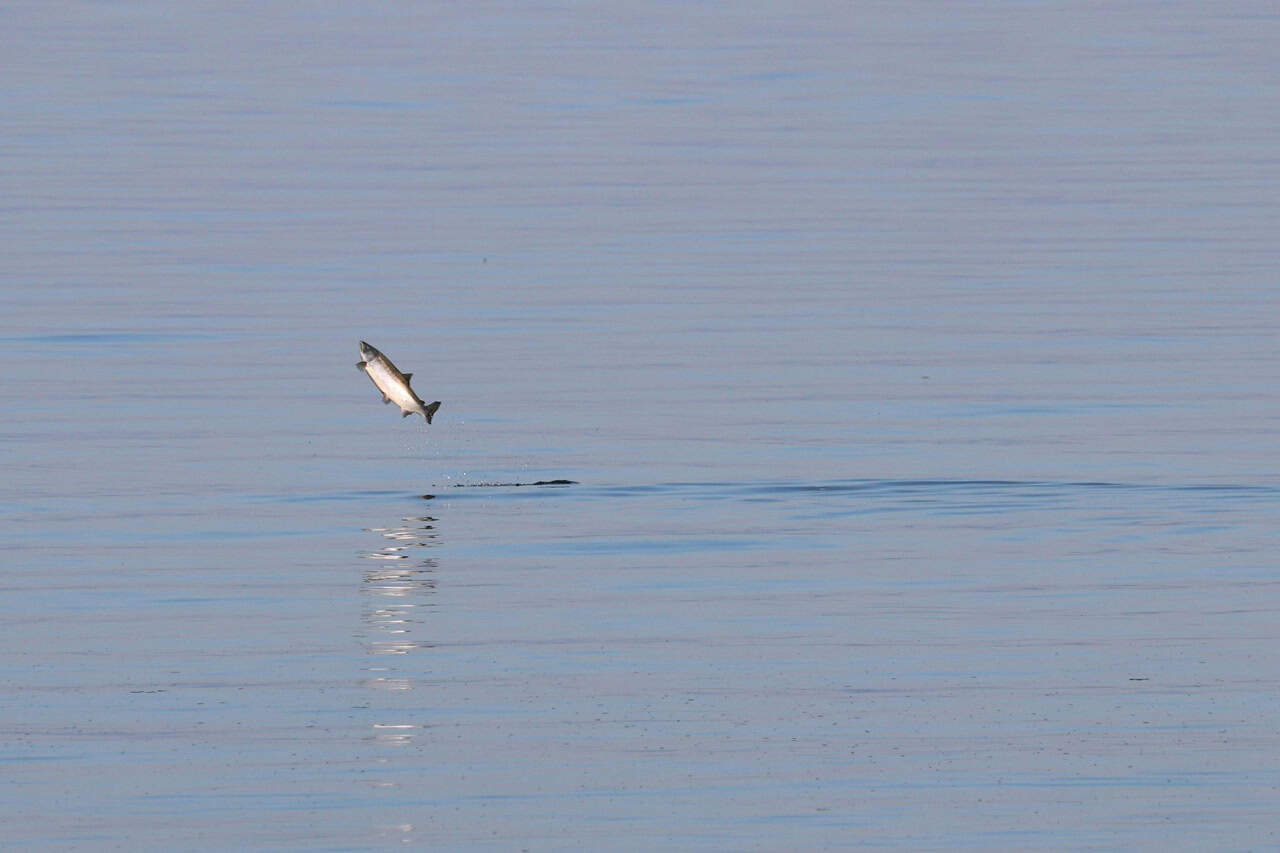
Atlantic salmon
Atlantic salmon
Atlantic salmon, which thrived more than a century ago in Lake Ontario but later greatly dwindled in population to the point its sighting in the Credit River became rare, have also made a comeback in the area.
The Ontario Federation of Anglers and Hunters and the Ontario Ministry of Natural Resources and Forestry, together with other partners, have worked to bring Atlantic salmon back to Lake Ontario and, by extension, the Credit River.
At some point beyond the late 19th century, according to various sources, the Atlantic salmon population in Lake Ontario was eliminated due to the combined effects of environmental degradation of streams, ecosystem changes in the lake and over-fishing.
Atlantic salmon were one of the first fish species in the Great Lakes to disappear because of human activities.
More recently, The Riverwood Conservancy in Mississauga noted that while Atlantic salmon have again been stocked in the Credit River for some time now, they are still a bit of a rare sight.
Credit Valley Conservation’s four-part series, Watershed Wildlife: Four Species Making a Comeback, has had three installments published to date. The final part in the series, detailing the reemergence of Atlantic salmon, will be available next month.
PollView All
WIN A $100 GIFT CARD
Subscribe to INsauga’s daily email newsletter for a chance to win a $100 Amazon gift card.