
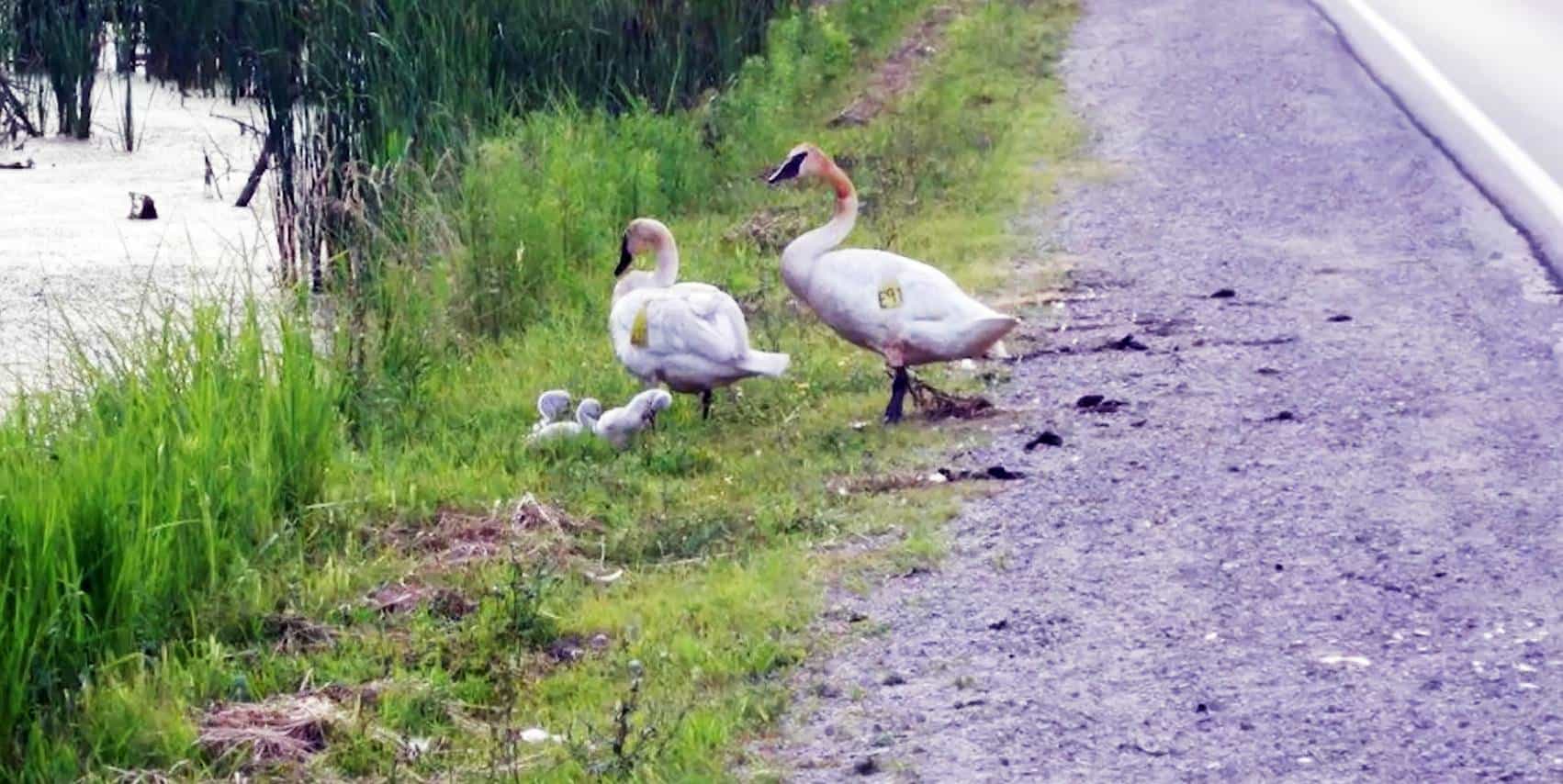
As Brampton continues to grow, city officials are looking for volunteers to help tackle a problem that often goes unnoticed by drivers: the hundreds of wildlife crossings that occur where roads intersect forests, wetlands and waterways.
The City of Brampton and the Toronto and Region Conservation Authority are recruiting volunteers for the 2026 Road Ecology Monitoring Program, an initiative designed to identify wildlife-vehicle collision hotspots and guide efforts to make roads safer for both animals and motorists.
The call for volunteers comes after monitoring along Heart Lake Road recorded 106 wildlife deaths caused by vehicle collisions during the 2025 season.
The findings underscore the challenges facing wildlife in a rapidly urbanizing city where roads often cut through natural areas used by animals to travel between habitats.
“Road ecology” is the study of how roads affect wildlife and ecosystems, and how those impacts can be reduced through better planning, infrastructure and monitoring.
According to the city, roads can fragment habitats, isolate wildlife populations and disrupt movement between forests, wetlands and waterways. They can also create safety risks for drivers when animals attempt to cross busy roads.
The issue is particularly acute for amphibians and reptiles, including turtles, frogs and snakes, which move slowly and often travel seasonally between wetlands and forested areas. Because they frequently cross roads during migration and nesting periods, they are especially vulnerable to vehicle strikes.
The volunteer monitoring program focuses on areas identified as high-risk wildlife corridors, including Heart Lake Road and Donnelly East Park.
Participants spend between two and six hours per week collecting information that helps the city understand where wildlife are crossing roads and where collisions occur. Volunteers record wildlife sightings and mortalities, monitor turtle nesting activity, assess wildlife fencing and install protective cages around turtle nests when required.
The information is used to evaluate the effectiveness of wildlife protection measures and identify where additional infrastructure may be needed.
Brampton has already installed a number of mitigation measures in key areas, including wildlife fencing, eco-passages that allow animals to move beneath roads, warning signs equipped with flashing lights and speed-reduction measures.
Along Heart Lake Road, the City has installed fencing, two eco-passages, a box culvert and wildlife warning signage. Similar wildlife exclusion fencing has also been installed near Donnelly East Park and Loafer’s Lake.
City officials say monitoring is essential because it provides the evidence needed to determine whether those investments are working and where future improvements should be made.
The road ecology program was endorsed by Brampton City Council in 2024 and forms part of the city’s broader efforts to conserve and connect natural heritage areas as development continues.
Volunteers accepted into the program must attend a mandatory training session on June 12. Monitoring will continue through November.
Officials are also encouraging residents to slow down near wetlands and forests, particularly at dawn, dusk and during rainy evenings when wildlife movement is at its highest.
While the City’s infrastructure upgrades are designed to reduce collisions, officials say community participation remains a critical part of protecting wildlife and ensuring roads are safer for everyone.
PollView All
WIN A $100 GIFT CARD
Subscribe to INsauga’s daily email newsletter for a chance to win a $100 Amazon gift card.