
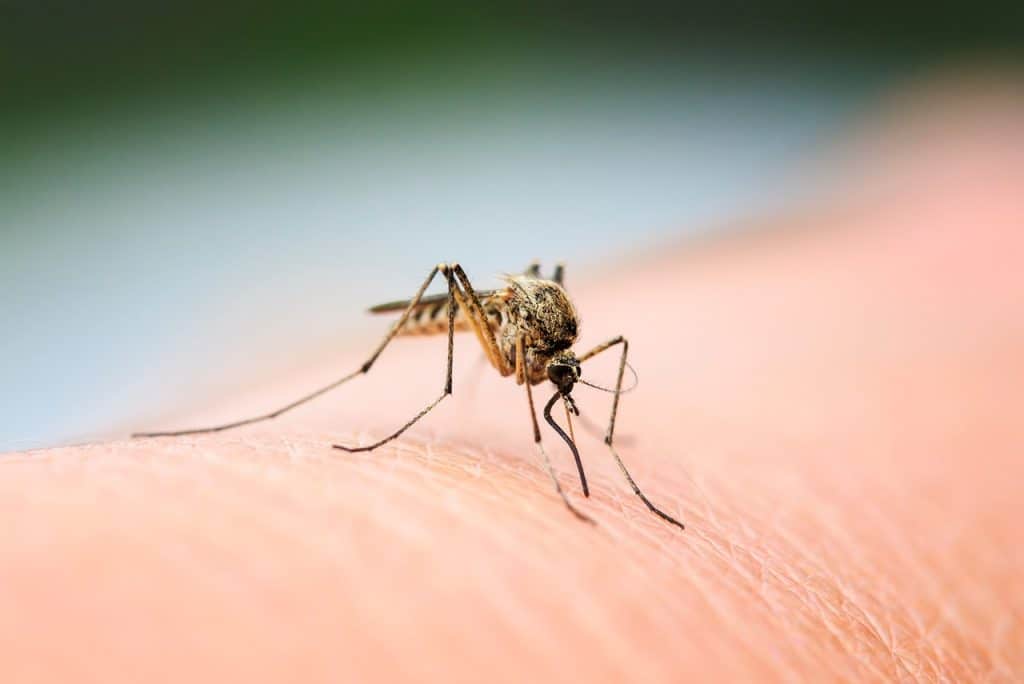
Seven more mosquito traps in Mississauga and Brampton have tested positive for West Nile virus as public health officials in the region continue to find signs of the disease.
Peel Public Health said in its latest update on Monday the West Nile virus-positive traps were located near four Brampton intersections and three in Mississauga.
They were collected last week at the following locations:
- In Brampton at Williams Parkway West and Chinguacousy Road, Hurontario Street and Steeles Avenue East, Cottrelle Boulevard and The Gore Road, and Queen Street East and West Drive
- In Mississauga at Bancroft Drive and Mavis Road, Atwater Avenue and Ogden Avenue, and Dixie Road and Bloor Street
The virus, which is transmitted to humans through the bite of an infected mosquito, can typically cause flu-like symptoms in people, but can also lead to more severe illnesses affecting the brain or nervous system.
The first mosquitoes to test positive for the virus this summer in Mississauga were collected from a trap the week of July 13 near Derry and Airport roads, close to both Brampton and Etobicoke, public health officials said earlier.
Later in July, public health officials reported this year’s first human case of West Nile virus in Canada. The Public Health Agency of Canada said at the time that an adult in Toronto with no travel history was infected with the mosquito-borne virus.
There had previously been two people with WNV in Canada, but they were infected while travelling outside the country.
The first human case of the virus appeared in Canada in 2002 and has been circulating since that time.
According to Peel Public Health, there is no vaccine or specific treatment for humans, making prevention essential. Older people and those with weakened immune systems are at higher risk for serious complications.
The best way to combat West Nile is to lower the risk of contracting the mosquito-borne illness, city officials have said throughout the summer.
Mosquitoes that transmit West Nile virus are most active at dusk and dawn. People are advised to limit exposure during peak mosquito hours or, if possible, stay indoors during these times.
Applying effective insect repellents containing DEET or icaridin when outdoors is also recommended.
Also, wearing protective clothing is an effective method to avoid being bitten by mosquitoes, the city noted. Dress in long sleeves, pants, socks and a hat when outside, especially at dawn and dusk, officials urge.
Other preventive steps include ensuring all windows and door screens fit securely and are free of tears and holes. It is also important to store any water-catching items indoors or under cover and to repair leaking outdoor hoses or faucets to prevent small puddles from forming.
If you notice persistent standing water in local catch basins, ditches or other public areas, report it to Peel Public Health at 905-799-7700 (or toll-free at 1-888-919-7800) or online.
— with files from The Canadian Press
INsauga's Editorial Standards and PoliciesPollView All
WIN A $100 GIFT CARD
Subscribe to INsauga’s daily email newsletter for a chance to win a $100 Amazon gift card.