
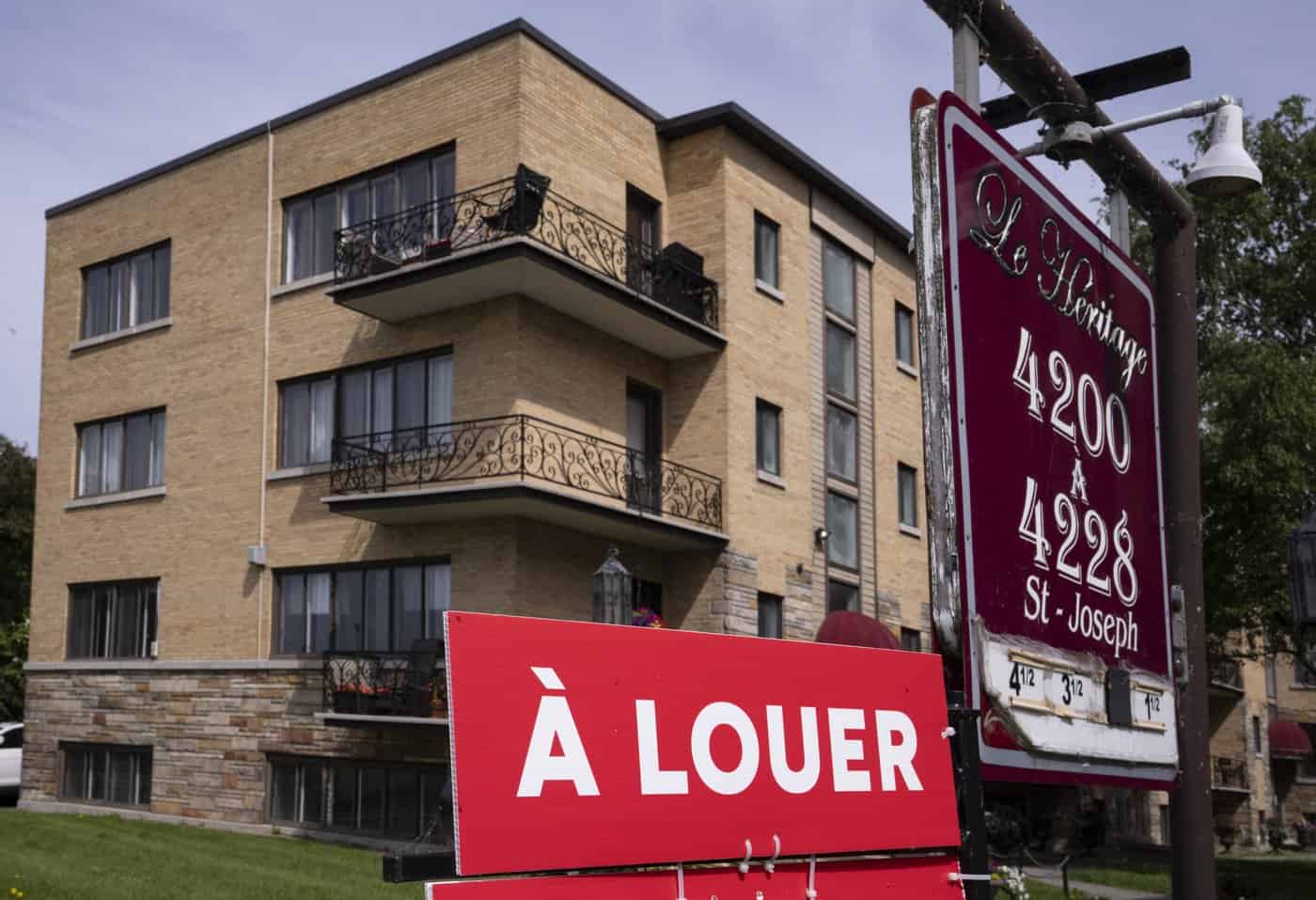
Canada’s housing agency says rental prices have fallen amid an influx of new properties and slower population growth, but demand in major cities is expected to grow in part due to improving affordability.
Canada Mortgage and Housing Corp.’s mid-year rental market report said increased supply from new buildings is driving asking rents for available units lower, particularly in markets such as Toronto, Vancouver, Calgary and Ottawa.
Meanwhile, it said Halifax’s asking rents have begun to stabilize after previous declines, while Montreal and Edmonton showed little change.
Overall, rental apartment completions in early 2026 are tracking above the same period in 2025.
A surge in new condominium apartments in Toronto and Vancouver — many of which couldn’t be absorbed in the ownership market and are now instead being rented out — is also contributing to that dynamic.
Supply is now outpacing demand for those new units, providing renters with more choice and some negotiating room, the report said. However, It cautioned that this source of new supply will decline in the coming years as condominium apartment completions are projected to fall sharply.
In addition to lowering rents, the report says landlords are turning to incentives to attract tenants, often advertising multiple months of waived rental fees, free or discounted parking, gift cards, move-in credits or cash bonuses.
“Recent supply growth is improving choice for renters in some segments of the rental market, particularly among newer, more expensive units,” CMHC deputy chief economist Tania Bourassa-Ochoa said in a news release.
“However, persistently tight conditions in lower segments of the market highlight that affordability challenges remain and will take time to address.”
The report also described a short-term imbalance between supply and demand for new, higher-priced units, leading to rising vacancies that can often take months to fill.
CMHC said vacancies were highest in structures built after 2020 and in units located near post-secondary institutions, while older stabilized buildings and family-sized units continue to experience tighter market conditions.
Still, landlords are continuing to increase rents paid on occupied units, as well as raising rents once a unit becomes available in markets with low turnover. The report said this is contributing to an increase in the average rents paid by all tenants.
Despite weak population growth and elevated unemployment rates, CMHC said rental demand in major cities is expected to rebound thanks to improving affordability for new tenants, return-to-office trends, along with large cohorts of young adults seeking independence.
“This is especially true amid economic uncertainty and lower costs compared to ownership,” the report said.
“Notably, easing housing costs are expected to support growth in Toronto and Vancouver. This will enable previously suppressed households to form.”
By Sammy Hudes
PollView All
WIN A $100 GIFT CARD
Subscribe to INsauga’s daily email newsletter for a chance to win a $100 Amazon gift card.