
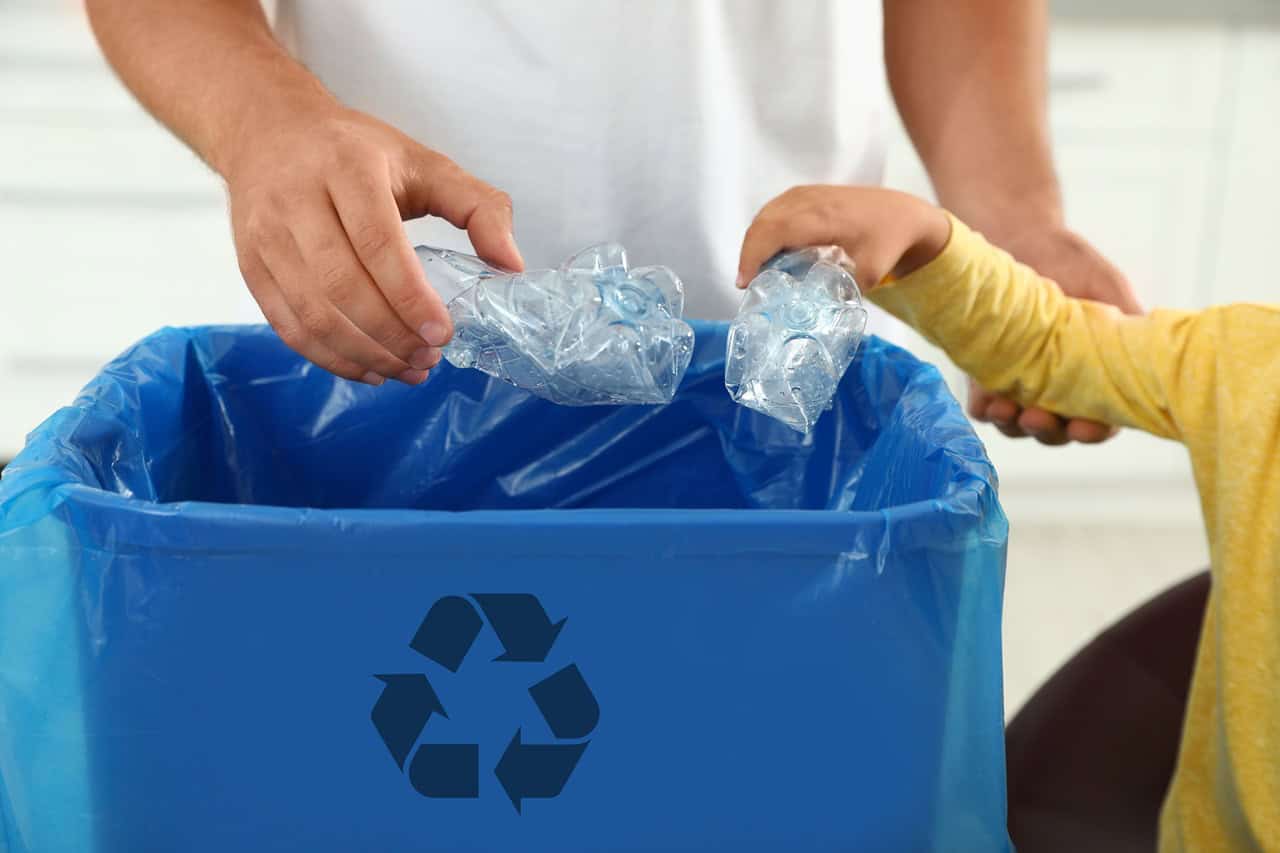
Recycling in Ontario has undergone a major shift, with residents likely noticing recent changes. As of January 1, 2026, the province transitioned to a producer-led model, with Circular Materials, a national not-for-profit, managing residential recycling under the Extended Producer Responsibility (EPR) framework. This means the companies that produce packaging and paper products to consumers in Ontario, including familiar brands and retailers Ontarians interact with every day, are now responsible for collecting, sorting and recycling them after use.
Benefits of EPR in Ontario
With expanded materials for recycling, one unified material list across the province and investments in new recycling infrastructure, Ontario’s curbside recycling program is becoming more efficient, consistent and accountable. These changes aim to boost recovery rates and support a circular economy while keeping materials out of landfill and turning them into new products and packaging that benefit Ontario’s economy and the environment.
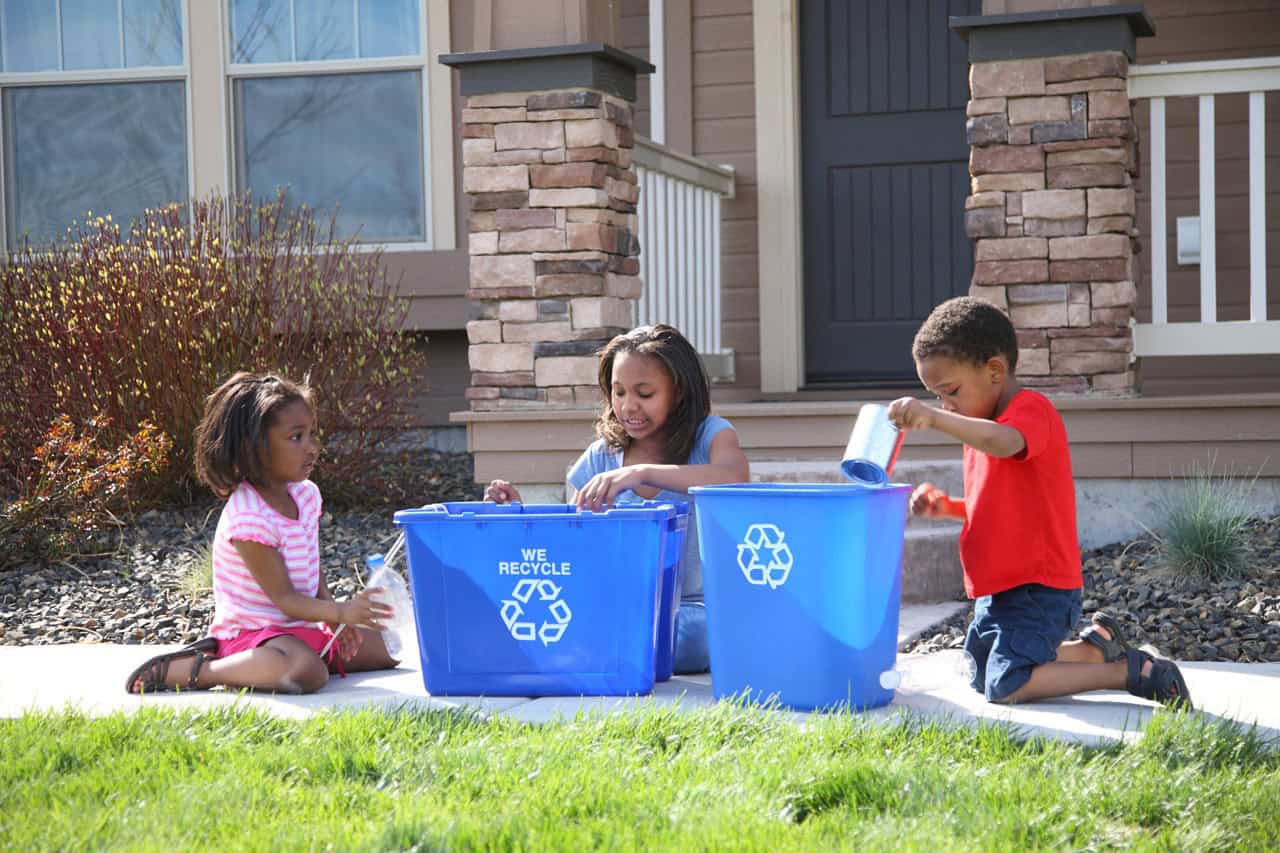
Previously, municipalities operated and funded recycling, placing financial responsibility on local governments and taxpayers. Now, with EPR, funding has shifted to producers. This means that Ontario municipalities and taxpayers will no longer pay for recycling services – saving Ontario municipalities over $200 million in costs. These savings can support other essential public services.
This change benefits residents by simplifying recycling and marks a major shift in industry accountability, as producers must manage a product’s packaging lifecycle, which is good news for anyone who has wondered if what they put in their blue box is recycled. It encourages waste reduction, improved recyclability and more thoughtful material use while considering environmental impact.
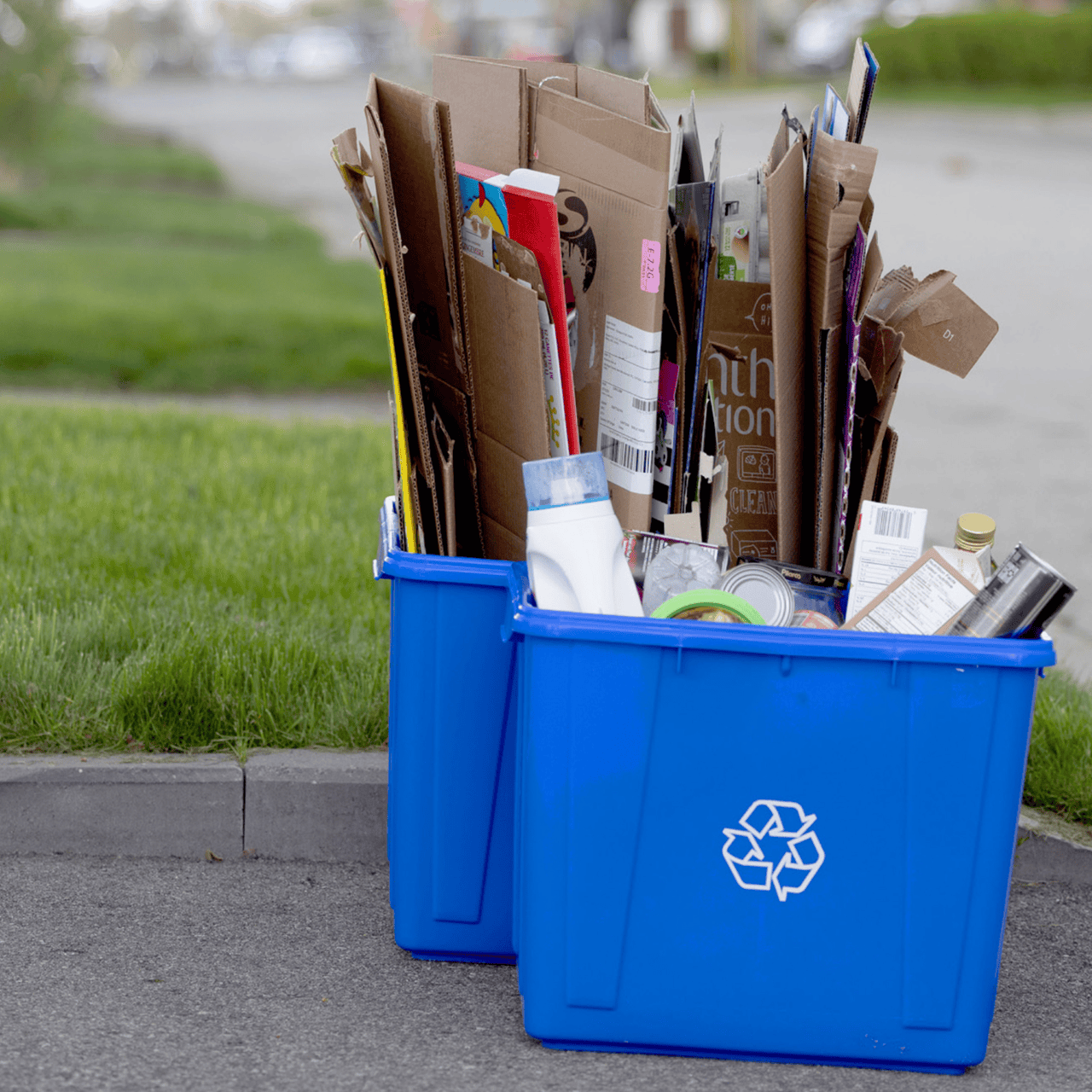
New regulations set higher recovery targets than ever before over the next seven years to improve recycling rates, including materials that have been harder to process, such as rigid plastics like black takeout containers. Producers are responding by adopting more innovative and sustainable packaging. They are reducing unnecessary materials, adding more recycled content and prioritizing designs that are easier to collect and process within a circular economy.
Modernizing Ontario’s Recycling Infrastructure
To help meet new targets, Ontario’s recycling infrastructure is being modernized. Circular Materials is working with service providers across the province to strengthen collection and processing systems. For example, WM is developing two advanced recycling facilities in Cambridge and the Greater Napanee region. Together, these sites process about 30 per cent of Ontario’s Blue Box materials, each handling up to 160,000 metric tonnes annually. Both feature advanced sorting technology, including AI-enabled optical systems that improve material recovery, reduce contamination and ensure more recyclables re-enter the supply chain.
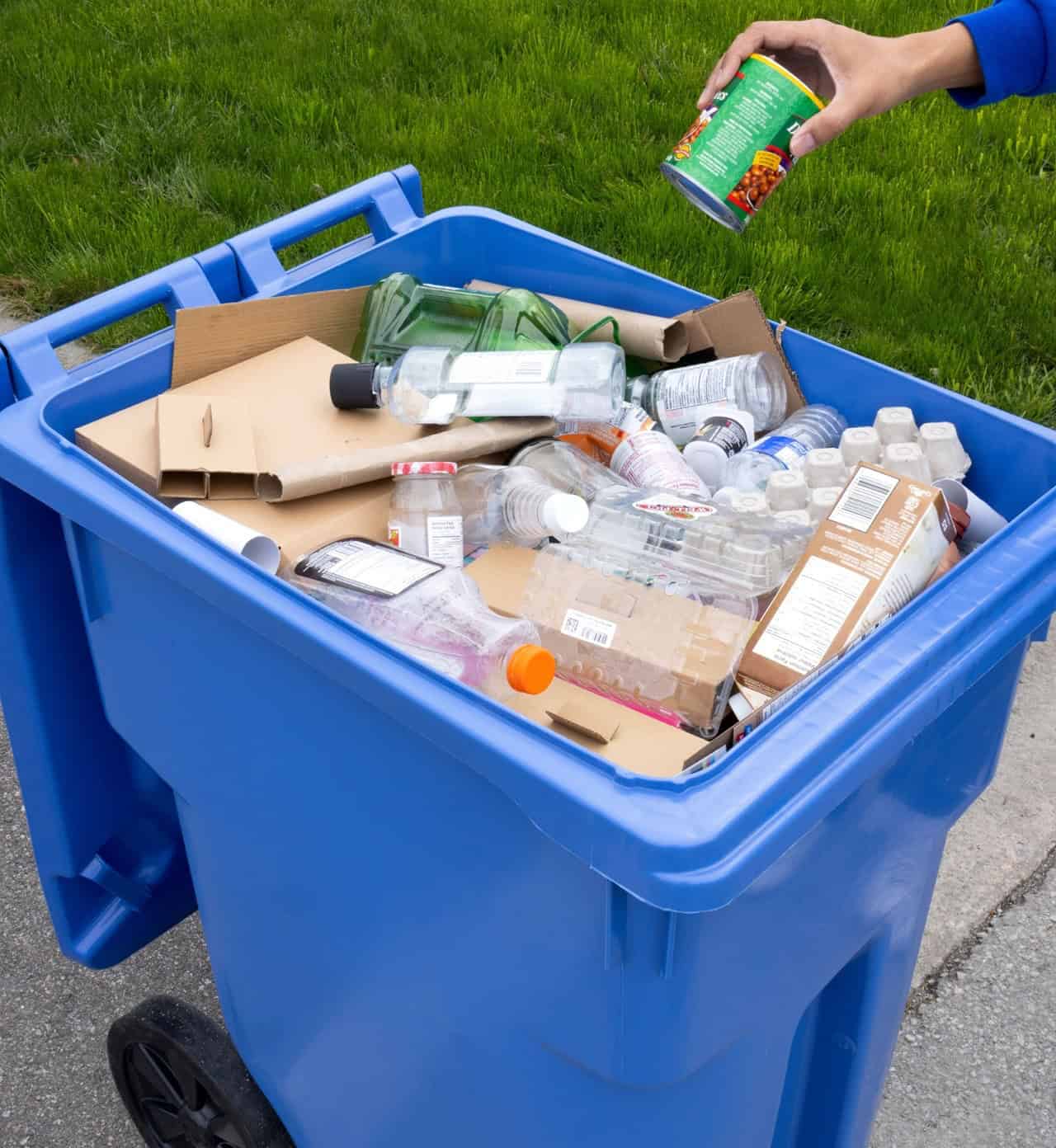
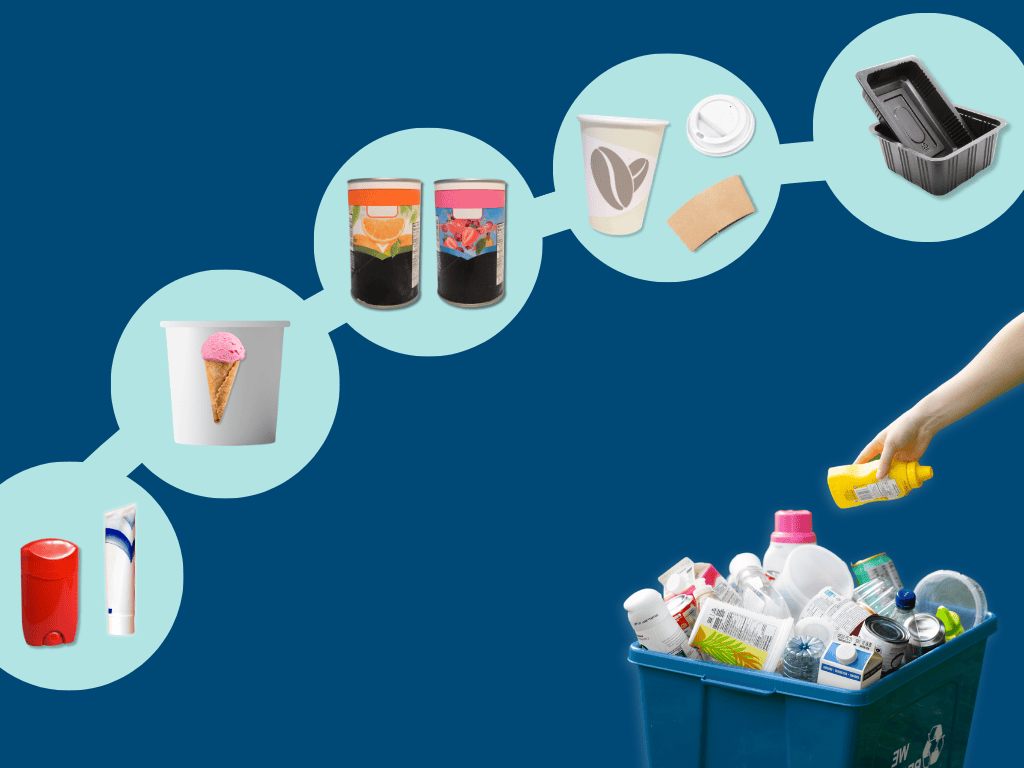
These advanced facilities allow an expanded list of accepted materials when recycling at home. Items once excluded are now recyclable across the province, including black plastic takeout containers, hot and cold paper-based and plastic-lined beverage cups (such as takeout coffee cups), deodorant sticks, lotion bottles and toothpaste tubes.
Companies are taking steps to ensure their products can be easily collected, processed and recycled. For example, KDP Canada worked with Circular Materials to make its K-Cup pods recyclable in Ontario, allowing about 75 per cent of Canadians to put their K-Cup® pods in their Blue Box. This shows how packaging design is responding to Ontarians’ needs to make recycling easier.
Another key improvement is greater consistency. Recycling regulations used to vary by municipality, often causing confusion and higher contamination rates. The new system harmonizes regulations, making it easier for residents to know what belongs in the Blue Box, no matter where they live. This also improves recycling outcomes. Some residents have seen adjustments to their collection schedules to better match regional demand, align with garbage collection, and improve service efficiency.
Accelerating the Shift to a Circular Economy
Despite advancements in recycling, misconceptions persist. Some believe recycled materials end up in landfills and choose not to participate. However, the system’s effectiveness depends on participation. Simple actions like learning what items belong in the curbside recycling bin, and following Circular Materials’ recycling guidelines significantly reduce contamination and keep more materials in the recycling stream.
Ontario’s transition to a producer-led recycling system reflects a broader global shift toward a circular economy. In this system, materials are kept in use as long as possible rather than discarded after a single use. By placing responsibility on producers, the province reduces taxpayers’ costs and encourages innovation. This improves system performance, strengthens accountability and builds a more sustainable model for the future.
Residents’ roles remain straightforward but essential: participate in the Blue Box program, stay informed on how to recycle properly and support a system that serves everyone and the environment. When accountability and public participation increase, we can build an effective circular economy that benefits the whole ecosystem.
To learn more about Circular Materials and all products and materials that can now be recycled, please visit circularmaterials.ca/recycleontario.
INsauga's Editorial Standards and Policies