
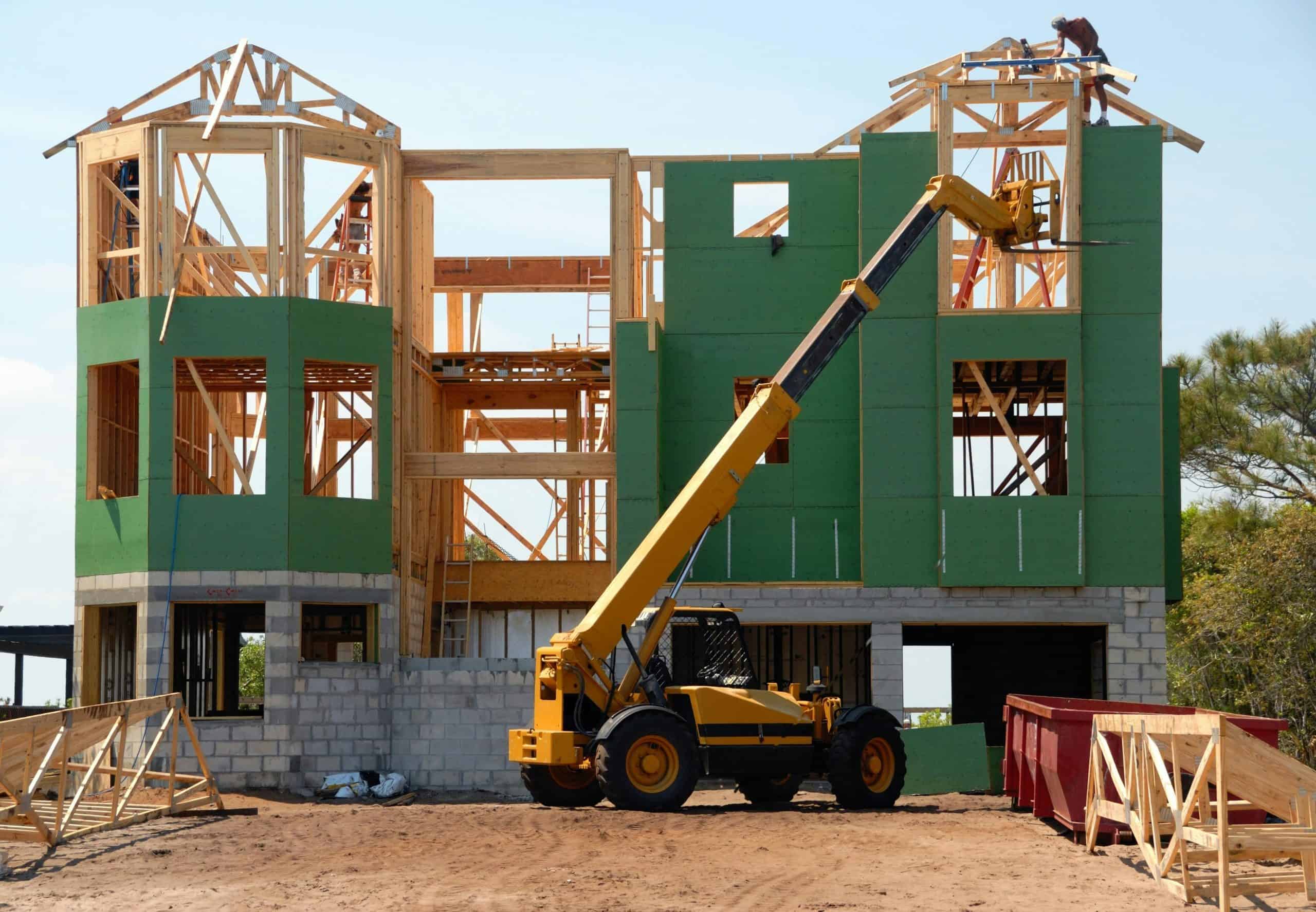
Politicians in Mississauga, Brampton and Caledon have agreed to slash and defer fees charged to housing developers, but say it should be up to the province and feds to make up a more than $1.3 billion shortfall, not taxpayers.
The decision comes two weeks after a dramatic Region of Peel council meeting where councillors from both Brampton and Caledon walked out to prevent a vote from taking place, which could have seen the reduction of fees paid by developers to Peel.
Those fees pay for infrastructure and services for housing units, like regional roads, water access, and sewers. And without a way to make up the funding shortfall, councillors are worried the burden will fall on taxpayers and that some roads, transit, sports and community projects are at risk of stalling.
On Thursday, Peel council approved a 50 per cent reduction to development charges and deferred the collection of funds “without interest” from when applications are filed to when occupancy permits are issued.
But slashing and deferring those fees leaves the Region of Peel in a $1.3 billion hole with another loss of $406 million expected by November of next year, the region says.
The need for changes to how development charges are collected are required under Ontario’s Bill 17, known as Protect Ontario by Building Faster and Smarter Act, introducing changes to several housing rules under the Development Charges Act, Planning Act, among others.
Politicians from all three municipalities are urging the province and the federal government to commit to backstop funding to avoid raising taxes in Mississauga, Brampton and Caledon.
Caledon Mayor Annette Groves says she will pull her support for the changes if the region gets no “concrete written commitments” by October. Brampton Coun. Rowena Santos said she would back Groves and walk out of a future meeting if the municipalities aren’t made whole.
“I hope it doesn’t come to that, but it cannot be on the backs of our taxpayers,” Groves said.
Earlier this week, Mississauga Mayor Carolyn Parrish said another walk-out on Thursday would be reason enough for the province to revisit the idea of splitting up the region.
“If they keep insisting on walking out, a whole month of business not getting done, let them … If they want to behave that way, let the world see how sophisticated they are,” Parrish said on Wednesday during a Mississauga City Council meeting.
A report on Bill 17’s expected impact on the city’s coffers shows Brampton could lose $84 million to $112 million in deferred development charges in the first year, and another $13 to $21 million annually.
The shortfall means the city would have to look for funding elsewhere, and without a commitment from the province, Santos said “the only option is (increased) property taxes.”
Earlier this month, Mississauga Mayor Carolyn Parrish proposed a fee reduction of 50 per cent in an effort to kickstart construction. Brampton and Caledon argued the fees are necessary to pay for the cost of infrastructure – comments echoed by Groves on Thursday, who said “growth should pay for growth.”
Brampton updated its development charge bylaws last year with a 7 per cent drop in developer charges for single and semi-detached homes ($65,404), apartment buildings (between $22,763 and $36,989) and industrial builds ($114.19).
Changes to the Planning Act under Bill 17 require municipalities to “automatically accept studies or materials prepared by certified professionals,” like engineers, “without further scrutiny for completeness.”
Peel’s three municipalities are also moving forward on a new plan to deliver the various public works services in the region, like waste collection and roads, by mid-2026.
– With files from Steve Pecar and Declan Finucane
PollView All
WIN A $100 GIFT CARD
Subscribe to INsauga’s daily email newsletter for a chance to win a $100 Amazon gift card.