
After last month’s budget announcement, hospitality leaders are assessing how protected they are.
The new provincial budget, revealed on May 15, focused on key areas in response to damages caused by U.S.-imposed tariffs and subsequent complications from the ongoing trade war.
Numerous infrastructure and labour incentives to bolster Ontario’s economy were a major arm of the 2025-2026 budget, totalling a $200 billion price tag. Additional strategies implemented in the weeks before the announcement included a $1 billion provincial job training program, $9 billion in relief incentives, and several tax credit programs.
For financial experts like Joe Cote, chief growth officer at Merchant Growth, potential blind spots in the current budget and fears surrounding transparency are giving him pause for concern.
“These billions that the Ontario government wants to give to small businesses hit by tariffs are a very vague and ambiguous promise. I’ve been very much advocating for what the government is doing; however, let’s make an actual practical application on how to drive support for businesses hit he hardest,” says Cote.
According to Cote, the current budget draft allegedly overlooks several areas of the provincial workforce, specifically the hospitality industry.
Cote’s organization works directly with restaurant owners managing the cost-of-living crisis and tariff disputes, who, according to him, are struggling now more than ever.
As a result, he is concerned that the new provincial budget is leaving these businesses with a costly operational tab.
“There is a layer of tariff implications that impact surrounding supply, says Cote.” It’s general chaos right now in the supply chain, and as a result, people are scrambling to cancel orders,” says Cote.
At the time of publication, Ontario is actively sticking to its ban on U.S. alcohol on LCBO shelves in response to tariff aggravation, while provinces like Alberta and Saskatchewan are reversing it.
While the Trump administration in the U.S. continues to apply hostilities, Cote notes that, while many hope they’ll be called off, most restaurateurs have no choice but to accept the new reality.
“At this point, nobody seems to believe that tariffs are just going to roll back — all they know is that there is going to be a new norm,” says Cote.
INsauga.com reached out to Restaurants Canada to inquire how it’s helping those feeling left out by a budget favouring hard hats over aprons.
“With the provincial government saying, ‘well, you know what, what we are concerned about is doctors, health care workers, and people who can build things, and sorry, restaurants, go to the back of the line,’ there are concerns around that. We were an industry that got really beat up through COVID, and there is lingering pain from that,” Kris Barnier, central VP for Restaurants Canada, told INsauga.com
According to the organization, pre-pandemic, 12 per cent of Canadian restaurant companies were not profitable, with that number now sitting at 53 per cent. On top of this continued lack of profitability, an active industry freefall is occurring, as according to Restaurants Canada, 882 restaurant bankruptcies were recorded nationally last year.
To ensure Ontario restaurants have a fighting chance, Barnier highlighted one crucial clause in the 2025 Ontario budget that, while small compared to the billions in labour incentives, still massively supports the restaurant industry.
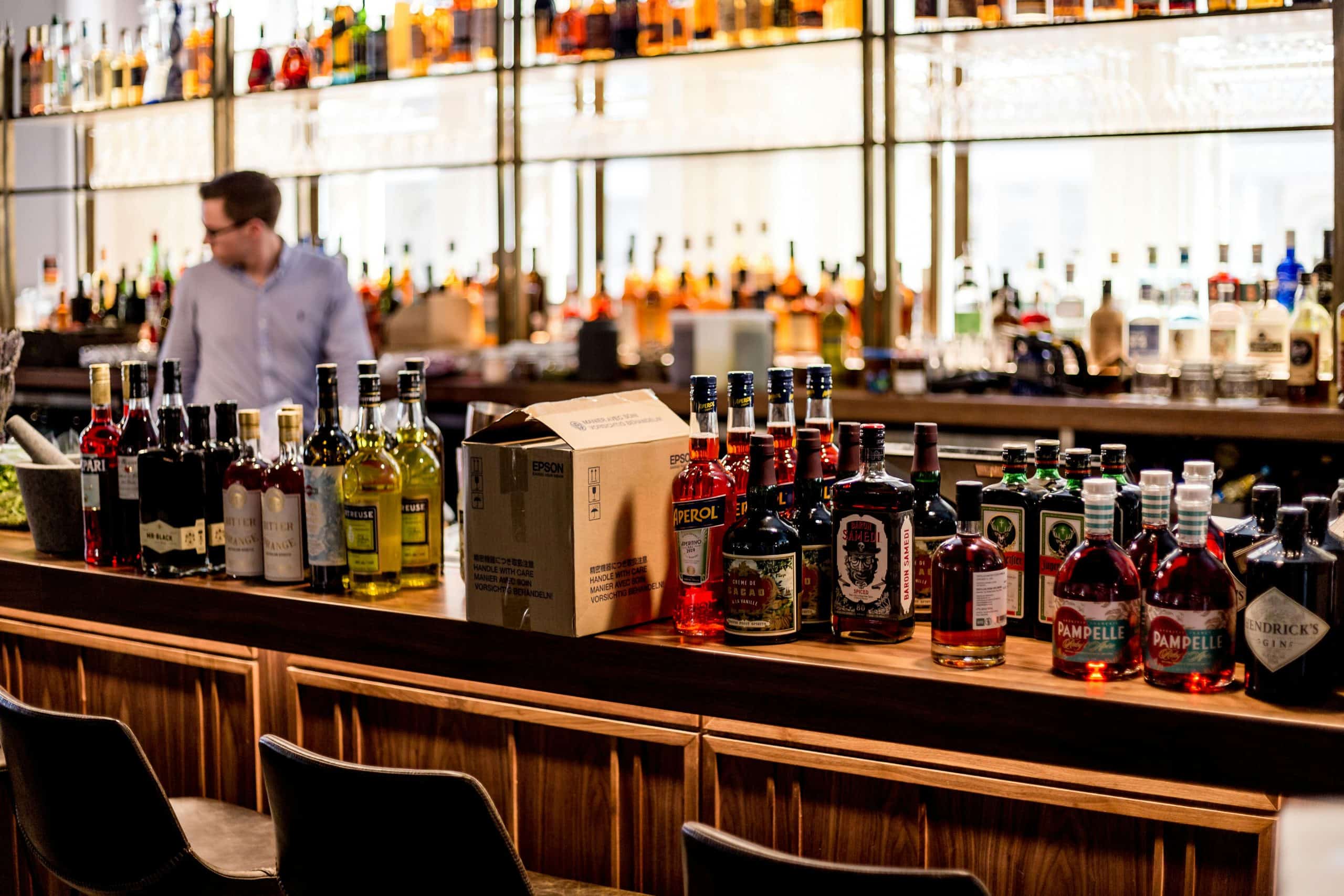
A new 15 per cent discount on bulk LCBO orders for hospitality locations across the province.
“Say you’re running a restaurant that is 20 per cent dependent on alcohol, with this discount, you could be saving seven to 10 grand — a significant amount for businesses with already slim margins,” says Barnier.
A boost to domestic alcohol sales has even further-reaching implications, as tariffs can potentially impact every component of foodstuffs that cross the border.
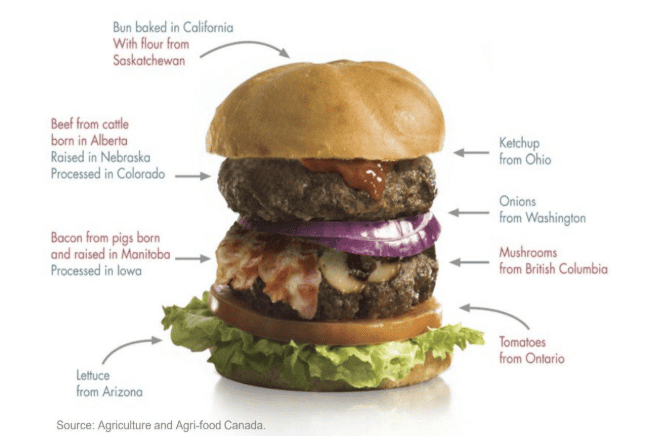
As a result, alcohol sales can help pad the bottom line while restaurants look for other produce, meat, and dairy providers.
Barnier also noted that for locations like bars, with alcohol sales margins in the 60th and 70th percentiles, this incentive is a major lifeline.
Barnier is also a proponent of any program that indirectly helps the average Ontario resident have a little more walking-around money, as when bills are paid, people are far more likely to grab a bite out.
“When there is anything that the government can do to put money back in people’s pockets, that is a huge part of helping our industry.”
Barnier went on to praise the $200 rebate sent to Ontarians late last year by the Ford administration, and if other programs are enacted, bars and restaurants would benefit substantially.
Until further strategies are implemented, all Restaurants Canada and similar groups can do is keep the ear of provincial authorities to ensure that construction noise does not drown out calls for help from a struggling hospitality industry.
“I’ve been in contact with the premier’s office and the Minister of Labour, and telling them, look, we are a workforce of 150,000 people in the province. And they have been hearing us out, especially after the last year or so, but we remain concerned and vulnerable as long as there is a tariff war.”
PollView All
WIN A $100 GIFT CARD
Subscribe to INsauga’s daily email newsletter for a chance to win a $100 Amazon gift card.