
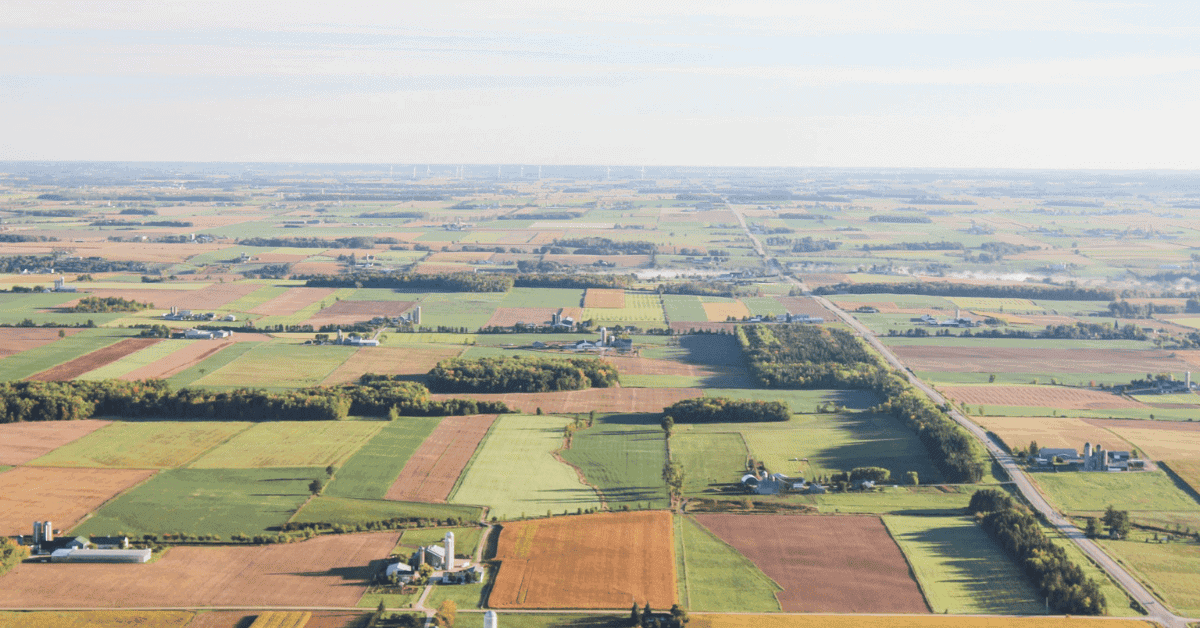
A prominent environmental group key to putting an end to the Pickering Airport is calling for residents to rise up as well as “immediate provincial intervention” to stop the fast-tracking of development proposals in northeast Pickering.
“We are calling on all residents of Pickering and Durham Region to contact Mayor Kevin Ashe and city council immediately – and before the March 30 special council meeting – to demand they halt this ‘expedited’ approval and return to the legally mandated ‘Pickering Forward’ process,” said Stop Sprawl Durham co-lead Helen Brenner. “Council has a primary duty to protect our food security, flood safety, and fiscal stability before paving over our future at the expense of the taxpayer.”
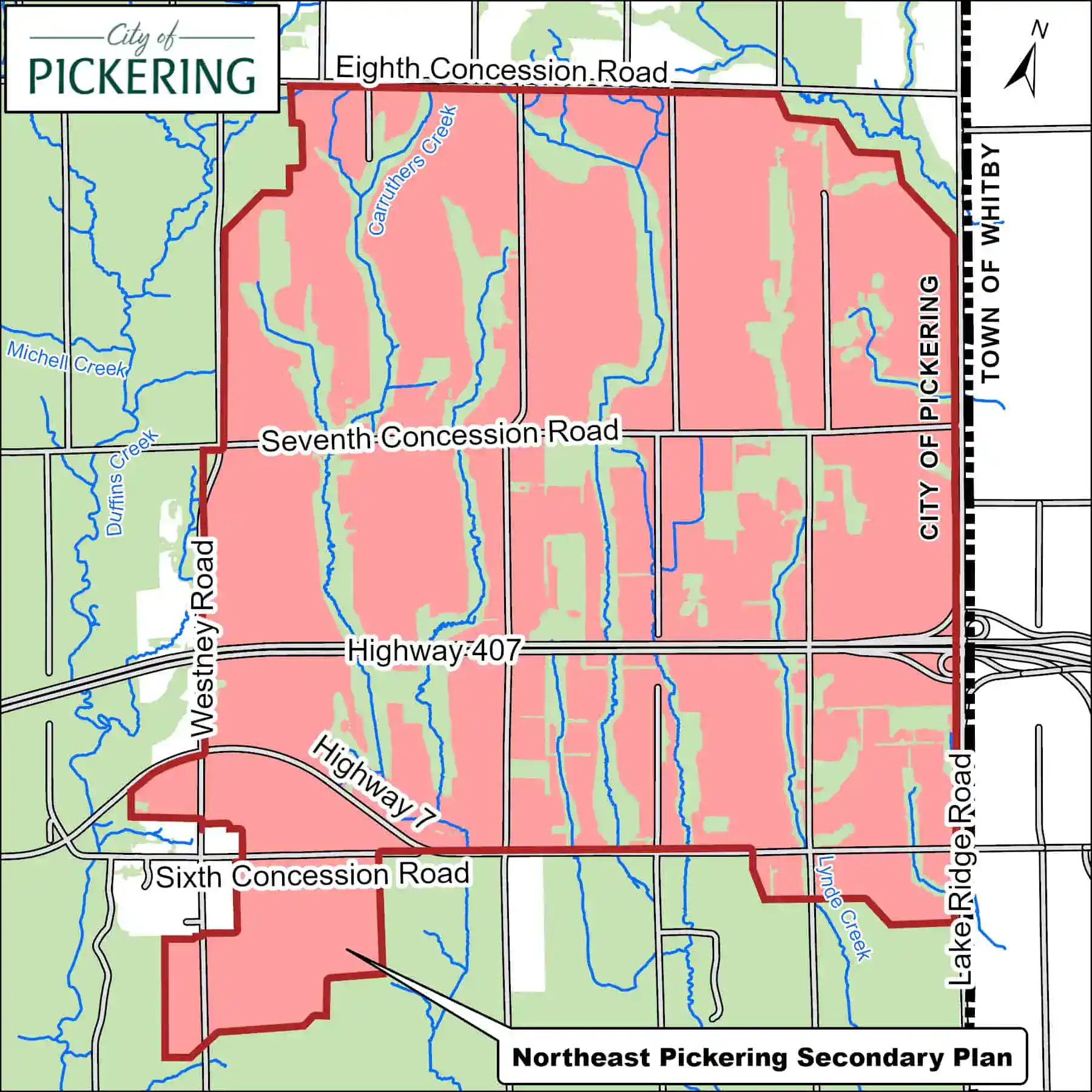
Stop Sprawl Durham believes Pickering is “abandoning” provincial environmental protection mandates in its rush to develop 4,356 acres of land by attempting a “procedural bypass” to fast-track a major urban expansion in the city’s largely rural northeast at the wishes of a developer-led organization called the Northeast Pickering Landowners’ Group
Stop Sprawl Durham claims the development is being pushed forward over guidelines established in a 2024 provincial planning statement and Durham Region’s own Official plan – legislated safeguards designed to protect the public from “financial instability and environmental disaster,” said Stop Sprawl’s other co-lead, Abdullah Mir.
By sidelining these mandatory reviews, the city is creating a state of “planned blindness” toward fiscal and public safety risks, he said, including paving over Class 1 agricultural soil at the headwaters of Carruthers Creek.
Stop Sprawl Durham also believes Pickering is “manufacturing a need” for sprawl while ignoring a growing half-billion-dollar debt.
“This will be a financial disaster. This sprawling development will inevitably result in higher property taxes for the residents of Pickering and Durham to cover the massive spending gap required to build infrastructure from scratch in northeast Pickering,” Mir said. “I urge city council to stop this irresponsible proposal and focus on building within already serviced urban areas that can meet our growth targets without drowning future taxpayers in debt.”

Stop Sprawl Durham claims the proposal is “critically deficient” in three ways:
- Growing Layers of Debt: The city already faces a growing $498 million capital deficit just to complete the current Seaton development, the group claims. Layering the expansion on top of this without a mandated Fiscal Impact Assessment risks ‘debt stacking’ that will trigger property tax and water bill increases for all Durham residents.
- Manufactured Land Need vs. Market Reality: The city has discarded a regional staff-recommended scenario that showed housing targets could be met with only 947 hectares region-wide in favor of a Building Industry and Land Development Association (BILD) high-growth model of 1,763 hectares.
- Unmitigated Flood Risk: Paving over the Carruthers Creek headwaters is projected to cause a 113 per cent increase in peak flood flows. Bypassing the mandates meant to protect this area places downstream residents in Ajax at “heightened, unaddressed risk.”
Stop Sprawl Durham said that while the province has granted Strong Mayor Powers, “these do not provide an exemption from the Planning Act or provincial protections.”
“The Minister of Municipal Affairs and Housing has a statutory duty to intervene when municipal actions conflict with provincial interests – specifically regarding flood safety, food security, and fiscal stability.”
Mississaugas of Scugog Island First Nation has also been on record against developing the lands in northeast Pickering for long-term housing and employment opportunities without “meaningful consultations” since 2021. The First Nation is asking Durham Region to honour the bilateral agreement renewed in July that formalizes both parties’ intentions to develop strong partnerships and participate in meaningful engagement.
Chief Kelly LaRocca, in a letter signed her and her councillors sent Feb. 10 to the region’s Committee of the Whole, is asking the region to not enter into an Environmental Assessment funding agreement with the Northeast Pickering Landowners Group for the regional services required to support the development in northeast Pickering.
“We have been willing partners but our concerns and requests for proper consultation have gone unanswered. Despite our continuous efforts to document our opposition to development of northeast Pickering … meaningful consultation and accommodation has not occurred on this file. Durham Region must be aware that given the failure of the City of Pickering to address these outstanding concerns,” LaRocca and her councillors said in the letter.
The First Nation officially filed a request with the housing ministry in November for an individual comprehensive environmental assessment to address “potential adverse impacts” from the development of the lands. Their request, however, “continues to be unaddressed.”
“It is also critical that Durham Region is aware that MSIFN has not entered into any form of a relationship agreement with the City of Pickering,” LaRocca said, “and any claims otherwise are misinformation.”
The letter cited four parts of the Bilateral Agreement that are being breached, noting Scugog Island’s position on northeast Pickering “has not changed.”
“It is crucial that Durham Region does not take actions that will fast track commencement of the EA.”
PollView All
WIN A $100 GIFT CARD
Subscribe to INsauga’s daily email newsletter for a chance to win a $100 Amazon gift card.