
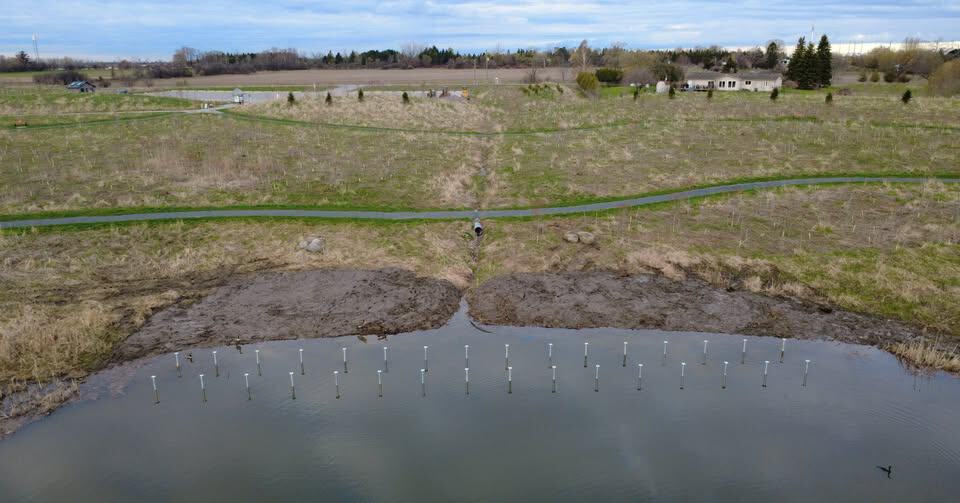
Visitors to a popular conservation area on Lake Ontario on Whitby’s west side will get to enjoy a new boardwalk this year, with construction underway on a 30-metre boardwalk providing plenty of ‘blue space’ just 200 metres from the main parking lot.
A Facebook post from the Central Lakes Conservation Authority said that while ‘green space’ has been widely studied, the importance and benefits of ‘blue space’ – being on or near water – have only recently been promoted.
“There is a growing awareness of the slightly different beneficial impacts of blue space,” the conservation authority explained, adding that the boardwalk is being designed to increase local access to the water. “It will have water on both sides, and the shoreline will be graded and planted to create optimal frog habitat for prime amphibian viewing opportunities.”
The piles have already been installed, and the boardwalk is expected to be completed within a few months.
The new boardwalk is just part of a series of improvements at Lynde Shores that have been ongoing for the past two years, with CLOCA teaming up with Canada Water Agency (formerly Environment and Climate Change Canada) in 2024 to enhance the health and resilience of this crucial ecosystem.
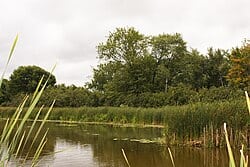
Thanks to $2.1 million received from Canada Water Agency in 2024, and $1.5 million in funding (in partnership with Ducks Unlimited) from the province’s Wetlands Conservation Partnership program, CLOCA has been working to expand restoration projects at Lynde Shores, as well as complete the Westside Creek Wetland Restoration and Resilience project.
The importance of preserving and enhancing the wetlands at Lynde Shores – especially to counter the effects of climate change and human activities – is crucial, CLOCA said, as the Great Lakes coastal wetlands play a “critical role” in supporting the freshwater ecosystem, the economy, and local communities.
A study performed by the Canada Water Agency initiated to understand vulnerability, develop adaptation strategies, and raise public awareness provided important information for policymakers and others involved in wetland protection to help ensure these wetlands can survive in the face of climate change.
Through this study, the Lynde Creek Marsh and Cranberry Marsh Coastal Wetlands in Lynde Shores Conservation Area were found to be particularly sensitive and vulnerable to the impacts of climate change. The results showed that these wetlands could experience a decrease in biodiversity (the variety of plants and animals), resilience (their ability to recover from damage), and water quality due to the loss of certain types of plants, including submerged aquatic vegetation, meadow marshes, and swamp habitats.
More frequent and extreme changes in water levels are also putting the wetlands at risk by disrupting interspersion – the mix and arrangement of different habitat types within the wetland – reducing the availability of cool-water refuges for fish and harming the natural features that protect the wetlands. Low biodiversity makes these ecosystems even more fragile.
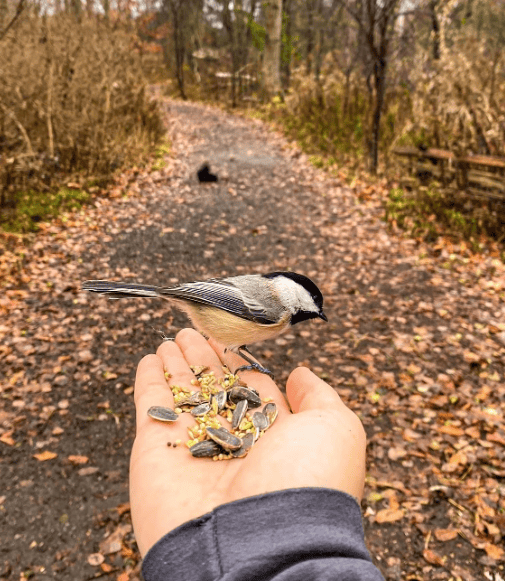
Photo by Tamaraexplores
As a result of these findings CLOCA and Canada Water Agency began working on strategies to help the Lynde Shores Coastal Wetlands adapt to these changes. The goal is to build their capacity to transform and survive over the long term, ensuring these important habitats remains healthy for years to come.
“The significant funding announcement represents a large and exciting step toward achieving the improved ecosystem health and resilience needed at Lynde Shores Conservation Area,” Dan Moore, CLOCA’s Senior Ecologist, Environmental Monitoring and Ecosystem Science, said in 2024.
The Lynde Shores Restoration and Resilience project addresses “pressing challenges” at Lynde Creek and Cranberry Marsh, with the area requiring “intervention” to ensure its ecological values and services are retained and more resilient to climate pressures.
Restoration strategies tailored to Lynde Shores were developed to enhance marsh ecosystem resilience, restore degraded habitats, and promote long-term sustainability through nature-based solutions.
The work will see new wetlands created, existing wetlands restored or enhanced and barrier beach protection measures to combat climate change driving rising water levels and more frequent storm events.
The area’s walking and hiking trails, including a section of the popular Great Lakes Waterfront Trail, are major attractions in Durham Region, drawing nature lovers from all over the GTA, with more 200,000 people visiting Lynde Shores each year to walk the trails and interact with a variety of animal species, including – on special occasions – chipmunks who will feed out of your hand.
Learn more about restoration work at Lynde Shores Conservation Area at https://www.cloca.com/lynde-shores-restoration
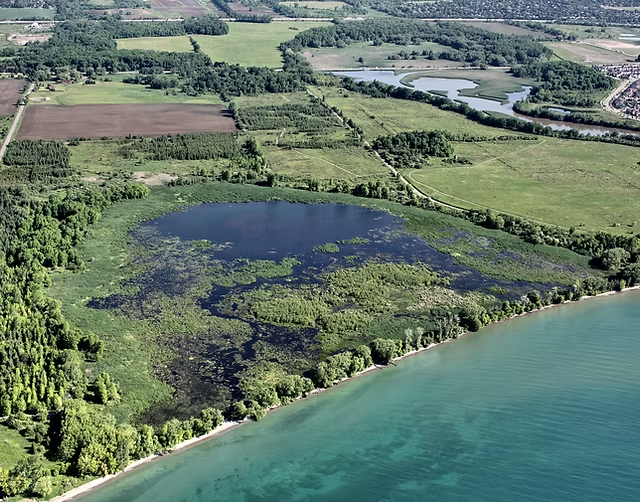
Lynde Shores Conservation Area
PollView All
WIN A $100 GIFT CARD
Subscribe to INsauga’s daily email newsletter for a chance to win a $100 Amazon gift card.