
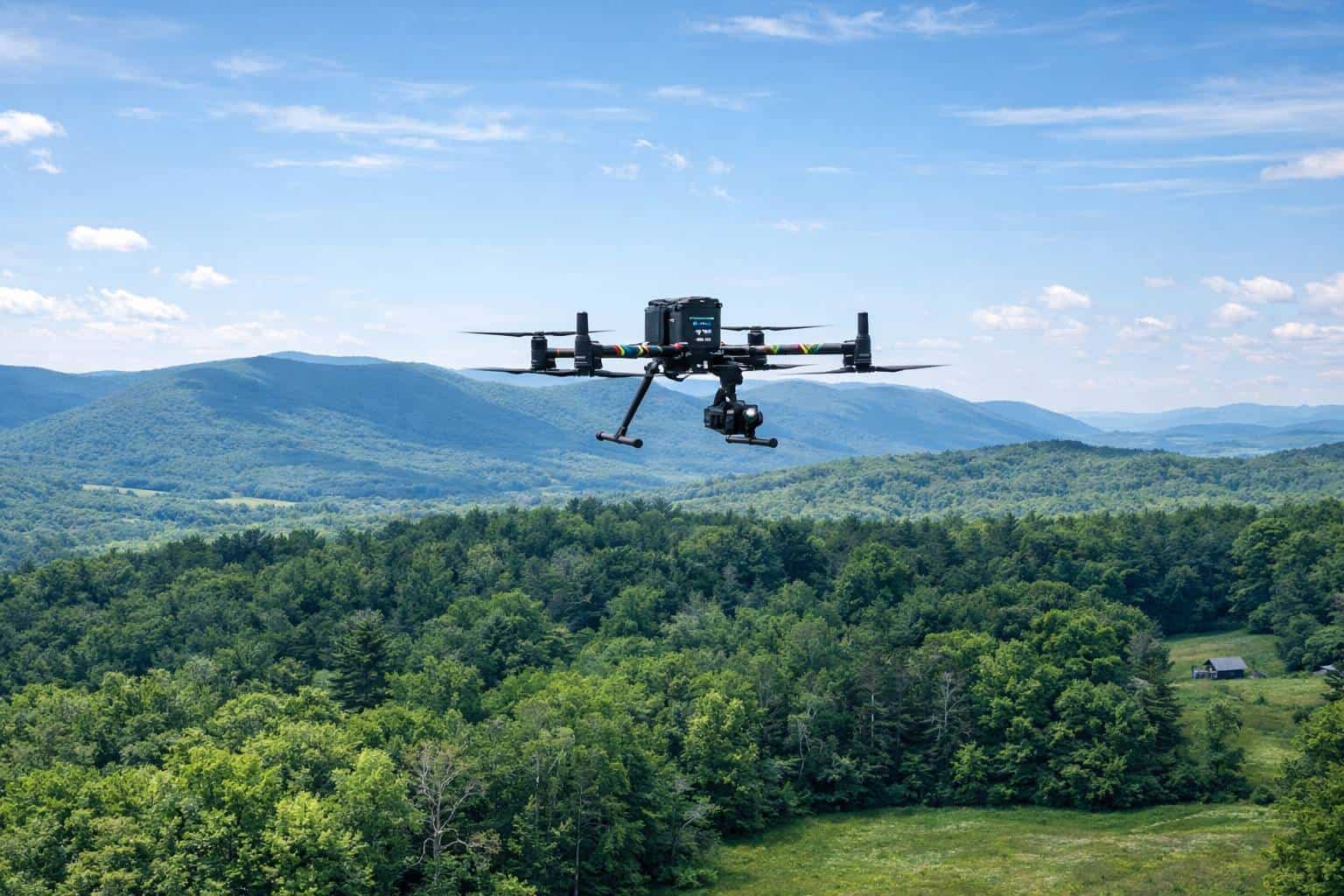
Residents in Caledon may soon see drones in the sky as Peel Region launches a pilot project aimed at getting life-saving medical equipment to emergency scenes before paramedics arrive.
Beginning this summer, Peel Regional Paramedic Services and Sunnybrook Hospital will test the use of medical drones in the region, delivering emergency supplies such as automated external defibrillators (AEDs), epinephrine auto-injectors and other critical medical equipment directly to people in need.
As part of the pilot, Bolton will serve as a key testing area within Caledon, where officials will evaluate how the technology performs in real-world emergency situations in a rural community setting.
While Peel Region also includes the urban centres of Mississauga and Brampton, the initial focus of the program is on Caledon, where geography and longer travel distances can make rapid emergency response more challenging.
Officials say the drones are intended to support, not replace, traditional paramedic response. Ambulances will still be dispatched to every emergency call, while drones may arrive sooner with potentially life-saving equipment.
The technology is designed for time-sensitive situations such as cardiac arrest, severe allergic reactions and opioid overdoses, where immediate intervention can significantly improve survival outcomes.
If a drone is deployed, callers will receive real-time guidance from paramedics and emergency dispatchers on how to access and use the equipment until first responders arrive on scene.
The pilot builds on research that began in 2017 through a study led by Dr. Sheldon Cheskes, medical director of the Sunnybrook Centre for Prehospital Medicine. Known as “AED on the Fly,” the research has examined whether drones can safely deliver defibrillators to bystanders assisting someone experiencing sudden cardiac arrest.
Earlier findings suggest drones may be able to reach certain emergencies faster than ambulances, particularly in rural areas where distance and geography can slow response times and limit access to critical equipment.
Peel’s pilot project brings that research into a real-world environment, allowing officials to assess how drone delivery performs during actual emergency calls within the region.
Residents in Caledon may begin noticing drone activity as early this month, with formal pilot operations expected to run between July and December. The drones, equipped with blue and red flashing lights, may operate between 9 a.m. and 7 p.m.
Officials note that deployment will depend on weather conditions, location and system availability.
If successful, the pilot could help shape future emergency response strategies not only in Caledon, but across other parts of Peel Region and beyond. While the early focus is on rural communities, findings could eventually inform how the technology is used in more urban settings such as Mississauga and Brampton.
For now, Bolton will serve as a key local testing ground for a program that aims to determine whether drones can help bridge the gap between a 911 call and the arrival of paramedics — potentially saving lives when every second counts.
INsauga's Editorial Standards and PoliciesPollView All
WIN A $100 GIFT CARD
Subscribe to INsauga’s daily email newsletter for a chance to win a $100 Amazon gift card.