
New controversial legislation has left lawyers, environmentalists and Indigenous leaders scrambling to gauge potential risks.
Introduced in June, Bill C-5, known as the Act to enact the Free Trade and Labour Mobility in Canada Act and the Building Canada Act, is a federal piece of legislation that allows projects of “national interest” the ability to slash regulatory red tape to stimulate job growth and revenue generation.
Close behind is Ontario’s Bill 5, approved in April, the Protect Ontario by Unleashing our Economy Act, which is built on a similar framework. It proposes “special economic zones” for development that circumvent environmental or protected lands policies to approve industrial projects or construction incentives.
Due to these two pieces of policy walking hand-in-hand into 2026, numerous authorities in Ontario are trying to sound the alarm that, despite the well-intentioned economic stimulation behind both bills, the degree to which they encroach on environmental and Indigenous land rights is a harrowing indication of the future.
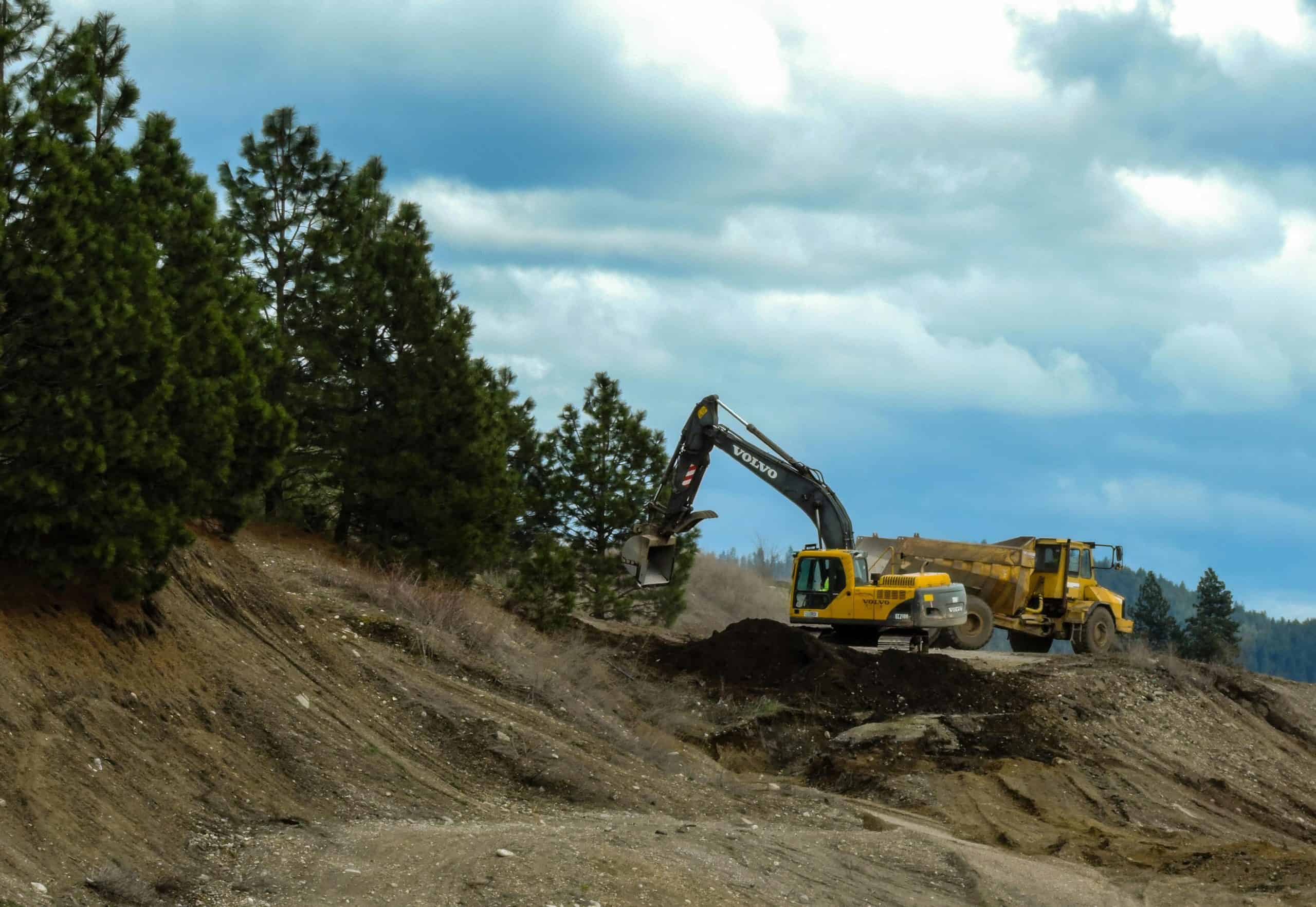
Ontario Nature, an environmental watchdog, drafted a detailed report on the province’s ecosystem in July, stating that if bulldozers get the go-ahead to push through protected wetlands to build infrastructure, there may not be much of a protected portion of the province left afterwards.
Both bills state in the fine print intentions of working with both environmentalists and Indigenous leaders to ensure any disruptions to land made in the name of progress won’t leave any permanent scarring.
However, not all are convinced.
“What we have been seeing is a real degradation of wetlands in Ontario over the last five years, which now just opens a door for more substantial loss to occur, which we cannot afford,” Sarah Hasenack, Conservation Campaigns Coordinator with Ontario Nature, told INsauga.com.
According to the report, southern Ontario has lost 70 per cent of its original wetlands, which puts the province at significant risk of damage caused by mass flooding events and invasive pollution if industrial projects are launched in certain areas.
INsauga.com contacted the Ministry of Natural Resources to gain insight into what is being done to ensure wetlands will not be further impacted by any projects given the green light by Bill 5.
“To be clear, Bill 5 made no changes to wetland protections. Additionally, under the changes introduced by Bill 5, proponents will still have to meet requirements to protect impacted species,” a ministry media representative told INsauga.com.
Despite goals of operating within policy, what Hasenack sees as the clear-cutting nature of Bill 5, coupled with already low standards for protection in Ontario, has her and her colleagues concerned about how the future will play out.
“There hasn’t been a lot of movement in recent years, at all. In Ontario, we are only sitting on 11 per cent of the province being recognized as a protected and conserved area, well below Canada’s national target, which is to protect 30 per cent of wetlands by 2030,” says Hasenack.
Provincial officials have launched incentives to meet standards, such as the $80-million Eastern Habitat Joint Venture, for the restoration of nearly 8.4 million hectares of habitat in Ontario, as well as the Wetlands Conservation Partner Program.
However, concerns linger for Hasenack as to what will garner the favour of the public, as both bills can sidestep environmental protections that exist within the regulatory framework. Concerns are heightened further by the fact that, given the ongoing cost-of-living crisis, trade war with the U.S. and state of housing, policies that favour economic progress above all else will likely see greater public support.
“The explanation for these policies has been around facilitating development incentives and addressing housing concerns, which are all very real and valid concerns, as we all need places to live and income to support ourselves. But our thoughts and understanding are that we need an ecosystem to support us while we do that — we can’t sacrifice the environment in order to advance,” says Hasenack.
Running parallel to environmentalists sounding the alarm are key leaders in Ontario’s Indigenous community.
With both Bill C-5 and Bill 5 presenting an apparent danger if left unchecked, critics such as Chiefs of Ontario — a coalition of high-ranking Indigenous representatives — released several joint statements regarding both legislations’ ability to shatter treaty protections.
The organization highlighted not only what it views as the dangers of the legislation, but also indicated that First Nations representatives in Ontario were blocked from speaking at committee hearings by the feds.
“The position of the government, as to why they would be kind of hand-waving any sort of conclusion, is that they don’t have to talk with us in any capacity until an official project starts. There’s no legal obligation to consult with any First Nations when something is in the legislative process,” Regional Chief for Ontario, Abram Benedict, told INsauga.com.
Both Benedict and additional Chiefs of Ontario won’t be contacted until projects get the go-ahead. Specifically, only at what Benedict refers to as “trigger points” — steps in project development that immediately impact water and environmental protections — will they be notified.
So, Benedict proposes a solution to ensure everyone is on the same page before projects are about to break ground.
“What has to be done is you have to bring everybody, including First Nations, treaty holders, rights holders, the government, regulators, townships and cities together so that solutions can be found with everyone at the table,” says Benedict. “Otherwise, with the way it is now, it is piecemeal, it moves along slowly and that’s what is going to frustrate folks.”
Correspondence between the Chiefs of Ontario and the government has remained stalled, resulting in special counsel operating on behalf of Indigenous land rights stepping in. On July 17, Canadian Prime Minister Mark Carney held a meeting in Gatineau, Que., the First Nations Major Projects Summit, to discuss the implications of Bill C-5.
For Kate Kempton, special counsel of Woodward and Company LLP, who has been working directly with the Chiefs of Ontario, the summit was more for appearances than anything.
“Well, some things were said at the summit, and they allowed some of those in attendance to say something back, but at the end of the day, it just felt like they were ticking boxes to say they had the discussion,” Kempton told INsauga.com.
This cavalier attitude by the feds, according to Kempton, has been the status quo throughout the process around C-5, as initial correspondence on the nature and implementation of C-5 — according to Kempton — was sent to First Nations leaders just weeks before it received final approval.
This, in tandem with the summit — initially scheduled for June and pushed back — added further insult to injury throughout the legislative process, with Kempton stating, “I think the Prime Minister got some very bad advice, and as to what happened with First Nations Chiefs was a performative pageant, where they were denigrated beyond belief.”
As a result, authorities like Benedict were not shy to tell INsauga.com that, due to this defining moment between the First Nations of Canada and the new Carney government starting on a shaky foundation, trust going forward is going to be hard to attain.
“Starting off with this tone of ‘this is how it is and this is how we’re going to do it’ is not a good start.”
As for future strategies in how to contest the current blueprint for Bill 5 and Bill C-5, the Chiefs of Ontario have arranged a Special Chiefs’ assembly next month, where further strategies will be discussed on how to communicate concerns with the government in a meaningful way.
A prospect that, for Kempton, can’t come soon enough. If nothing is done, she fears the fallout of legislation moving forward without a new plan will cause lasting damage down the line.
“If you do things in haste, without understanding or accounting for it, you end up paying more to clean it up than you would to prevent it.”
PollView All
WIN A $100 GIFT CARD
Subscribe to INsauga’s daily email newsletter for a chance to win a $100 Amazon gift card.