
On a hot and sunny day in July, crowds gathered to celebrate the much-anticipated opening of Toronto’s biggest waterfront park in a generation. Now, a few months after welcoming residents and visitors to scale the massive owl, ride two ziplines, and hike the brand-new trails, the city is preparing to open the second part of the expansive park.

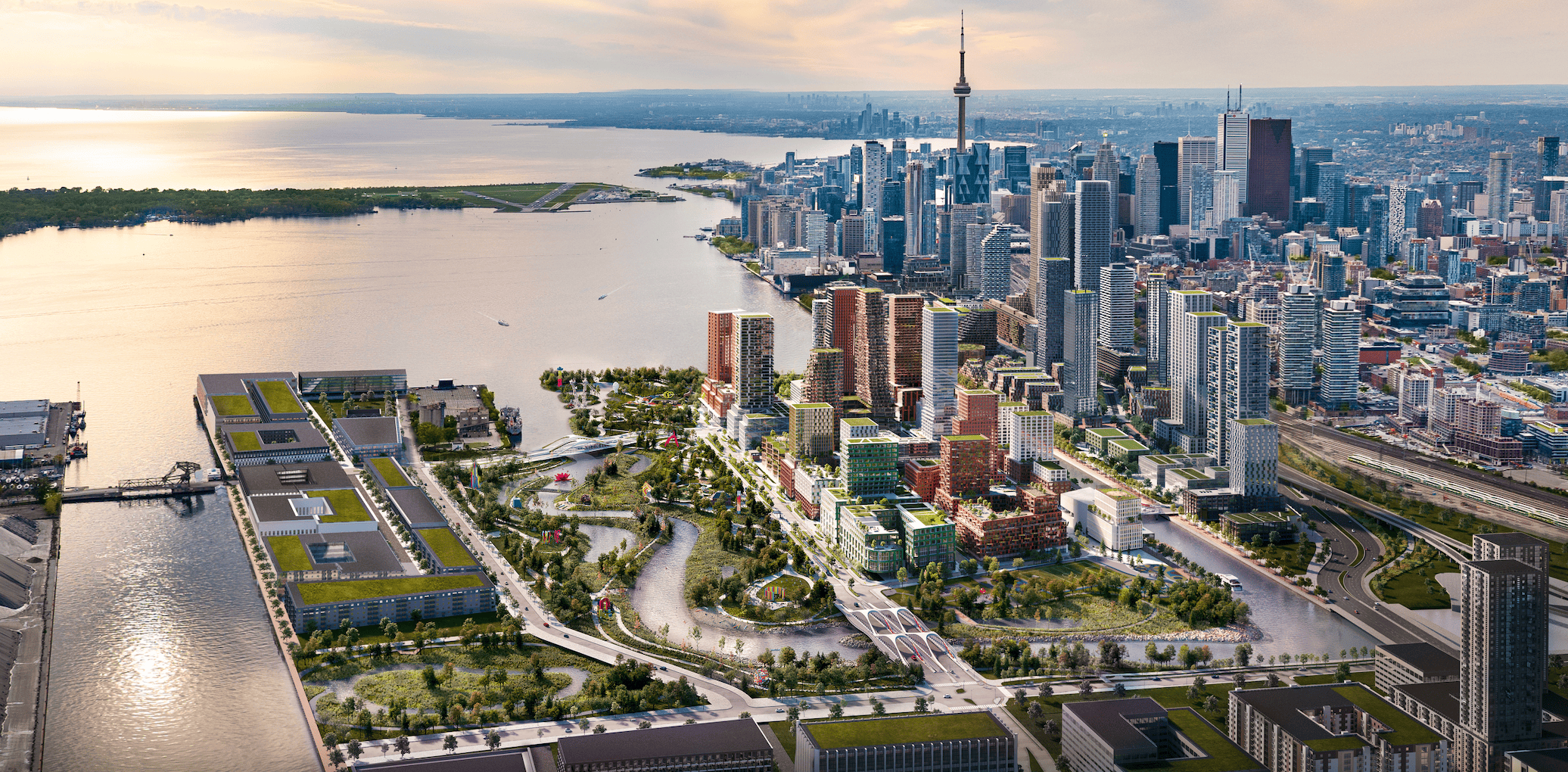
The final portion of Biidaasige Park, expected to open in the summer of 2026, will include the Lassonde Art Trail (LAT), the first art park of its kind in Canada. The trail will be a significant new addition to the park, a massive recreational destination and the first public space to open on Ookwemin Minising.
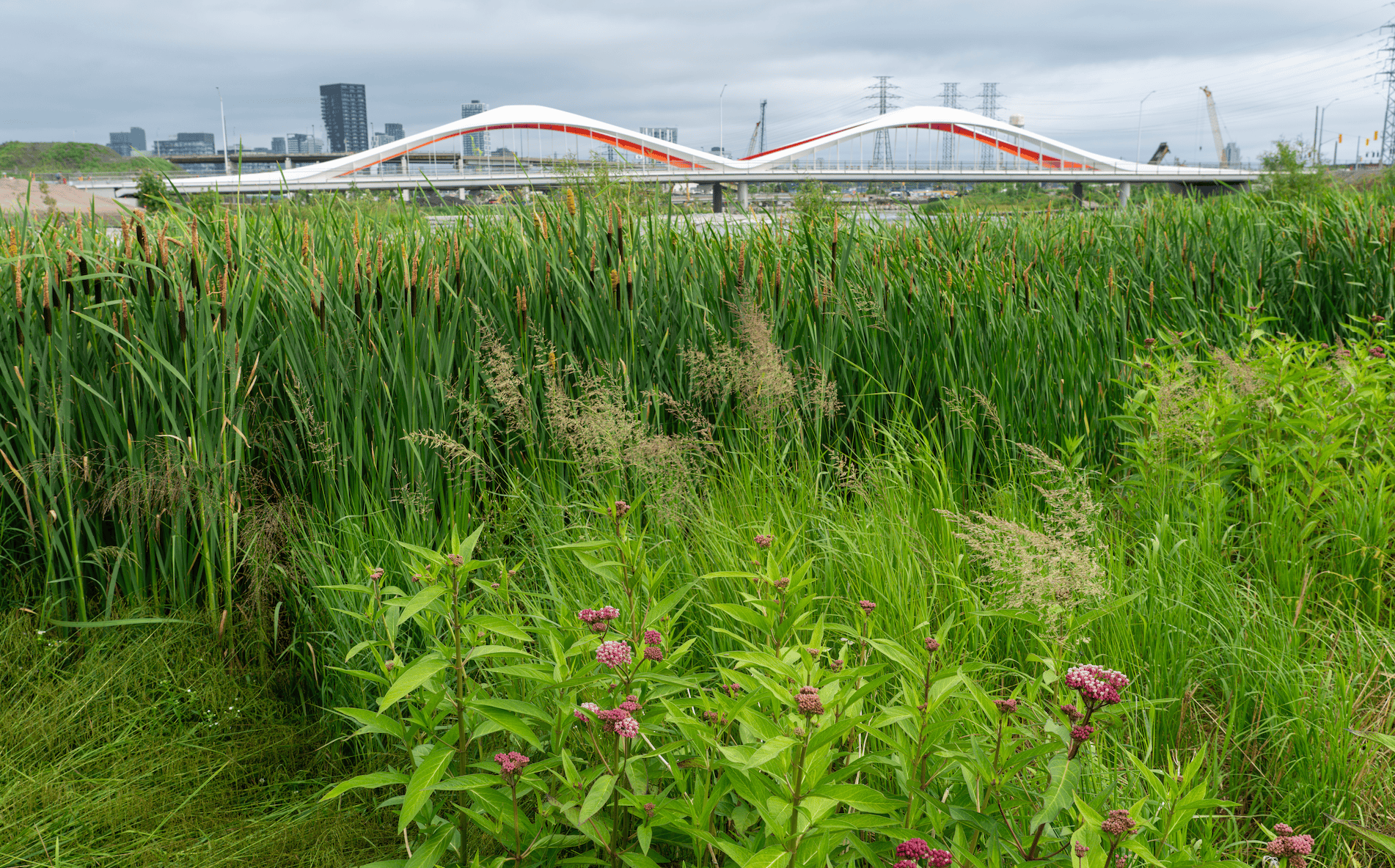
Ookwemin Minising (formerly known as Villiers Island) is a new island in the Port Lands–located where the Don River meets the lake–created by ongoing flood protection and river restoration projects in the area. The Port Lands Flood Protection project aims not only to protect existing communities but also to create a new one by building a new river valley through the Port Lands and renaturing the river’s mouth.
Once complete, the 98-acre island will boast 50 acres of parks and 80 acres of parks and green space (including the river).
The LAT, which will span over four kilometres, is part of the substantial $1.4 billion project and will be free to visit. Billed as an “open-air cultural experience,” the trail will feature 15 interconnected public art sites throughout Biidaasige Park.
Once open, the trail will include renowned Canadian artist Kent Monkman’s first permanent public sculpture, Monira Al Qadiri’s monumental work First Sun (direct from NYC in partnership with Public Art Fund), and a sculpture by Tracey Emin on loan from the National Gallery of Canada.
“We had very much been thinking about how we could bring amazing and, let’s just say, world-class art or a really exciting art layer to that [space], Chloë Catán, executive director at the LAT, tells INsauga.com.
While the new island has been in the works for several years, the LAT’s official website says Waterfront Toronto, an organization that works with government and other stakeholders to revitalize the lakefront, recently envisioned an artistic component to the future community.
The LAT website said that in 2022, philanthropist Pierre Lassonde was invited to view progress on the site and committed a $25 million gift to realize the organization’s vision. The funding includes $10 million for two permanent destination artworks that will be gifted to the city’s Public Art and Monuments Collection and $15 million to sustain programming over the long term.
November Paynter, artistic director and chief curator with the LAT, says the organization is looking 20 years into the future.
“We’ve been working on not just the opening program, but thinking about going forward because a number of the works are temporary. So actually, we’re looking at a 20-year-plus program,” she tells INsauga.com.
Paynter, who has previously held curator roles at the Museum of Contemporary Art in Toronto, the Queensland Art Gallery in Australia, the Philadelphia Museum of Art and the Tate institution in London, England, says the LAT is commissioning local and international artists to make new works for the trail.
“We’re loaning works from major museum collections, such as the National Gallery and we’re also commissioning a number of projects with other organizations, including the Public Art Fund in New York. We’re really thinking about a number of different approaches to make sure it’s a really varied program.”
While Monkman’s piece is one of the highlights of the LAT, the trail will also feature works by artists from Canada and abroad, including Alexa Kumiko Hatanaka, Alexandre Arrechea, Caroline Monnet, Dean Baldwin Lew, Hank Willis Thomas, Kara Hamilton, Lisa Hirmer, Monira Al Qadiri, Nadia Belerique, Tony Romano, Oluseye, Ryan Gander, and Tracey Emin.
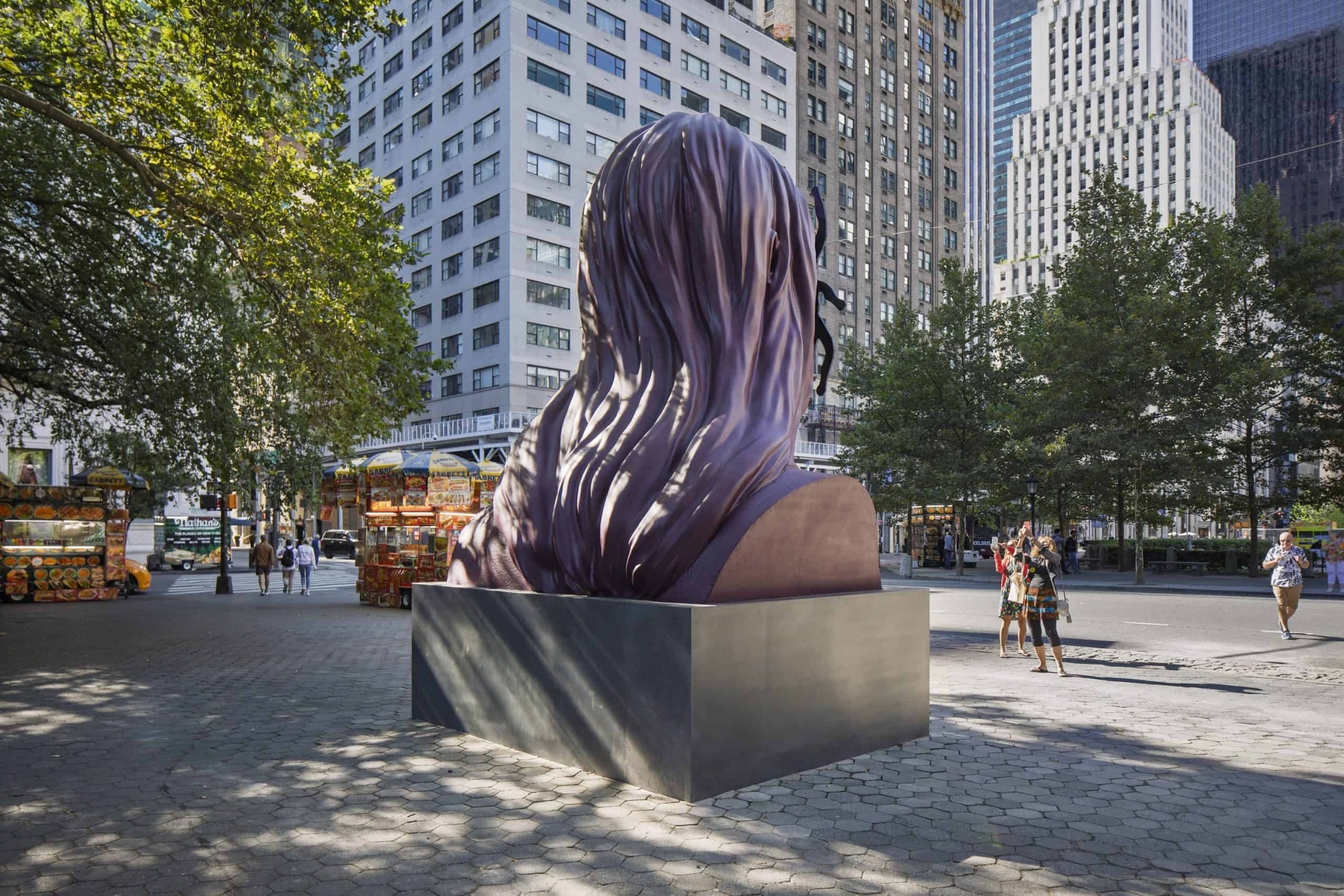
First Sun by Monira Al Qadiri
A newly commissioned permanent destination sculpture by Portuguese artist Joana Vasconcelos will follow in 2027.
For Catán, the connection with New York City is striking because, much like the famed Central Park, Biidaasige Park is quickly becoming a sign of bold, realized ambition that draws people not just from Toronto but from around the world.
“Thinking about the two destination parks, Central Park and Biidaasige Park, they’re very different sites, obviously, but there are some similarities in that they’re major destination parks that are manmade and border the city and nature,” she says.
Since the LAT will be completely outdoors and open year-round, Catán says much thought had to go into what pieces can withstand the elements and also honour the spirit of the new park and island.
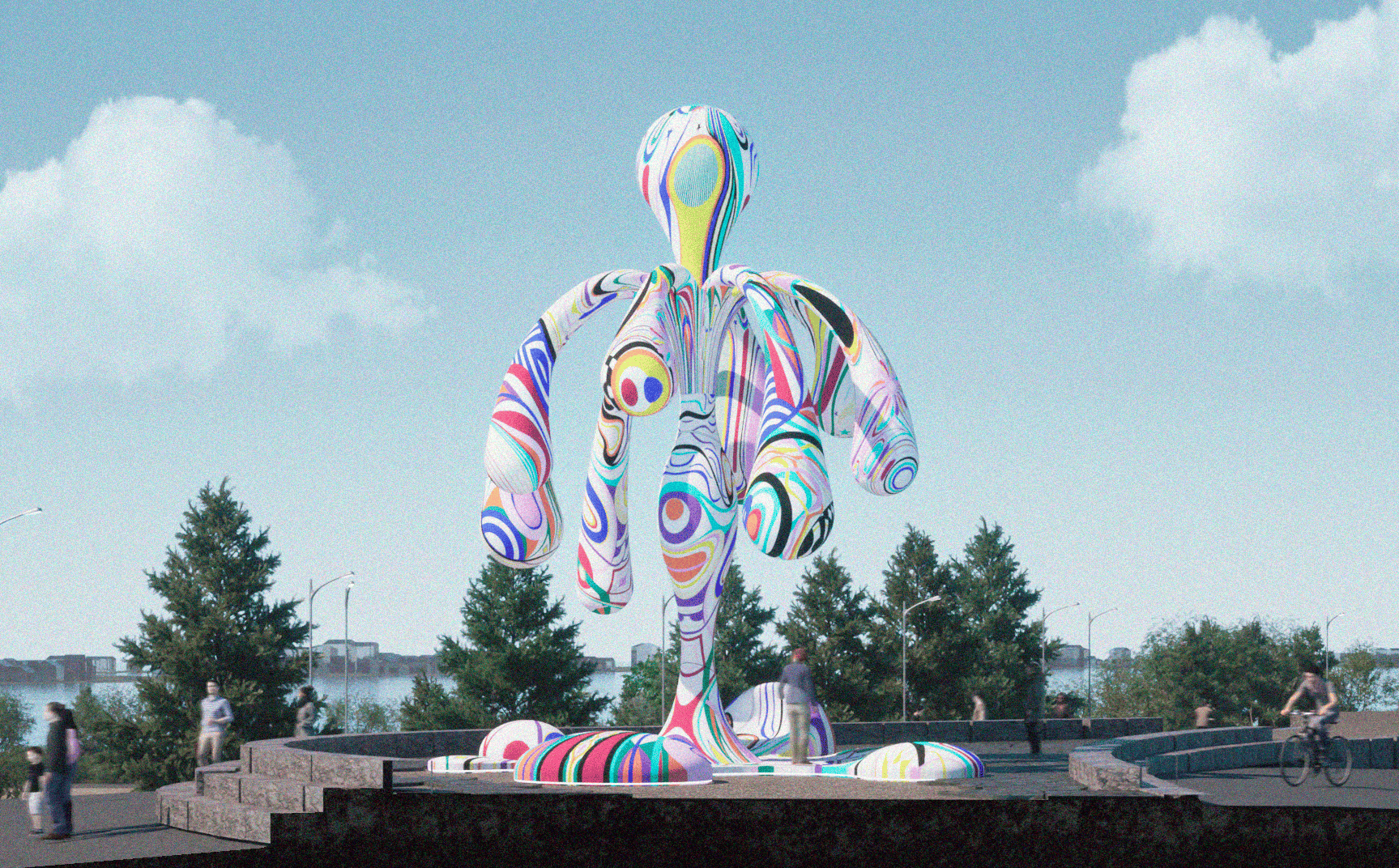
Rendering of Artemisa by Joana Vasconcelos
“With public art, we’re always thinking about how it’s going to endure the use and the weather. That’s just something that we think about right from the get-go, so we talk to artists about the materials they’re going to use,” she says, adding that they also work with the city to ensure pieces comply with public safety regulations (effectively ruling out the inclusion of anything spiky or sharp).
“But it’s a case of really thinking that through with artists, and really understanding the site, the use, how people walk through it. We also hope that if people really love the art and really feel connected to it, then they’ll also hopefully take care of it.”
To ensure upkeep, parks and recreation staff will regularly monitor the trail.
“We really want to make this art accessible year-round to anyone to go through it. Part of our mission is making museum-quality art accessible to everyone,” Catán says.
While Paynter and Catán say that the LAT is the first trail of its kind, they have drawn inspiration from other projects around the world.
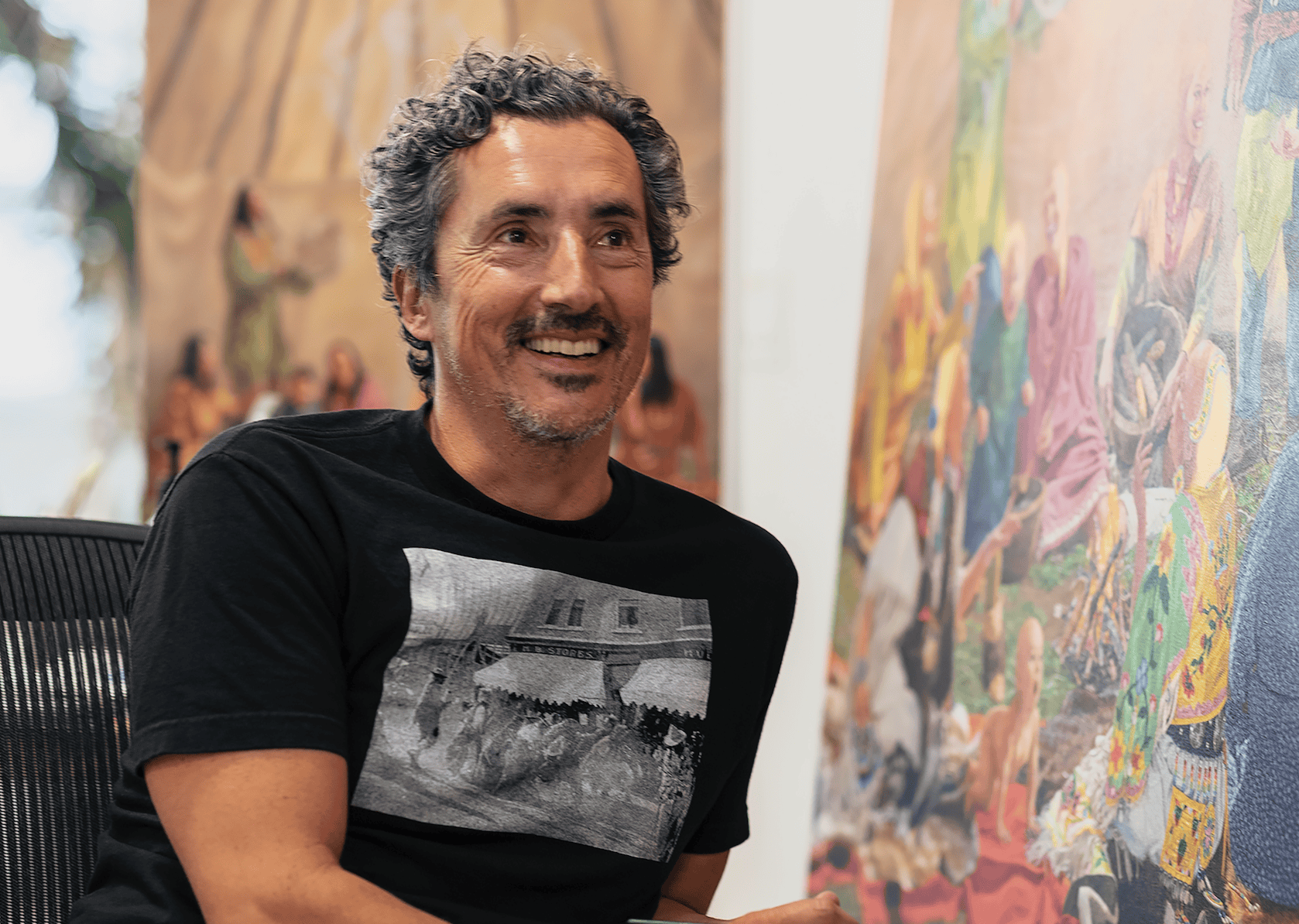
Cree-Canadian artist Kent Monkman
“We’ve been researching a lot in terms of precedence and talking to people all over the planet about their experiences,” Paynter says.
“There’s nothing that’s quite similar, but we’ve been looking at the Doris C. Freedman Plaza,” she says, referring to the temporary exhibitions that rotate in the Central Park space.
Paynter said they’ve also looked at an organization called The Line in London.
“We’re thinking beyond the sculptural pieces themselves; we’re talking a lot about how we can bring people along with us to explore the trail and talk about different aspects of the artworks,” Paynter says.
“You know, the thematics, the references in relation to the plantings and the flood protection. The Line in London has a really wonderful program where they do these kinds of tours and think about giving people an opportunity to gather and talk about art,” she says.
Catán says that once open, the LAT will offer a balance of local, national and international talent and will be a point of pride not just for Torontonians but for Canadians in general.
“It’s located in Toronto, but the way we’re thinking about it is really as a national asset. We’re thinking about the art trail as something for people who live locally and people who travel to the waterfront and use this lovely park system, as well as people from across Canada and who travel from abroad,” she says.
“Even though it’s very much a part of Toronto’s waterfront revitalization, I think, you know, we really want to see this as [something] for everyone.”
INsauga's Editorial Standards and PoliciesPollView All
WIN A $100 GIFT CARD
Subscribe to INsauga’s daily email newsletter for a chance to win a $100 Amazon gift card.