
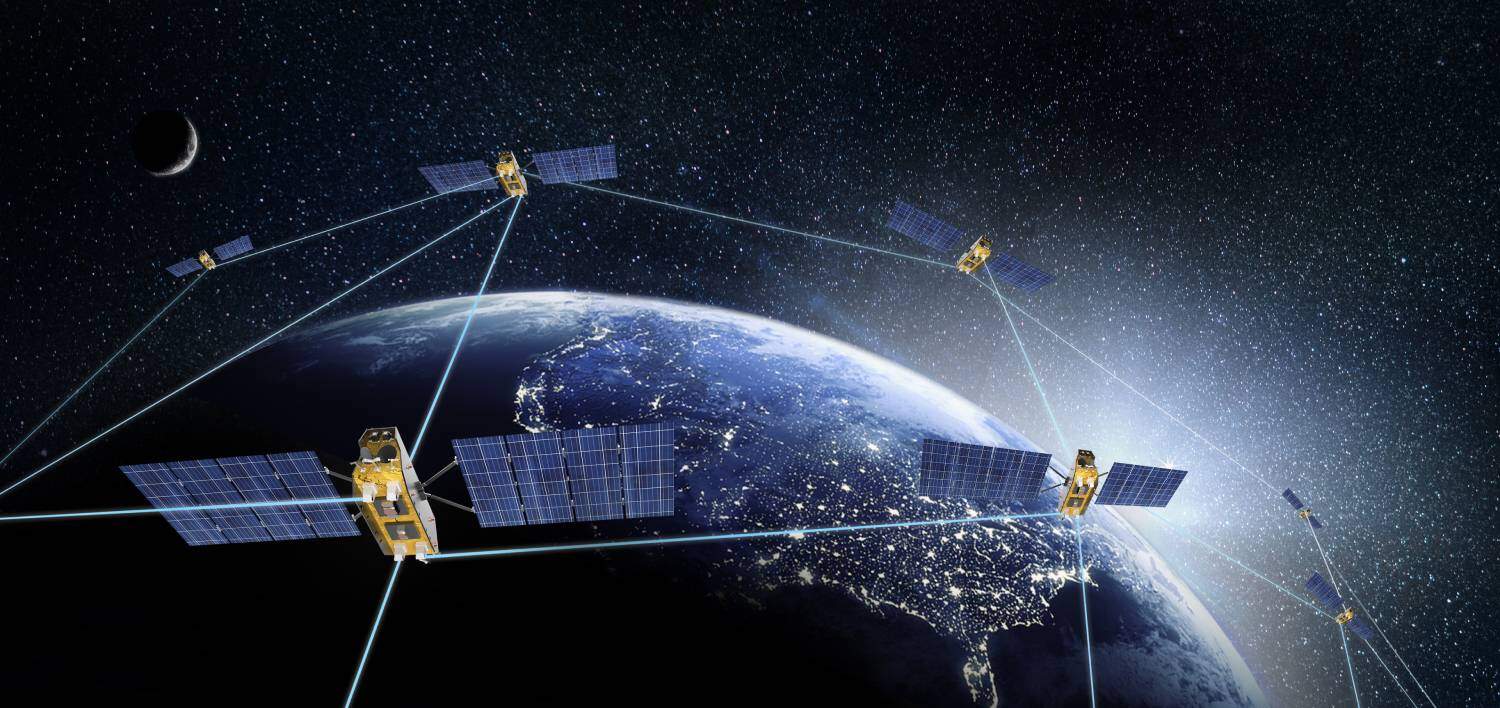
Brampton-based space tech company MDA Space will build and launch a new satellite as part of an Earth-observing network under a new $688-million contract.
Federal Industry Minister Mélanie Joly made the announcement this week that Brampton’s MDA Space Ltd. will build a “replenishment satellite” for the RADARSAT Constellation Mission network.
A constellation of three satellites that can scan up to 90 per cent of the Earth’s surface up to four times a day, the RADARSAT program uses a constellation of three satellites and will help support Arctic security, guide operations on the ground, and help Canadian officials respond quickly to emergencies.
“In an increasingly dangerous and divided world, Canada is investing in modern surveillance systems to detect threats earlier,” Joly said in a release.
MDA Space will build and launch the new satellite, which the Canadian Space Agency says is expected to be online in the early 2030s. Ottawa says the new satellite project is expected to create about 100 jobs for the duration of the project.
The company was founded in 1969 as a small start-up by John S. MacDonald and Vern Dettwiler in the basement of MacDonald’s Vancouver home and has since grown to become a space industry tech leader.
Operating out of its $100-million Brampton headquarters, MDA Space is an international space mission partner that landed a $1-billion contract for the next phases of Canadarm3, and is also part of the Lightspeed LEO (low Earth orbit) satellite constellation project – a network of 200 satellites.
MDA has also worked with the Canadian government to keep an eye on the military movements of Russia during the invasion of Ukraine.
Jean-Claude Piedboeuf, the Canadian Space Agency’s acting president, says the satellite uses radar technology, which allows them to see through clouds, rain and snow.
READ MORE: U.S. telecom company scraps $1.3B satellite contract with Brampton space robotics firm
He described Canada as a world leader in developing the technology, which is used for monitoring remote regions such as the Arctic, as well as agriculture and defence activities.
He says that while Canada partners with other countries to share Earth observation data, it needs its own satellites to direct.
“It’s important to be able to task the satellite and to decide where you want to take an image and to who you are sending the image,” he said.
The announcement is part of the country’s defence industrial strategy, “where Canada needs sovereign access to this critical data of Earth observation,” he said in a phone interview.
He said that’s especially crucial for operations such as monitoring sea ice for ship navigation, detecting illegal ship traffic, or defence purposes.
– With files from The Canadian Press
INsauga's Editorial Standards and PoliciesPollView All
WIN A $100 GIFT CARD
Subscribe to INsauga’s daily email newsletter for a chance to win a $100 Amazon gift card.