
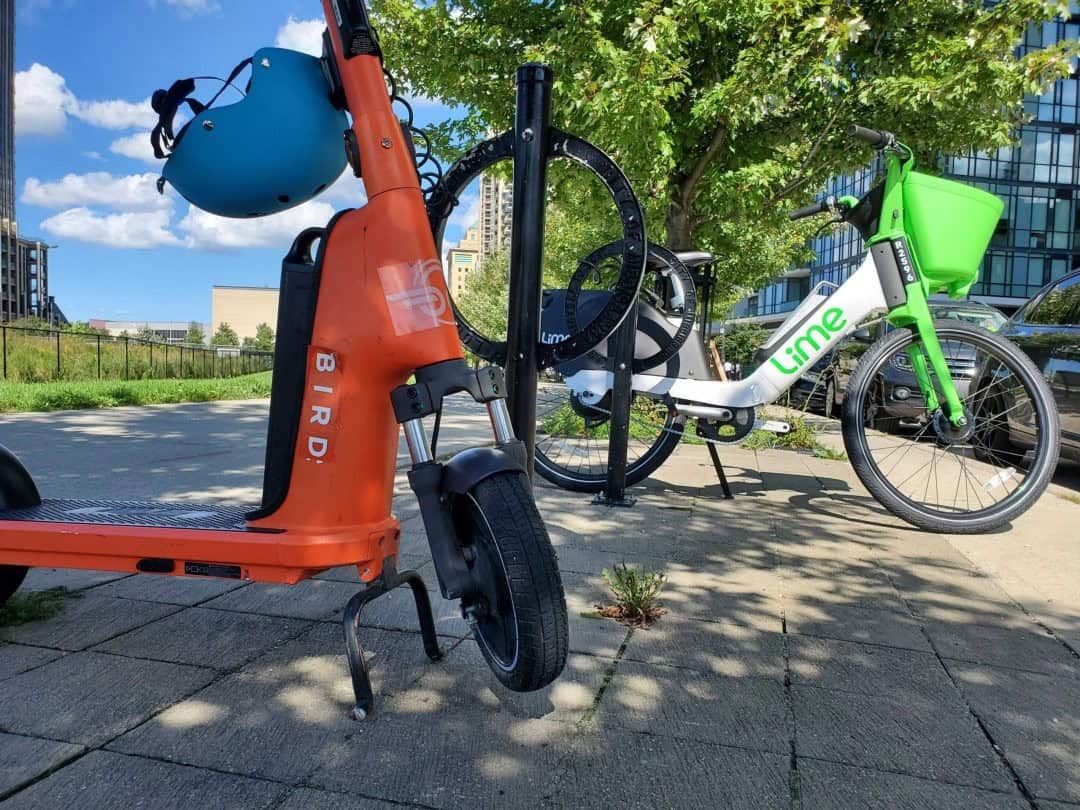
If issues that have plagued Mississauga’s electric scooter and electric bike program since its launch last summer aren’t fixed this year, the mayor says she’s prepared to scrap the whole thing in 2026.
Mayor Carolyn Parrish’s declaration came Wednesday as councillors and senior city staff discussed ways to improve the shared micromobility initiative as it enters its second year. City officials plan to get the e-scooters and e-bikes on the road again this month for people to rent.
Sidewalk riding and issues related to parking the e-scooters and e-bikes were chief among complaints during the program’s first year — complaints from residents, councillors and the mayor of Canada’s seventh-largest city.
Last December, Parrish said publicly she wanted to scrap the city’s first shared micro-mobility program, which launched last June 21.
In a scathing rebuke at that time, she described the program’s inaugural season as “chaotic, ugly” and resembling “some crazy experiment” that’s not working.
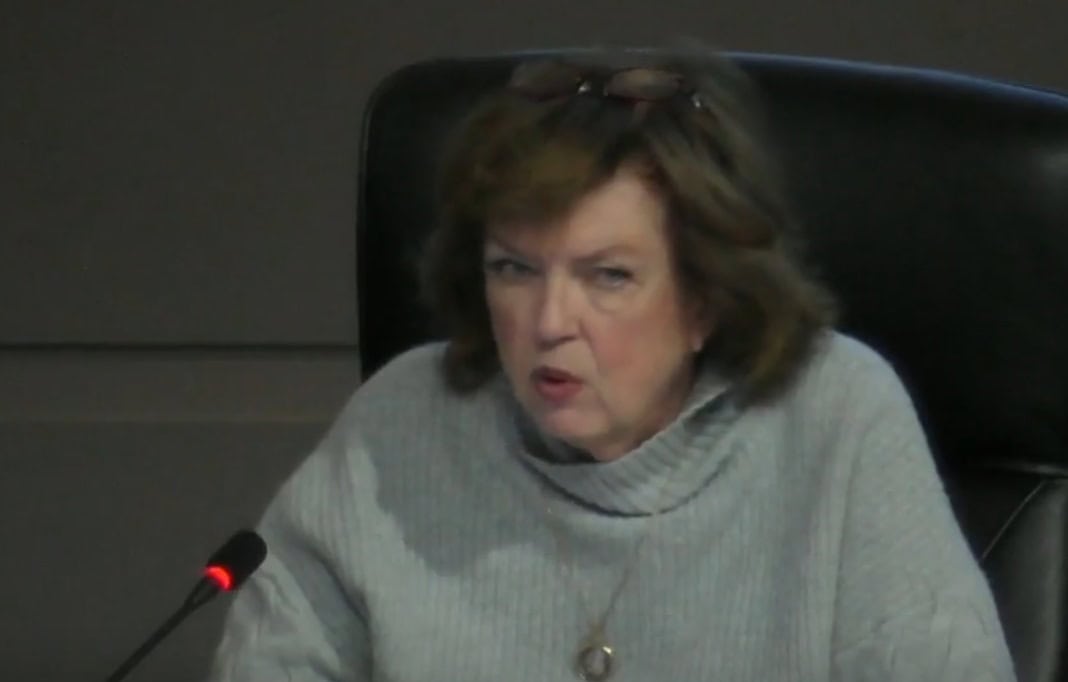
Mayor Carolyn Parrish says the e-scooter and e-bike program should be done away with if it’s not done right.
While she’s willing to give the program a chance, Parrish’s words this week indicate she’s still not a big fan of the idea.
Specifically, she spoke to part of a proposed year two plan from city staff that would allow people who rent the scooters and bikes to more conveniently park the devices closer to their final destinations in areas known as “free-floating zones.”
Under staff’s proposal, such parking areas would complement “mandated parking-only zones,” which would be created in all five BIAs, the City Centre and the Lakefront Promenade district. Those would be areas where riders must end their trips and park the scooters or bikes.
Parrish, in strongly supporting Ward 8 Coun. and Deputy Mayor Matt Mahoney’s stated opposition to the “free-floating zones,” said each councillor should be able to decide where in their ward the scooter/bike docking stations are located.
“They know their wards better than anyone,” argued the mayor, who then turned her attention to this year’s planned fixes and the future of the program.
“If it doesn’t work, one year from now it’s over as far as I’m concerned,” said Parrish. “If we can’t get it right and we can’t keep all our councillors happy and all our populations happy, why are we doing this?”
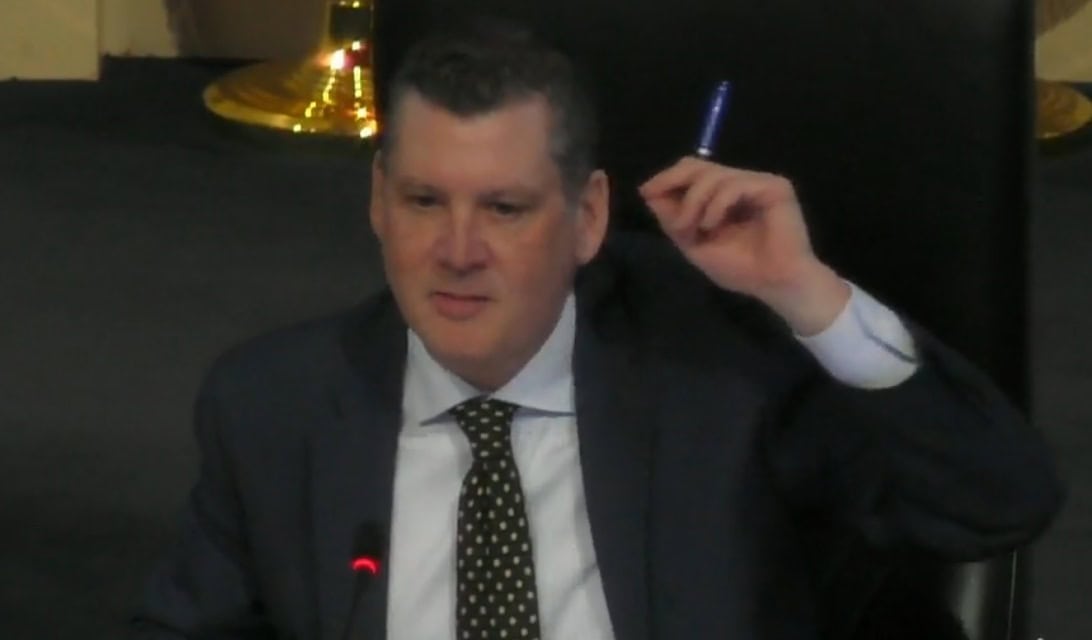
Ward 8 Coun. and Deputy Mayor Matt Mahoney supports the program, but says the parking issue needs to be addressed.
Mahoney, meanwhile, said he supports the program but not the concept of “free-floating zones.”
“I think this is a tremendous program; I want to see it work. I’m not against the concept of micromobility and I understand all of the benefits there. It’s just not one size fits all,” he told councillors and staff. “… I’m struggling with supporting the free-floating zones … (the scooters and bikes are) going to be everywhere again and I don’t see it fixing the problem.”
Ward 7 Coun. Dipika Damerla wondered if the city’s plan to double fines for those who break the rules on e-scooters and e-bikes will work as a deterrent.
“I do still worry that the nuisance factor is going to continue to be high because it seems to me that it’s a $20 fine (now) … and I don’t know how punitive that is … is that a big deterrent?” she asked.

Ward 7 Coun. Dipika Damerla wonders if $20 fines instead of $10 fines will act as a deterrent to rule breakers.
Upon its summer 2024 launch, the program made as many as 300 electric pedal-assist bicycles (e-bikes) and 900 electric kick-style scooters (e-scooters) available for people to rent and use at various places including parks, the downtown core and other neighbourhoods throughout the city.
The scooter/bike initiative encountered some major growing pains as detailed by several city councillors at a meeting last September.
During the first few months of the program, a number of the rented scooters were abandoned in various places in the south end of the city near the waterfront, prompting Ward 1 Coun. Stephen Dasko to say he’d “lost count of how many complaints I have received.”
Others, meanwhile, were being left at bicycle racks where they took up space at the expense of bikes, he added at the city council meeting back in September, further describing the situation as “an ongoing battle.”
Since then, the city and its partners in the program — Bird Canada and Lime Canada — have taken a long look at the initiative’s first year with an eye toward significantly improving things in year two.
In addition to increased fines and better parking facilities, the program in 2025 will see faster response times in picking up abandoned/illegally parked e-scooters/e-bikes, city officials say.
120,752 trips taken
City staff said in its inaugural year, the micromobility initiative saw a total of 120,752 trips taken on e-scooters and e-bikes by 45,419 unique riders.
Of all trips taken, 13 per cent originated from one of the city’s handful of business improvement areas and another 13 per cent ended in one of those areas.
“Other high-traffic origins and destinations included transit terminals, shopping malls, residential towers and parks,” city staff said in a report.
In its conclusion, the report stated the 2024 season “achieved significant ridership” and that “notably, approximately nine per cent of riders were repeat riders who have completed more than five trips with a single service provider, demonstrating the program’s growing adoption as a reliable transportation option.”
Riders last year “utilized the program to access key destinations across Mississauga including transit hubs, business districts and recreational areas, highlighting its role in enhancing connectivity and supporting multi-modal travel.”
Under the program, the 900 e-scooters and 300 e-bikes are parked at more than 600 approved designated locations and locked to poles, signposts or bike racks until they are rented.
(Cover photo: City of Mississauga)
INsauga's Editorial Standards and PoliciesPollView All
WIN A $100 GIFT CARD
Subscribe to INsauga’s daily email newsletter for a chance to win a $100 Amazon gift card.