
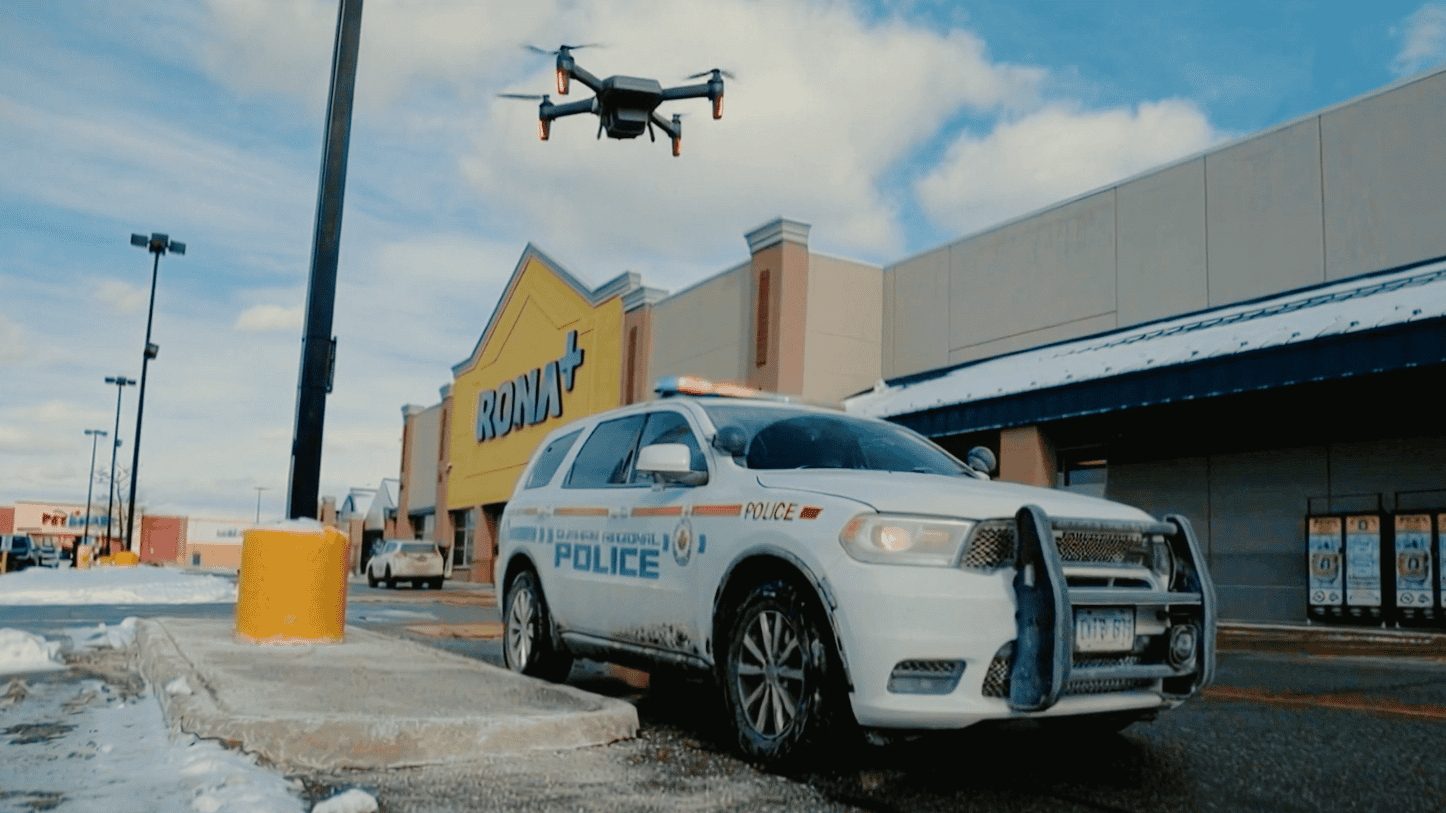
A Drone as First Responder (DFR) pilot program introduced as a pilot project in February is moving into Phase II, marking the next stage of this innovative program supporting frontline emergency response.
The program goes live on Saturday following several months of operational testing, with the drone project actively responding to support community safety across Durham Region.
DFR Remote Pilots-in-Charge will operate out of a Real Time Operations Centre, providing immediate aerial support to frontline officers responding to emergency calls. This capability allows officers to receive real-time overhead information prior to arrival, enhancing situational awareness and supporting safer, more informed decision-making.
Drone First Responder programs have been used successfully by police, fire, and emergency medical services across the United States, with Durham among the first police services in Canada to explore the drone model.
DRPS will evaluate the effectiveness of the program throughout the summer deployment to determine its long-term value for the region.
Remotely piloted drones will be able to respond to certain emergency calls in about 60 seconds, giving officers real time situational awareness before they arrive on scene.
Chief Peter Moreira emphasized the drone will not be used for general surveillance and does not use facial recognition software.
The drone, he said when the pilot program was launched, will only be launched for specific emergency or operational incidents and will operate under all Transport Canada and privacy regulations and legislation.
The technology will support high risk calls, missing persons investigations, large or evolving incidents, natural disasters, and situations where rapid aerial information improves safety.
“This initiative will allow remotely piloted drones to be deployed from strategic locations across our region, giving our service and our emergency service partners, a new tool to respond to major incidents quickly and effective,” Moreira said, adding that swifter response time will “save more lives.”
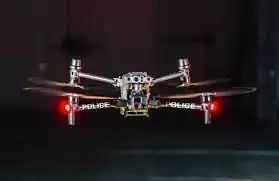
The DFR program has the potential to support:
- Rapid response from call receipt to ‘on scene overhead’
- Enhanced situational awareness for responding officers
- More effective and efficient deployment of police resources
- Search capabilities for suspects, victims, and missing persons
- Increased accountability and transparency, complementing body-worn camera footage
The program will only be used to respond to serious calls for service. It is not used for surveillance or random patrol. Deployment criteria include:
- Priority 1 emergency calls involving a high threat of physical harm
- Priority 2 urgent calls involving a moderate risk to safety or property
- Crimes in progress where suspects are on scene or evidence may be lost
- Other calls at the discretion of the Regional Duty Inspector
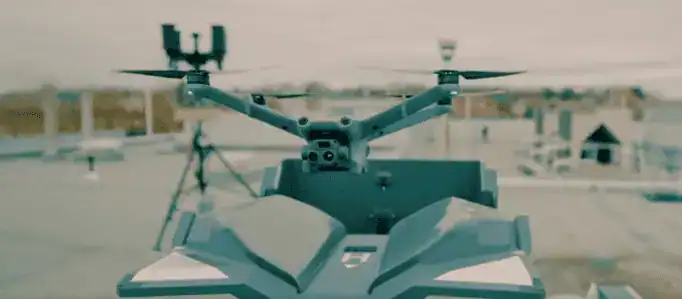
During Phase II, the drones will deploy from dock stations strategically located across the region., with the locations selected based on calls-for-service and crime data, airspace and safety considerations, and the availability of suitable installation sites.
Throughout the summer deployment period, DRPS will continue to evaluate all aspects of the program, including site placement, operational effectiveness and impact on community safety.
The data gathered during this phase will support an evidence-based decision on the future of the DFR program, including any potential expansion.
PollView All
WIN A $100 GIFT CARD
Subscribe to INsauga’s daily email newsletter for a chance to win a $100 Amazon gift card.