
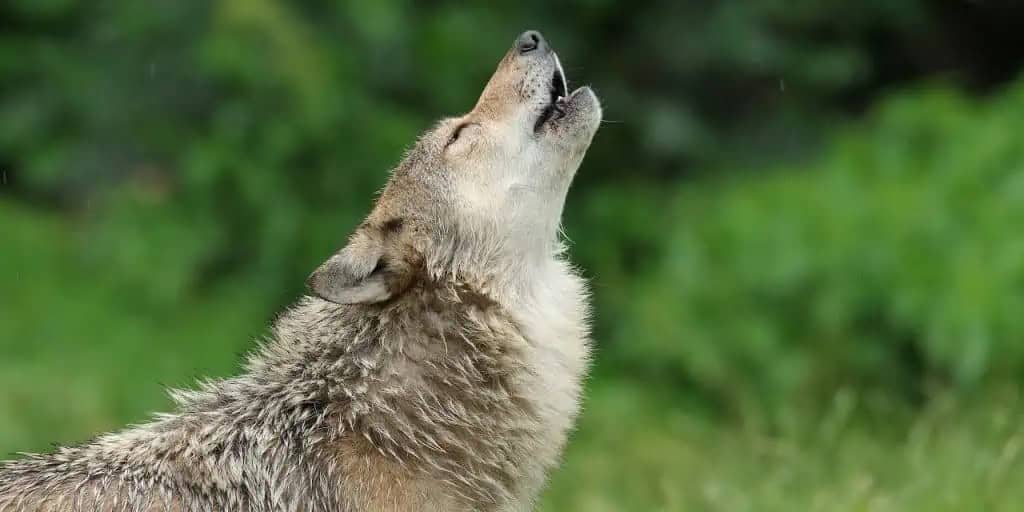
Coyotes have been making themselves at home during the day at school playgrounds in a west-end Mississauga community, forcing kids to stay inside for recess time on numerous occasions, the city councillor for the area says.
The significant increase in the daytime presence of the wild animals the past several months has Ward 6 Coun. Joe Horneck pleading with residents to “please stop feeding the coyotes, folks.”
The councillor has reached out to City of Mississauga Animal Services staff for guidance and he’s hosting a coyote information session Thursday night at Springfield Public School, on The Credit Woodlands north of Dundas Street West.
Horneck said the meeting is “mostly for the students” as they’re the ones dealing with the coyotes showing up at their schools and on their play turf.
“Sadly, we are seeing a number of people in the community feeding coyotes and I can’t tell you in the last two to three months how many recesses have been cancelled now at local schools for the coyotes hanging out in the playground,” Horneck told city staff and fellow councillors at Wednesday morning’s general committee meeting. “It’s not good, it’s not OK … I’ve got coyote problems that I’m having trouble dealing with.”

Ward 6 Coun. Joe Horneck, shown here at Wednesday’s general committee meeting, says schools in his ward have a coyote problem.
Mississauga officials have been trying to get people to stop feeding coyotes and other wild animals for many years now, their public messaging campaign ramping up significantly the past three years or so.
In early December, the city noted coyotes in Mississauga and other urban locations across the Greater Toronto Area are eating more human food and litter these days. Those feeding habits, they warn, can prove dangerous to both the wild animals and people.
“Coyotes that eat human food may be more likely to act aggressively, become sick or die. Their search for easy meals results in more frequent and potentially dangerous encounters with humans,” city officials said at the time.
Officials added the situation is worsening, observing “nowadays, urban coyotes consume twice the amount of human food compared to coyotes living in rural areas, who still hunt for food.”
The early December caution from the city was the latest in an ongoing social media and in-person education campaign that for the past several years has attempted to deliver the simple — and necessary, officials say — message to Mississauga residents: don’t feed the coyotes.
The city says it’s not only the intentional feeding of coyotes and other wild animals by some residents that poses a problem, but the unintentional provision of human food and litter as well.
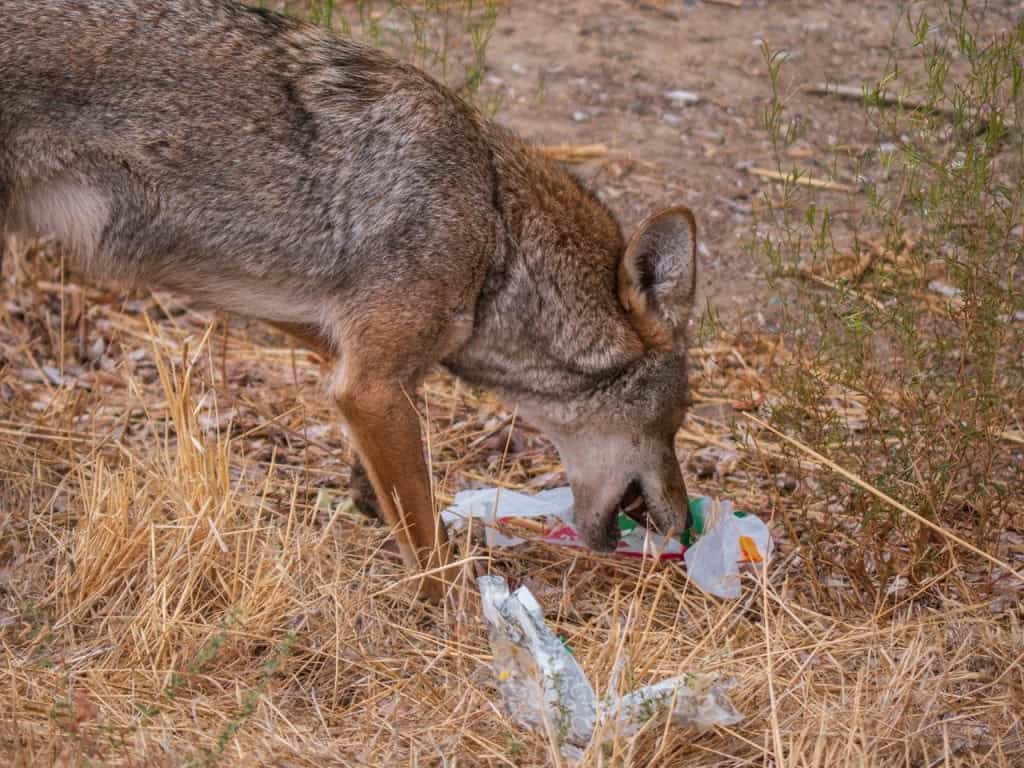
Items of food and other waste not properly secured in residential compost, recycle and trash bins are easily accessed by the prowling critters, who over time learn it’s easier to grab human food in such ways rather than hunt their natural prey, officials explain.
Coyotes can also be spotted wandering through city parking lots in search of discarded food and other items.
“Coyotes living in urban areas like Mississauga are increasingly turning to scavenging for human food and litter as a common food source instead of hunting small prey or foraging for fruits and nuts,” the city said. “Many are often mistaking litter for food, consuming things like plastic bottle caps, food wrappers, leftover scraps and coffee cups. This type of diet can make coyotes very sick, cause malnutrition and lead to aggressive behaviour.”
Mississauga Animal Services officials note that while coyotes are strong predators, “hunting for prey can be challenging, leading some urban coyotes to adapt to new food sources that require little hunting and effort to satisfy their hunger. Instead of hunting small mammals or foraging for nuts and fruits, some coyotes have developed a taste for human food, particularly highly processed food like fast food, junk food and sweets. Many urban coyotes can’t distinguish between food and what is not food — like bottle caps, pop can tabs, food wrappers and containers or plastic bags.”
The city says coyotes also play an important role in controlling the population of rapidly reproducing mammals like mice, rabbits and rats, so it’s crucial they continue to hunt those animals instead of seeking out human food and garbage.
City officials say residents have a big role to play in keeping coyotes focused on their natural prey instead of taking up the hunt for human food and litter.
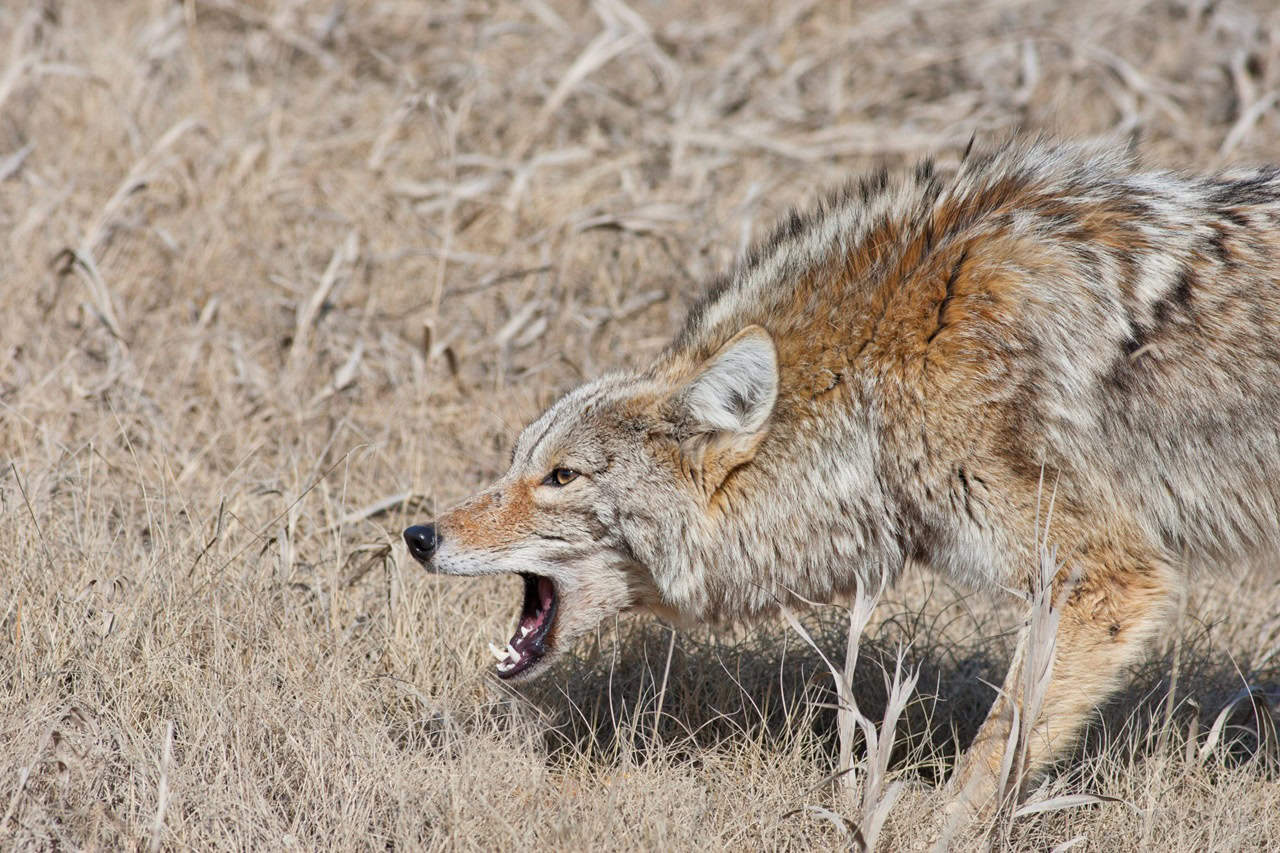
(Coyote photos: City of Mississauga)
“By making our neighbourhoods less appealing to coyotes, we can encourage them to remain in natural urban areas and encourage them to return to their carnivore diets,” officials said.
The city says residents should:
- secure garbage and compost bins to prevent easy access
- remove all potential food sources from your property
- not feed coyotes
- not litter food items, wrappers and containers
- wash food items thoroughly before putting them out for recycling
- keep pet food and water bowls indoors
- remove ripe fruit from trees and fallen fruit from the ground on your property
- avoid leaving large amounts of birdseed on lawns
“Coyotes are usually timid and avoid humans; however, they become more comfortable around people the more they are fed, which can lead to a bigger chance of encounters and interactions with them,” city officials say. “As more urban coyotes rely on scavenging than hunting, many need to teach their pups how to hunt for prey rather than how to find human food. By cutting off access to human food sources and maintaining a respectful distance, we can easily encourage coyotes to go back to hunting in their natural habitats and eating a carnivore-style diet high in protein.”
PollView All
WIN A $100 GIFT CARD
Subscribe to INsauga’s daily email newsletter for a chance to win a $100 Amazon gift card.