
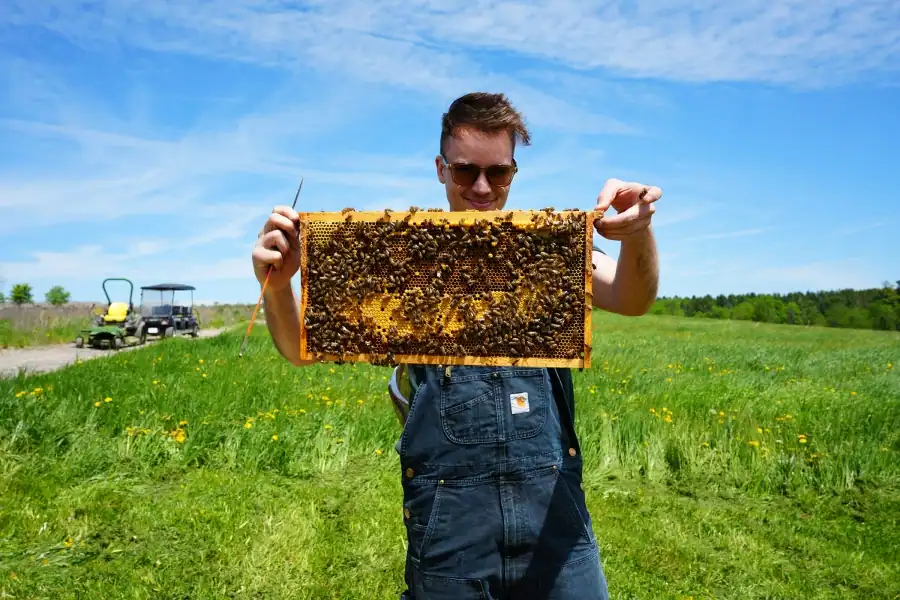
Something sweet is buzzing above ground at four cemeteries in the GTA, the “perfect place” for honey bees to thrive, thanks to a very engaged beekeeper and educator and some very quiet neighbours.
The Mount Pleasant Group has introduced hives to four of its properties: Duffin Meadows Cemetery in Pickering, Pine Hills Cemetery and Funeral Centre in Scarborough, Meadowvale Cemetery, Cremation and Funeral Centres in Brampton and Prospect Cemetery in Toronto.
In charge of the sweet operation is Dan Macgregor – known as The Beekeeper Dan – who has been working with bees and educating people on nature’s perfect pollinators for the past six years.
“The initiative with the hives and Mount Pleasant Group is to engage, educate, and excite groups about pollinators.” MacGregor said, noting there are more than 4,000 different types of bee species living in North America that are “essential” to ecosystems and overall biodiversity. “I find that honey bee hives are a great introductory species to the magical world of bees.”
Macgregor called cemeteries the “perfect place” for hives, especially if educating human on the benefits of having bees around is part of the package.
The cemetery locations are accessible to groups to come out, learn, and see them, but tucked away so that they’re left to themselves to flourish, he explained. “Honey bees can fly five kilometres away from their hives to collect resources – pollen and nectar from flowering plants and trees – and the Mount Pleasant Group cemeteries have tons of flowers and forage for them to visit and pollinate.”
The journey started with a simple but powerful idea and from there, it quickly took root. Bee hives align closely with the company’s strategic plan and environmental goals, reflecting a long-term approach to environmental stewardship and ecosystem health across its properties.
The new initiative brings bees into spaces shared with people to draw attention to pollinator biodiversity, educate communities and activate underused areas in a “meaningful and memorable way.”
“Beekeeping draws attention to pollinator biodiversity and ecosystems in addition to providing pollination services,” said John Perrotta, Mount Pleasant Group’s Director of Property Services. “Pollination contributes to the growth and health of crops and wildflowers.”
Just as important, the hives create new opportunities to bring people together.
“The beehives are also an excellent community‑building initiative,” he added. “We will be partnering with The Beekeeper Dan to hold educational workshops at some of our sites for visitors and community members.”
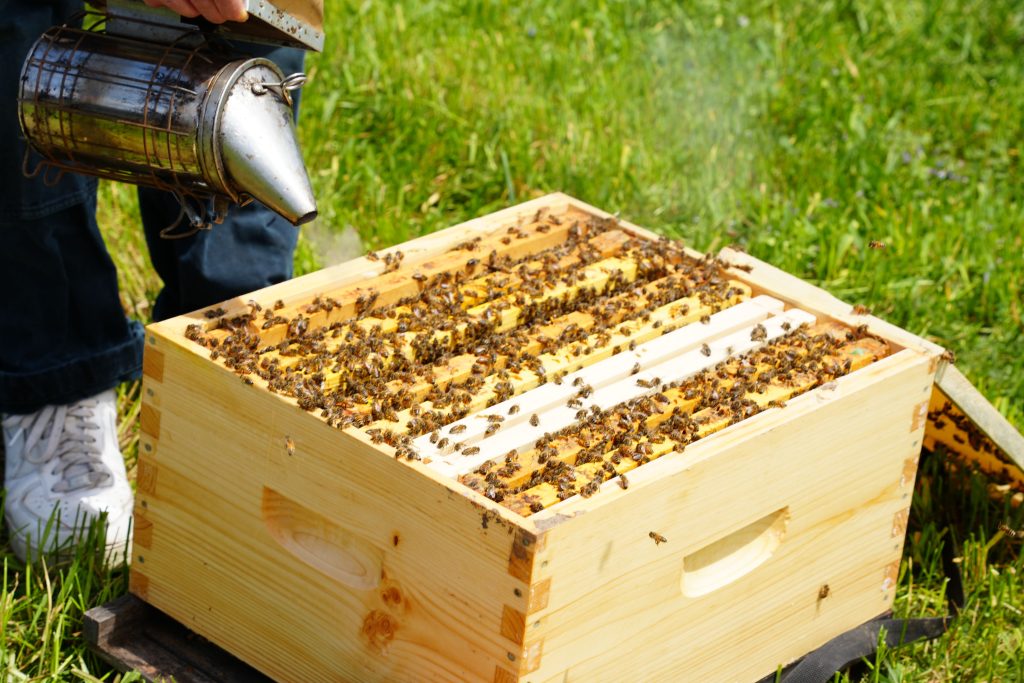
The community workshops are designed to engage and educate people of all ages about urban agriculture and urban greening and how small actions can support local ecosystems.
Workshops will be interactive, hands‑on and fun, turning learning into an experience rather than a lecture, with the sessions including:
- Meet the Hive – An introductory honey bee workshop, either at the hive or in a lunch‑and‑learn format
- Wild Bee Workshop – A look beyond honey bees to explore wild bees and urban greening initiatives
- Seed Ball Activity – Make seed balls using wildflower seeds to support pollinator gardens
- Honey Extraction Workshop – Extract and jar honey frames at the end of the season
- Bee Trivia – A group trivia session all about bees
- Beeswax Candle Making – A seasonal beeswax candle‑making workshop
Each session offers something different, but all are designed to inspire curiosity, connection and care for the natural world.
And yes, there will be honey, with the season wrapping up with honey harvesting in late August to early September.
Marketing the honey, however, is not part of the deal. In fact, MacGregor said, whatever honey can fit back in the hive top tide the bees over during the cold months will be given back to the product creators.
Mount Pleasant Group will get the excess honey the bees generate at the end of the season – about 50 jars is expected, each branded with MPG’s 200th anniversary logo – but no honey is sold, he explained.
“It’s important to me as the beekeeper that the hives are supported first to make sure their hard work feeds them throughout the winter. Any excess honey that can’t fit back into their hive gets harvested and jarred.”
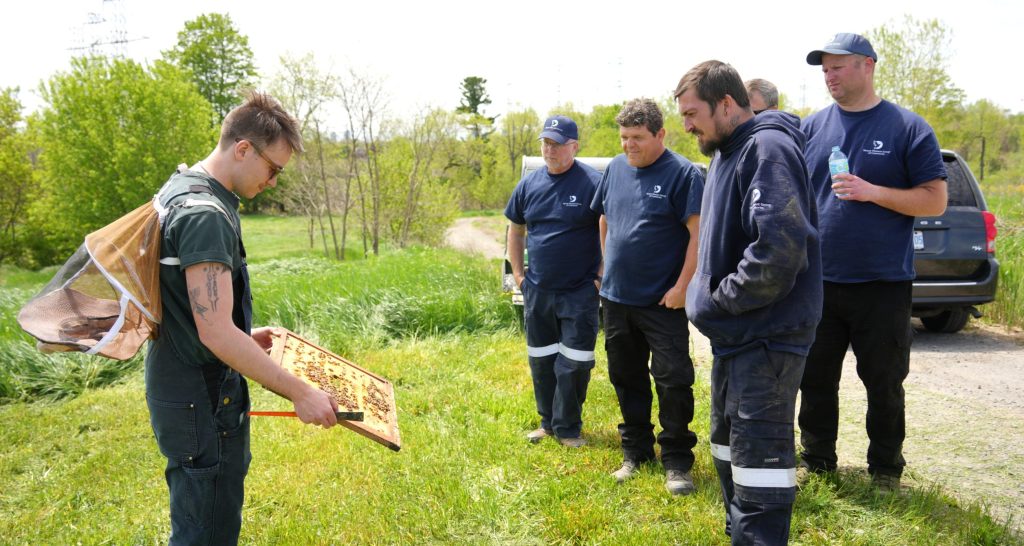
Educating people is the key to the enterprise, Macgregor said.
“Honey bees in particular get people really excited to witness the power of bees and pollinators in a way that some solitary bees and insects don’t. You get to see a colony of thousands, work toward a collective goal. You get to see them up close and hold their frames in your hand witnessing their Queen, worker bees, and developing baby bees intermingle. At the end of the season you get to taste the excess honey that they work so hard to make!”
“My goal is that once you are excited and learning about honey bees, it opens you up to the rest of the ‘hidden’ bee world that flies over our heads and under our noses every day in the warm months. This new-found care for bees hopefully inspires initiatives that help bees and pollinators alike.”
Planting more resources is also important in ensuring the success of the project, Macgregor said.
“Mount Pleasant Group is celebrating their 200th anniversary year and the project is a great way to engage staff on site and other groups as well, in addition to highlighting their incredible natural spaces that the bees work in harmony with.”
Size matters a little in the world of bees and their needs but diversity is important too, he added. Duffin Meadows property has a lot more open space than Meadowvale and Pine Hills but the only real difference is the location of certain flowering plants on the property.
“Pickering might have different forage in bloom in the area than Mississauga or Scarborough but the bees will find all kinds of flowering plants in each area they are situated in.”
Honey yield varies year to year depending on the success of the hive and the blooming cycles throughout the year but Macgregor expects this year’s harvest to be a good one. “The start of this year has been great and I have seen a ton of nectar and pollen coming back to each hive to support their growing populations.”
PollView All
WIN A $100 GIFT CARD
Subscribe to INsauga’s daily email newsletter for a chance to win a $100 Amazon gift card.