
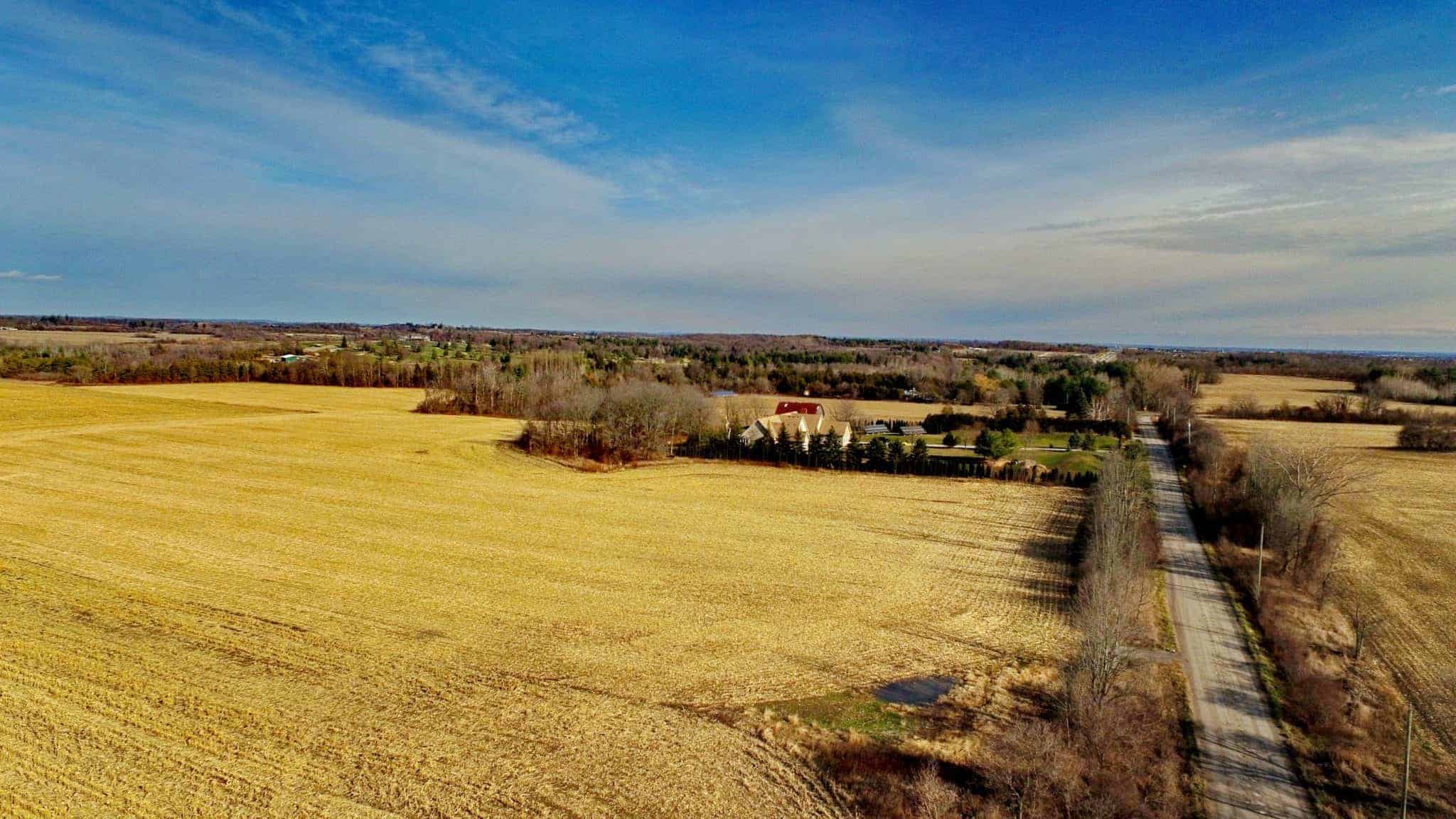
With more the 6,500 acres of the former airport lands reserved for agriculture use within an expanded Rouge National Urban Park, the City of Pickering is hoping it has found the right mix between development and the preservation of rich farmland.
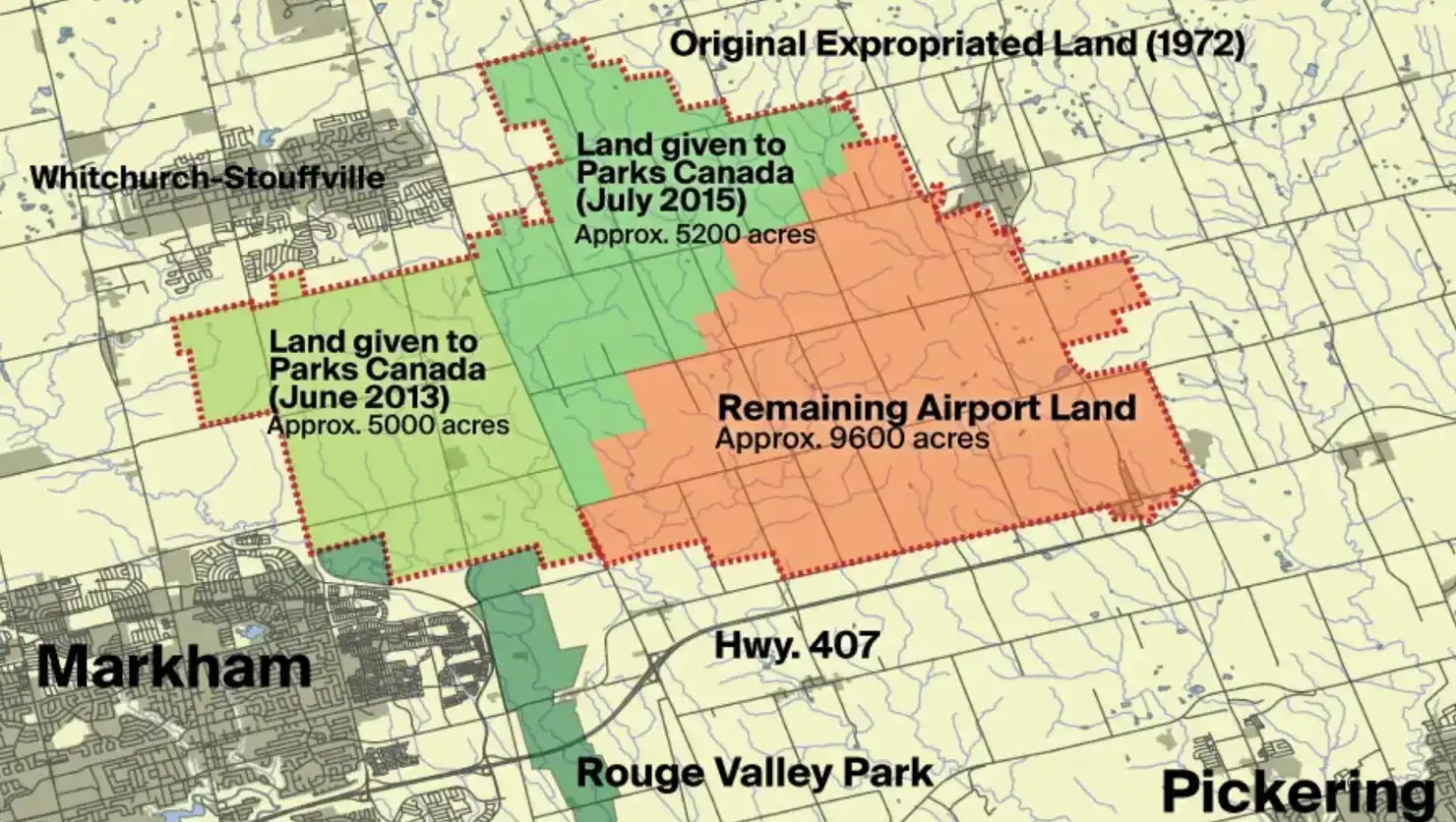
Monday night’s council decision to protect more than 7,500 acres of federal lands in north Pickering, with more than 6,500 acres proposed for agricultural use within an expanded Rouge Park, is an endorsement of the Pickering Federal Lands – Land Use Review and Economic Analysis Recommendation Report, which also recommends that 30-year farming leases be offered to encourage long-term agricultural investment.
With opponents of the plan hoping the entire block of federal lands set aside in 1972 for an airport that never got off the ground would be given to the park, it’s the 1,900 acres reserved for prestige employment uses that has critics of development in north Pickering upset.
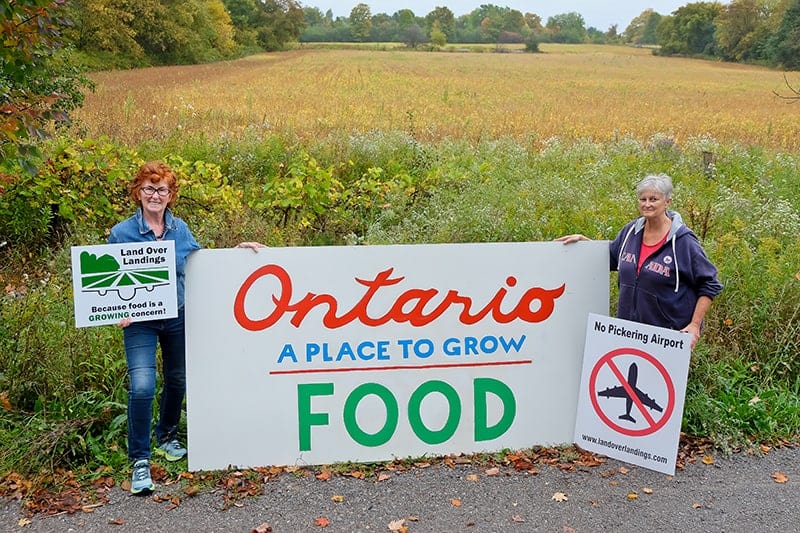
Long-time environmentalist Mike Boriesaid the city’s submission to Transport Canada on future uses of the lands expropriated more than half century ago is “as inaccurate as it is bleak,” contradicts farming organization and environmental group and has an “obvious goal” of paving Class 1 soil for “status quo employment sprawl.”
“No expropriated Crown farmland should be sacrificed for more commercial or industrial development. Durham Region and the GTHA already have plenty of land set aside for such purposes,” he said. “Furthermore, the federal government has a moral duty to deliver a public good here. Commercial and industrial sprawl doesn’t meet that test.”
Pickering Mayor Kevin Ashe, however, believes protecting nearly 80 per cent of the federal lands for agricultural or park use is enough, especially with opening up the rest of the lands for employment use generating a “significant” economic benefit for the city, with an estimated $3.7 billion in investment, $244 million in upfront revenues and $18 million in annual tax revenues.
From a property tax perspective, Ashe noted, that annual $18 million in commercial and industrial tax revenues would effectively reduce property taxes by approximately 17 per cent.
“Equally important, this employment area is expected to generate approximately 16,000 high‑quality jobs for local residents(and) economic development and job creation are powerful antidotes to sprawl.”
By creating commercial investment and employment opportunities close to home, he added, the city can reduce the need for residents to commute to Toronto, Markham, Vaughan, or Mississauga for work, easing congestion on highways and lowering emissions.
“This is a once‑in‑a‑generation opportunity to shape the future of these lands in a way that reflects who we are and where we want to go as a community,” Ashe said. “By protecting the vast majority of the federal lands through the expansion of Rouge National Urban Park while strategically planning for high‑quality employment uses, we are advancing a vision that supports environmental stewardship, strengthens agriculture, and creates thousands of good‑paying jobs close to home. It’s a balanced approach that will reduce sprawl, ease congestion, and give more families the opportunity to build their future right here in Pickering.”
Councillor Lisa Robinson, the lone dissenting vote on the motion, is publicly condemning the decision, as she did with council’s approval of the Northeast Pickering Secondary Plan.
Robinson said submission to Transport Canada represents a “clear shift” toward long-term urban sprawl, infrastructure expansion and development pressure despite “significant” public concern.
“Most of us campaigned on protecting farmland, protecting our environment, and opposing urban sprawl,” said Robinson. “But these votes tell a very different story.”
The Ward 1councillor said residents were never truly given the option many of them actually wanted: an option to preserve the lands, expand Greenbelt and Rouge National Urban Park protections, and leave the lands largely untouched.
“The public was presented with three different versions of expansion, but never a true preservation option,” Robinson stated. “That is not meaningful consultation.”
Robinson also criticized the city for failing to conduct broader public engagement before federal consultation timelines involving Parks Canada and Transport Canada progressed.
“We failed to properly ensure broader resident concerns became part of the official federal record before these recommendations advanced,” she said. “For one of the largest land-use decisions in our city’s history, that should deeply concern every resident.”
During debate, Robinson warned that these approvals would become “stepping stones” for future approvals.
“Once these lands are paved, fragmented, and opened to long-term urbanization pressure, we do not get them back.”
The federal government launched a consultation process to determine the future of what was formerly known as the Pickering airport lands last year, shortly after plans for the airport were officially cancelled in one of Justin Trudeau’s last acts as prime minister.
The City of Pickering then completed its own review to “clearly articulate” it’s priorities. The now‑endorsed report, prepared by SGL Planning & Design Inc., outlined a vision that reflects “extensive” public engagement and aligns with federal priorities such as environmental protection, Rouge National Urban Park expansion, agricultural preservation and economic development.
The plan will be submitted to Ottawa as Pickering’s formal contribution to the federal consultation process. It is the Government of Canada that will decide the future use, management, protection, and long-term direction of these federally-owned lands.
PollView All
WIN A $100 GIFT CARD
Subscribe to INsauga’s daily email newsletter for a chance to win a $100 Amazon gift card.