
Canada has updated travel advisories for Spain, Mexico and other popular destinations.
With summer well underway, anyone planning an international trip should note that Canada routinely updates advisories that can help travellers learn more about their chosen destinations and stay as safe as possible while abroad.
Canada’s Travel Advice and Advisories website is an up-to-date resource for travellers, and the advisories are updated regularly.
Here are five countries with recent updates:
Guatemala
Risks: High levels of crime, roadblocks and demonstrations occur throughout the country, with some regions more heavily impacted than others
Reasons: Travellers are advised to avoid several areas due to high crime rates, including multiple zones within Guatemala City, as well as San Pedro Ayampuc, Villa Canales, San José, Siquinilá and Tiquisate. Border crossings connecting the country with Mexico, El Salvador, Honduras and Belize could also be unsafe.
The advisory notes that a state of prevention is in effect in Guatemala, Petén, Escuintla, Izabal, San Marcos and Huehuetenango. During the state of prevention, security forces have the authority to limit demonstrations and gatherings, establish roadblocks and checkpoints, suspend strikes and limit movement.
The advisory says violent crime is common in the country and can include murder, armed robberies, kidnappings, assaults (including sexual and physical assaults) and carjackings. Petty crime and fraud have also been reported.
The advisory says people seeking adventure travel should exercise caution while hiking, climbing, ziplining and diving.
Chile
Risks: Ongoing demonstrations, civil unrest and crime
Reasons: Demonstrations and strikes occur frequently in Santiago, including at Plaza Italia (also known as Plaza Baquedano), Valparaíso and Concepción. They also occur occasionally elsewhere in the country. They may lead to roadblocks, public transportation disruptions, and confrontations with police, who sometimes use tear gas and/or water cannons.
Armed assaults and robberies have increased in recent years. Tourists have been attacked, even during the daytime. Be particularly careful and avoid walking after dark in areas of Valparaíso, Santiago and Cerro Alegre.
Spain
Risks: Threat of terrorism
Reasons: The advisory notes that there is a threat of terrorism in Europe overall, stating that terrorists have carried out attacks in several European cities.
In Spain, attacks causing deaths and injuries have taken place and further attacks remain possible. Landmarks that could be targeted include government buildings (including schools), places of worship, airports and other transportation hubs and networks, tourist attractions, restaurants, bars, cafes, shopping centres, hotels and other sites frequented by tourists.
The Spanish government maintains a public alert system on terrorism and communicates threat level changes online and through local media.
Mexico
Risks: High levels of criminal activity and kidnapping.
Reasons: The advisory warns Canadians to avoid certain areas due to high levels of violence and organized crime, including parts of cities such as Chiapas, Chihuahua, Colima, Guanajuato, Guerrero, Jalisco, Lagunas de Zempoala National Park in Morelos, Michoacán, Nayarit, Nuevo León, Sinaloa, Sonora, Tamaulipas and Zacatecas.
The advisory says demonstrations are common in Mexico City and can be unpredictable. It is illegal for foreigners to participate in political activities, including protests, in Mexico.
While tourist destinations are generally considered safer, violent crime has been reported at hotels, nightclubs and restaurants frequented by foreigners.
Armed robberies, physical and sexual assaults, kidnappings, break-ins, and carjackings have been reported by tourists.
France
Risks: Threat of terrorism.
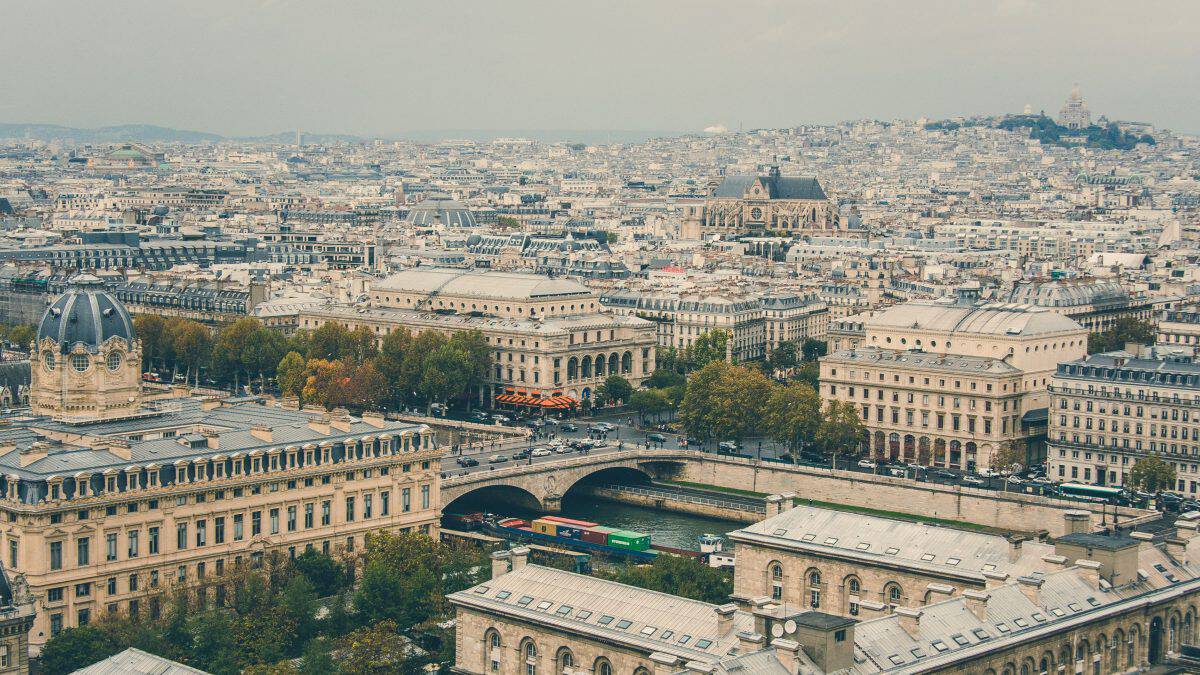
Reasons: France is relatively safe, but the advisory notes that terrorism is a threat throughout Europe and French cities have been the site of attacks.
Targets can include government buildings, schools, places of worship, concert halls, nightclubs, event centres, airports and train stations, restaurants, bars, cafes, shopping centres, markets, hotels and other public places.
People are also advised to be vigilant during sporting events, public celebrations, elections and religious holidays.
The advisory notes that the French government uses a Vigipirate plan that includes a three-level public alert system for terrorism. The current level is at 2, “vigilance renforcée” (“enhanced vigiliance”).
Changes in the threat level are communicated online and through local and national media.
For a complete list of advisories and additional information, see the federal website here.
INsauga's Editorial Standards and PoliciesPollView All
WIN A $100 GIFT CARD
Subscribe to INsauga’s daily email newsletter for a chance to win a $100 Amazon gift card.